

A retrospective study revealed that enfortumab vedotin did not produce excessive toxicity in older patients with urothelial carcinoma.
A retrospective study revealed that enfortumab vedotin did not produce excessive toxicity in older patients with urothelial carcinoma.

Perioperative pembrolizumab sBLA gets priority review in HNSCC, nivolumab/ipilimumab sBLA in MSI-H/dMMR CRC is under review, and more from OncLive this week.

HRQOL results were evaluated in rural patients with bladder cancer and prostate cancer following ADT treatment and postoperative radiotherapy.
Here is your snapshot for all therapeutic options that were approved by the FDA in February 2025 spanning tumor types.

Starting treatment within 60 days of initial evaluation significantly improves survival rates for patients with rectal cancer.
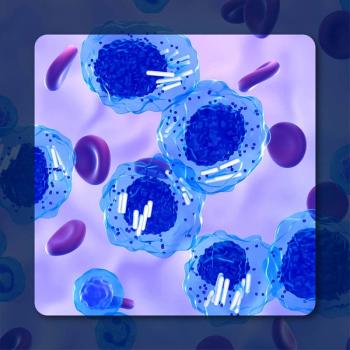
The CHMP has recommend the approval of subcutaneous daratumumab plus VRd for newly diagnosed multiple myeloma.

CHMP has recommended glofitamab plus gemcitabine and oxaliplatin for R/R DLBCL.

The CHMP has recommended the European approval of pirtobrutinib for relapsed/refractory CLL previously treated with a covalent BTK inhibitor.

The CHMP has issued a positive opinion for linvoseltamab in relapsed/refractory multiple myeloma.

The CHMP has recommended the approval of trastuzumab deruxtecan for HER2-low or HER2-ultralow metastatic breast cancer.

Teresa Petrella, MD, MHSc, FRCPC, discusses long-term data that inform the sequencing of immunotherapy and targeted therapies for frontline melanoma.
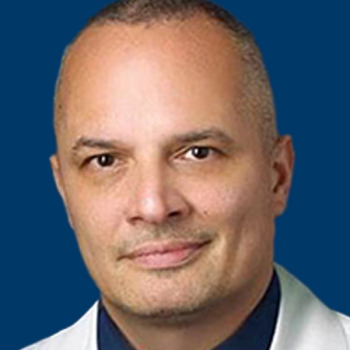
Incorporation of menin inhibitors is central to improving the outcome of difficult-to-treat leukemias.
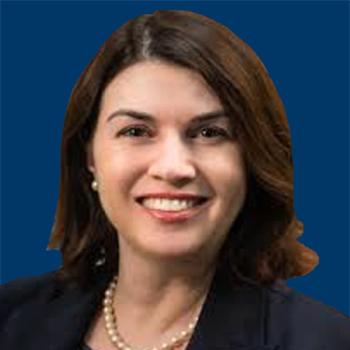
Tracy I. George, MD, discusses testing considerations in indolent systemic mastocytosis, including the role of serum tryptase and KIT D816V testing.
The intravesical therapy nadofaragene firadenovec yielded a 79% 3-month CR rate in patients with CIS with or without papillary disease in a real-world study.

Charles B. Nguyen, MD, provides insight into current challenges faced in the non–clear cell RCC landscape beyond the NCCN’s recent guideline updates.
Multiple myeloma experts offer their perspectives on the evolution of the treatment landscape over the past 10 years and look towards the future of care.
In pilot study, patients saved over an hour of time at every treatment visit.

China’s NMPA has granted priority review to an NDA for neoadjuvant ipilimumab injection plus sintilimab in MSI-H or dMMR colon cancer.

Nirav N. Shah, MD, discusses findings from the phase 2 DALY II USA of zamto-cel in relapsed/refractory DLBCL.

PYX-201 has received fast track designation from the FDA for patients with recurrent or metastatic HNSCC following progression with chemoimmunotherapy.

Bradley Muller, MD, discusses how his experience as a patient with cancer led to him working to improve outcomes for the next generation of patients.

Step-up dosing with etentamig produced responses and low rates of CRS in relapsed/refractory multiple myeloma.
Escalating doses of lymphodepleting chemotherapy with or without rituximab prior to CAR T-cell therapy was safe in relapsed/refractory DLBCL.

The siRNA divesiran was well-tolerated and reduced the number of phlebotomies that were required in patients with polycythemia vera.
Clinicians with years of ADC therapy experience provide insights on the drug class and what is most important to keep in mind when treating patients.
Andrew Kuykendall, MD, discusses the importance of a nuanced, multidisciplinary approach to expedite the diagnosis of indolent systemic mastocytosis.
Alyssa R. Goldbach, DO, is joining Fox Chase Cancer Center as an assistant professor for Breast Imaging in the Department of Diagnostic Imaging.

Camizestrant plus a CDK4/6 inhibitor was safe and effective in frontline ESR1-mutated HR-positive/HER2-negative advanced breast cancer.

The resubmission of a BLA for odronextamab was accepted by the FDA for the treatment of patients with relapsed/refractory follicular lymphoma.

Faculty at Hackensack Meridian School of Medicine developed a novel curriculum to improve medical training through practical, clinic-focused learning.