

The top 5 videos of the week cover insights in lung cancer, multiple myeloma, breast cancer, and follicular lymphoma.
The top 5 videos of the week cover insights in lung cancer, multiple myeloma, breast cancer, and follicular lymphoma.

Pembrolizumab warrants further evaluation in patients with previously treated advanced clear cell gynecologic cancer in a randomized clinical trial.
Encorafenib combination boosts survival in BRAF V600E+ mCRC, pertuzumab biosimilar BLA is under review for HER2+ breast cancer, and more from OncLive.

The combination of cabozantinib and nivolumab showed 16-week disease control in microsatellite stable colorectal cancer.

Polatuzumab vedotin plus R-CHP improved PFS and DFS vs R-CHOP at 5 years in previously untreated patients with diffuse large B-cell lymphoma.

Kevin T. Nead, MD, MPhil, details findings on the association between prevalent CVD and breast cancer and next steps for investigating the connection.
Patients with systemic mastocytosis experienced superior OS and DOT outcomes with first- and later-line avapritinib vs midostaurin and BAT, respectively.

The FDA has granted breakthrough device designation to Serial CTRS for risk prognosis in non–small cell lung cancer.
The combination of seclidemstat and azacitidine will resume study in a phase 1/2 trial in patients with MDS and CMML following a partial clinical hold.

The Canning Thoracic Institute became the highest-volume lung transplant center in the US and achieved the shortest wait time for a lung transplant.

KN026 plus docetaxel elicited durable responses and a manageable safety profile in patients with recurrent/metastatic HER2-positive breast cancer.
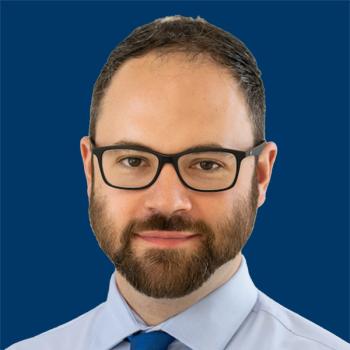
Matthew Cortese, MD, MPH, discusses an evaluation of immunologic changes with the treatment of venetoclax in patients with chronic lymphocytic leukemia.

Envafolimab plus suvemcitug and FOLFIRI demonstrated preliminary activity and tolerability in second-line MSS/pMMR CRC.
Adam Duvall, MD, MPH, spotlights new research further elucidating the role of blinatumomab in the acute lymphoblastic leukemia treatment paradigm.
Alvaro Alencar, MD, discusses the preliminary efficacy and safety of NX-5948, a BTK degrader, in patients with chronic lymphocytic leukemia.

Phase 1 study data demonstrated that ATG-022 has a manageable safety profile and produced activity in patients with gastric cancer and CLDN 18.2 expressions.

Press Release
Yale Medicine was ranked third in the nation for physician practices, an annual designation by Castle Connolly.
The oral menin inhibitor ziftomenib produced responses in patients with relapsed/refractory NPM1-mutant AML.
The FDA has granted orphan drug designation to 225Ac-satoreotide for patients with small cell lung cancer.
A chatbot-based approach was equivalent to SOC pretest cancer genetic services and genetic testing among individuals eligible for cancer genetic testing.
Adding eribulin to trastuzumab/pertuzumab rather than taxane resulted in a numerically longer median time to QOL deterioration and similar efficacy outcomes in HER2+ breast cancer.
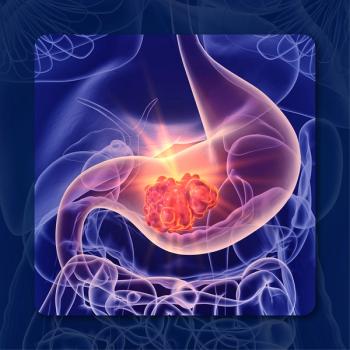
Get the inside scoop from Drs Lou, Patel, and Beg on the top takeaways to come out of the 2025 Gastrointestinal Cancers Symposium.

The FDA granted RMAT designation to gemogenovatucel-T for maintenance treatment after frontline chemotherapy in advanced HRP ovarian cancer.
How Texas Colon & Rectal Specialists enhance outcomes, experiences, and efficiency data-driven care to improve patient outcome.

Leveraging synthetic lethal approaches in lung cancer with new targets and agents may be a promising avenue of investigation.
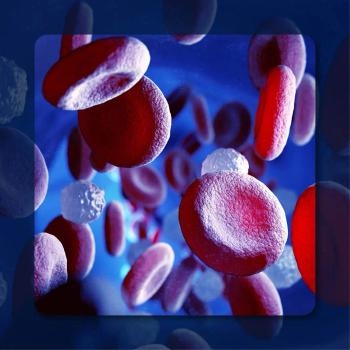
AJ1-11095 is being evaluated in patients with primary myelofibrosis, post-polycythemia vera myelofibrosis, and post-essential thrombocythemia.

The JAK/ROCK inhibitor rovadicitinib may provide a safe and effective new treatment option for patients with myelofibrosis who progressed on ruxolitinib.

The ACR-368 OncoSignature assay has received breakthrough device designation from the FDA for use in endometrial cancer.

The European Commission has approved serplulimab in combination with carboplatin and etoposide for the frontline treatment of adult patients with ES-SCLC.

The model, called EpiBERT, was inspired by BERT, a deep learning model designed to understand and generate human-like language.