
Gabriel Mannis, MD, discusses the observed clinical activity and manageable safety profile of IO-202 combined with azacitidine in CMML.
Gabriel Mannis, MD, discusses the observed clinical activity and manageable safety profile of IO-202 combined with azacitidine in CMML.
Stem cell transplant programs at the Dana-Farber Brigham Cancer Center received outstanding reviews from the CIBMTR.
The EMA’s CHMP has approved isatuximab in combination with VRd for transplant-ineligible patients with newly diagnosed multiple myeloma.
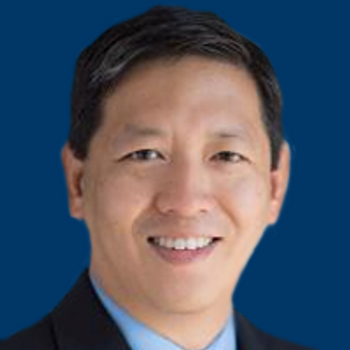
Felix Y. Feng, MD, a radiation oncologist and researcher at UCSF, died of cancer on December 10, 2024, at 48 years old.
The CMS has selected 15 drugs covered under Medicare Part D for the second cycle of the Drug Price Negotiation Program, including enzalutamide, pomalidomide, palbociclib, and acalabrutinib.
Eric Winer, MD, discusses the significance of 2 FDA approvals for HR-positive, HER2-negative breast cancer and emerging novel breast cancer treatments.
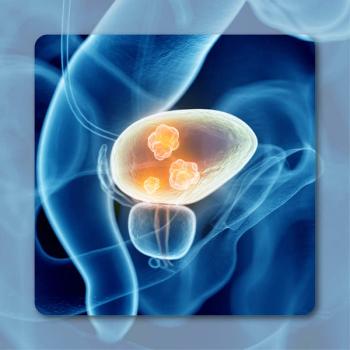
Durable responses with UGN-102 signal its viability as a nonsurgical alternative to TURBT in low-grade, intermediate-risk NMIBC.

Everolimus plus lanreotide demonstrated an improved PFS compared with everolimus monotherapy in gastroenteropancreatic neuroendocrine tumors.

David Rimm, MD, PhD, discusses pathology limitations that have been exacerbated by the current lineup of breast cancer IHC tests.

E. Gabriela Chiorean, MD, FASCO, discusses exciting targeted therapies in the GI space and topics to be discussed at the School of Gastrointestinal Oncology meeting.
Roland Dunbrack, PhD, of the Cancer Signaling and Microenvironment Research Program at Fox Chase Cancer Center, was appointed co-leader of the program.

The FDA granted priority review to the BLA for RP1 plus nivolumab in advanced melanoma following progression on an anti–PD-1 agent.
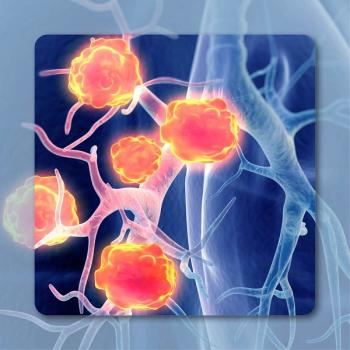
The European Commission approved first-line amivantamab plus lazertinib for EGFR-mutated advanced non–small cell lung cancer.

The 2025 American Cancer Society Annual Report Showed incidence rates are increasing for many cancer types and disparities remain regarding cancer mortality.
The second-line setting for HER2-mutated NSCLC is shifting with TKIs looking to demonstrate efficacy and T-DXd under examination in the frontline now.

The Fortel PSA Screening Test has been approved by the United Arab Emirates MOHAP for the rapid detection of early signs of prostate cancer.

Preliminary data show that AVA6000 led to robust and clinically meaningful tumor shrinkage in patients with salivary gland cancer.

First-line IMM-1-104 plus chemotherapy produced responses and disease control in patients with pancreatic cancer.

Health Canada approved fruquintinib for select patients with metastatic colorectal cancer.
The FDA has granted a breakthrough device designation to the DCISionRT test for patients with breast cancer with ductal carcinoma in situ.

Frontline dostarlimab plus chemotherapy has been approved in the EU for all adult patients with primary advanced or recurrent endometrial cancer.
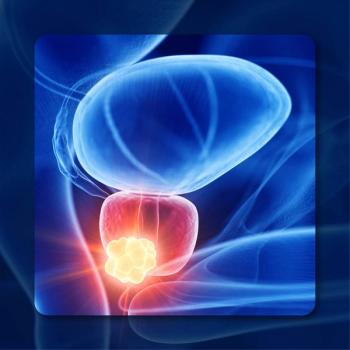
The development of LAVA-1207 for metastatic castration-resistant prostate cancer has been discontinued.

Laboratory research led by Anna Bianchi-Smiraglia, PhD, reveals therapeutic target in metabolic enzyme IMPDH2.
The FDA has granted 510(k) clearance for the Ventana Kappa and Lambda Dual ISH mRNA Probe Cocktail, an assay designed to assist pathologists in diagnosing B-cell lymphoma

ELC-100 has been granted orphan drug designation by the FDA for the treatment of patients with pancreatic neuroendocrine tumors.

Ira Zackon, MD, discusses real-world observational data on bispecific antibody use in community oncology in patients with relapsed/refractory multiple myeloma.

Sotorasib doublet gets approved for KRAS G12C–mutated CRC, acalabrutinib triplet is cleared for previously untreated MCL, and more from OncLive.

The addition of pembrolizumab to preoperative radiation therapy followed by surgery prolonged DFS in patients with soft tissue sarcoma of the extremity.

Treatment with avapritinib was associated with dynamic changes in bone density based on lumbar T-scores among patients with systemic mastocytosis.
Qing Chen, MD, PhD, has joined as a new assistant professor in the Cancer Signaling and Microenvironment Research Program.