

Huntsman Cancer Institute at the University of Utah and Utah Valley University proudly announce a groundbreaking partnership called the “Huntsman Cancer Institute–Utah Valley University Health Collaborative.”
Huntsman Cancer Institute at the University of Utah and Utah Valley University proudly announce a groundbreaking partnership called the “Huntsman Cancer Institute–Utah Valley University Health Collaborative.”
The 2023 ESMO Congress, which is taking place in Madrid, Spain, and will continue to be accessible online via a virtual platform, is gearing up to kick off, and the oncology community is ready to learn more about the latest data across malignancies.

David S. Hong, MD, and David Sommerhalder, MD, discuss the unmet needs for patients with KRAS G12C–mutant non–small cell lung cancer (NSCLC) and colorectal cancer (CRC) that prompted the initiation of the RMC-6291-001 trial; the key efficacy and safety findings with RMC-6291 in patients with NSCLC and CRC; and potential next steps for this agent.
Alison K. Conlin, MD, discusses patient characteristics that drive second-line treatment decisions for patients with HR-positive, HER2-negative metastatic breast cancer; remaining needs for patients with HR-positive, HER2-negative disease; and the evolving role of oral selective estrogen receptor degraders in patients with ESR1-mutated disease.
Cancer patients who receive molecular testing results prior to beginning first-line treatment for metastatic nonsquamous non-small cell lung cancer appear to live longer.

The European Commission has approved brentuximab vedotin in combination with doxorubicin, vinblastine, and dacarbazine for the treatment of adult patients with previously untreated, CD30-positive, stage III Hodgkin lymphoma.
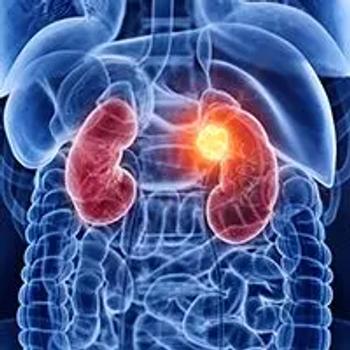
Treatment with subcutaneous nivolumab co-formulated with recombinant human hyaluronidase demonstrated noninferior pharmacokinetics vs intravenous nivolumab in patients with advanced or metastatic clear cell renal cell carcinoma who received prior systemic therapy.
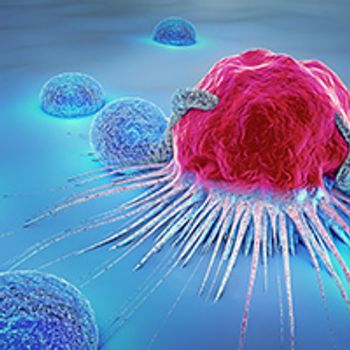
Drug development is a difficult and ever-changing process, with new agents being developed by industry and academic partners.
Anthony M. Hunter, MD, discusses the roles for pacritinib, momelotinib, and fedratinib in patients with myelofibrosis; treatment sequencing with newer-generation JAK inhibitors after ruxolitinib; and the importance of having several treatment options in the second-line setting and beyond.
OncLive® and The Ruesch Center for the Cure of Gastrointestinal Cancers at Georgetown Lombardi Comprehensive Cancer Center in Washington, DC, have announced the winners of the 2023 Luminary Award in GI cancers.
The emergence of a novel class of compounds, known as anitens, potentially offers clinicians the ability to elongate responses for patients with metastatic castration-resistant prostate cancer, with the first-in-class N-terminal domain androgen receptor inhibitor masofaniten showing promise as it moves to the phase 2 portion of a phase 1/2 trial.

Kevin Kayvan Zarrabi, MD, MS, FACP, discusses the emergence of triplet therapy of ADT, AR-targeted therapy, and cytotoxic chemotherapy for patients with mHSPC; highlights key trials that have explored and supported the use of these triplets; and expands on the unanswered questions that remain regarding patient selection and chemotherapy eligibility.

Vivek K. Narayan, MD, MS, spotlights 3 case studies of patients with metastatic prostate cancer, delving into the influence of their unique mutational status on treatment decisions, scenarios in which to utilize PARP inhibitor monotherapy vs combination regimens, and key trials that support the use of each approach.
Press Release
Novel treatments, combination therapies, and personalized medicine headline several studies led by Dana-Farber Cancer Institute and presented for the first time at the European Society of Medical Oncology Congress 2023 in Madrid, Spain.

The novel mRNA biomarkers in the noninvasive ColoAlert® screening test displayed sensitivity and specificity for detecting colorectal cancer and advanced adenomas that could be precursors to CRC.
Expression of DLL3, an inhibitor ligand of the Notch pathway associated with tumorigenesis, has emerged as a target of interest for drug development.
Daniel S. Childs, MD, and colleagues spotlight future innovations in the management of metastatic hormone-sensitive prostate cancer, treatment sequencing for metastatic urothelial carcinoma, and key data with PARP inhibitor combinations in metastatic castration-resistant prostate cancer.
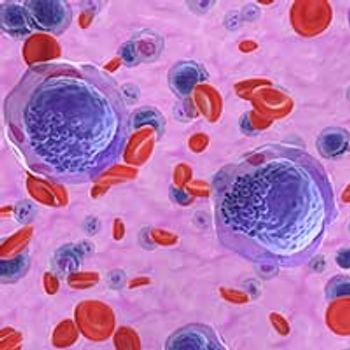
The addition of SLS009 to the combination of venetoclax and azacitidine produced anti-leukemic effects and was safe in patients with relapsed/refractory acute myeloid leukemia who did not respond or stopped responding to venetoclax-based therapies.
Francisco Javier Esteva, MD, PhD, discusses the management of early-stage HER2-positive breast cancer with a focus on de-escalation strategies, emphasizes the ongoing efforts to de-escalate chemotherapy without compromising effective treatments, and expands on the ongoing debate regarding the role of carboplatin in this setting.

Sneha Phadke, DO, MPH, expands on the investigation of trastuzumab deruxtecan as a possible treatment option for patients with HER2-positive breast cancer who have high-risk residual disease following neoadjuvant systemic therapy.

Press Release
A new study led by Yale scientists shows that the activity of a portion of a human papillomavirus protein does not depend on its amino acid sequence or composition.
The European Medicines Agency’s Committee for Medicinal Products for Human Use has adopted a positive opinion regarding the approval of a Type II variation application for rucaparib as a frontline maintenance in patients with advanced ovarian cancer who have responded to first-line, platinum-based chemotherapy, irrespective of BRCA mutational status.

The European Medicines Agency’s Committee for Orphan Medical Products has granted orphan drug designation to LSTA1 for the treatment of patients with pancreatic cancer.

Lubna Chaudhary, MD, MS, discusses how findings from the various DESTINY-Breast trials affected the treatment landscape in HER2-positive breast cancer, the trials’ impact on the treatment arena, the evolving treatment landscape for patients with HER2-positive breast cancer, and the importance of staying updated on new drugs and clinical trials.

The FDA has granted a fast track designation to the dendritic cell vaccine DOC1021 for use as a potential therapeutic option in patients with glioblastoma multiforme.

The FDA has approved pembrolizumab (Keytruda) in combination with platinum-containing chemotherapy as neoadjuvant treatment, and with continuation of pembrolizumab monotherapy as post-surgical adjuvant treatment for patients with resectable non–small cell lung cancer.
Neoadjuvant treatment with intratumoral daromun led to a statistically significant and clinically meaningful improvement in recurrence-free survival compared with surgery alone in patients with locally advanced, fully resectable melanoma, meeting the primary end point of the phase 3 PIVOTAL trial.

Joachim G. J. V. Aerts, MD, PhD, discusses how dendritic cell vaccines could bolster historically poor responses to immunotherapy in patients with mesothelioma, reports and provides potential explanations for negative results from the DENIM trial, and details a potential role for this therapy in earlier lines of mesothelioma treatment.
The Committee for Medicinal Products for Human Use of the European Medicines Agency has recommended the approval of dostarlimab plus chemotherapy for the treatment of adult patients with mismatch repair–deficient/microsatellite instability–high primary advanced or recurrent endometrial cancer.

Press Release
Florida Cancer Specialists & Research Institute, LLC Director of Drug Development Manish Patel, MD is the co-author for two manuscripts published in the New England Journal of Medicine within two months.