
Press Release
An analysis by Yale Cancer Center researchers identified accelerated genetic aging in breast tissue adjacent to breast cancer tumors.
Press Release
An analysis by Yale Cancer Center researchers identified accelerated genetic aging in breast tissue adjacent to breast cancer tumors.
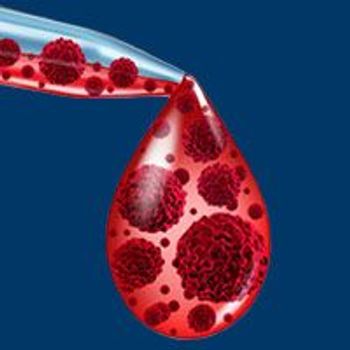
The European Medicines Agency has verified its type II variation application to extend the indication for lisocabtagene maraleucel to include the treatment of adult patients with diffuse large B-cell lymphoma, high grade B-cell lymphoma, primary mediastinal large B-cell lymphoma, and grade 3B follicular lymphoma, who are refractory or have relapsed within 12 months of initial therapy and are candidates for hematopoietic stem cell transplant.
Targetable alterations including BRAF V600E, EGFR exon 20 insertions, KRAS G12C mutations, MET exon 14 alterations, NTRK and RET rearrangements have taken up recent focus for investigators as data are pushing novel agents through the regulatory processes.

Adding talimogene laherparepvec to pembrolizumab led to encouraging responses with a manageable safety profile in patients with advanced melanoma who progressed on prior anti–PD-1 therapy, most notably in the adjuvant setting, according to findings from the phase 2 MASTERKEY-115 trial.

Maurie Markman, MD, offers expert insights on the hurdles facing community oncologists, the uptake of biomarkers in the clinic, and an overview of what to look forward to in his area of expertise: gynecologic oncology.
The addition of cabozantinib to avelumab is under exploration as a maintenance approach in patients with metastatic urothelial cancer following first-line, platinum-based chemotherapy.

The China National Medical Products Administration’s Center for Drug Evaluation granted 2 breakthrough therapy designations to repotrectinib for the treatment of patients with ROS1-positive metastatic non–small cell lung cancer.

The FDA has granted a fast track designation to dianhydrogalactitol for the treatment of patients with newly-diagnosed unmethylated glioblastoma.

Fedratinib was shown to be generally well tolerated in older patients with myelofibrosis who had received at least 3 months of prior ruxolitinib, according to findings from the phase 3b FREEDOM trial.
R. Lor Randall, MD, FACS, discusses the similar benefits offered by radiation and surgery, improved surgical techniques, concerns with morbidity with each approach, and the next steps surgeons and radiation therapists can take to increase patient survival in nonmetastatic pelvic and sacral Ewing carcinoma.
Press Release
Research underscores the need to subdivide Hispanics and other racial and ethnic groups to fully understand actual disparities.
A new drug application seeking the approval of momelotinib for the treatment of patients with myelofibrosis has been submitted to the FDA.
A panel of kidney cancer experts discuss how therapeutic strategies in the neoadjuvant and adjuvant settings are affecting outcomes and how treatment selection in the first line has shifted approaches in the second and later lines of therapy.

Novel combinations with CDK4/6 inhibitors, antibody-drug conjugates, and oral selective estrogen receptor degraders are rapidly changing the treatment paradigm in hormone receptor–positive and HER2-positive breast cancer.

The peptide cancer vaccine onilcamotide failed to show superiority over placebo in terms of preventing progression in patients with prostate cancer and biochemical recurrence following curative-intent therapy, missing the primary end point of the phase 2b BRaVac trial.

Single-agent navitoclax achieved a manageable safety profile compared with navitoclax plus ruxolitinib in patients with myelofibrosis. However, efficacy results, specifically at 24 weeks of treatment, favored the combination over navitoclax monotherapy.
The FDA has granted a fast track designation to PDS0101 for use in combination with pembrolizumab in patients with recurrent or metastatic HPV16-positive head and neck cancer.

Press Release
Investigators from Rutgers Cancer Institute of New Jersey, New Jersey’s only National Cancer Institute-Designated Comprehensive Cancer Center, led a collaborative study to examine the patterns of druggable oncogenic fusions in colon cancer specimens including microsatellite-stable and unstable tumors.
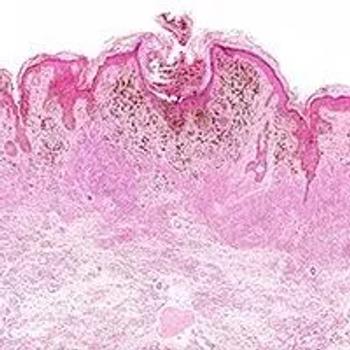
The PD-L1 antibody cosibelimab was found to elicit an encouraging objective response rate in patients with locally advanced cutaneous squamous cell carcinoma who were not eligible to undergo curative surgery or radiation.
Despite a steady decline in incidence and mortality rates of many cancers among older individuals in the United States and other high-income countries, an alarming rise in young-onset gastrointestinal cancers has simultaneously occurred.
New treatment strategies with immunotherapeutic agents are challenging standards of care and prolonging survival in first and later lines of metastatic urothelial carcinoma, metastatic renal cell carcinoma, and metastatic castration-resistant prostate cancer.

The combination of quavonlimab and pembrolizumab was found to be generally well tolerated and to have modest antitumor activity in patients with advanced melanoma that progressed on a PD-1/PD-L1 inhibitor, according to data from a phase 1/2 trial (NCT03179436).

The addition of venetoclax to ibrutinib resulted in a high rate of minimal residual disease negativity in the blood and marrow of patients with previously untreated chronic lymphocytic leukemia.
Duvelisib and oral azacitidine are each being studied in combination with CHOP/CHOEP chemotherapy in patients with previously untreated CD30-negative peripheral T-cell lymphoma in the randomized phase 2 Alliance A059102 trial.

Ripretinib did not result in a significant improvement in progression-free survival over sunitinib in patients with gastrointestinal stromal tumor who were previously treated with imatinib, missing the primary end point of the phase 3 INTRIGUE trial.
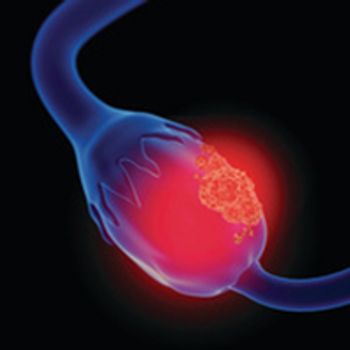
The combination of abemaciclib and fulvestrant led to encouraging responses when used as neoadjuvant therapy which translated to high complete gross resection rates in patients with advanced, low-grade serous ovarian, fallopian tube, and peritoneal carcinoma.

Press Release
The Sidney Kimmel Cancer Center– Jefferson Health has appointed Ana Maria Lopez, MD, MPH, MACP, FRCP, as Associate Director for Diversity, Equity, and Inclusion.

The approval of 2 nivolumab-containing combinations for patients with advanced or metastatic esophageal squamous cell carcinoma have opened the doors for immunotherapy to enter the landscape for this population allowing clinicians options to help patients to meet their individual treatment goals.
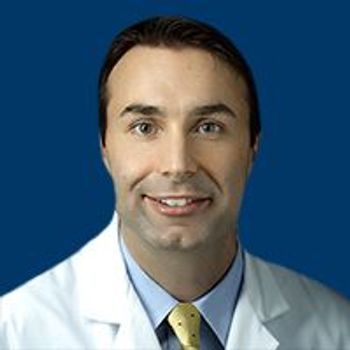
Geoffrey T. Gibney, MD, discusses current treatment options for patients with melanoma, clinical trials that have explored different agents and combinations, and developing treatment options in uveal melanoma.

Apalutamide plus androgen deprivation therapy and radiotherapy was evaluated in patients with high- and very high–risk localized or locally advanced prostate cancer, with RT schedules that are reflective of recommended practice guidelines.