
The time-limited combination of ublituximab and umbralisib plus ibrutinib resulted in an undetectable minimal residual disease rate of 77% in patients with chronic lymphocytic leukemia, according to findings from a phase 2 trial (NCT04016805)
The time-limited combination of ublituximab and umbralisib plus ibrutinib resulted in an undetectable minimal residual disease rate of 77% in patients with chronic lymphocytic leukemia, according to findings from a phase 2 trial (NCT04016805)
Andrew J. Armstrong, MD, discusses the updated results and the clinical implications of the final survival analysis of the ARCHES trial, which he coauthored.
The FDA has issued a complete response letter to the new drug application seeking the approval of surufatinib for the treatment of patients with pancreatic and extra-pancreatic neuroendocrine tumors.
Press Release
Dana-Farber Cancer Institute and the Lifespan Cancer Institute have agreed to renew their strategic alliance to advance cancer treatment and research. Dana-Farber and the Lifespan Cancer Institute signed an initial agreement in 2017.
Maurie Markman, MD, discusses the need for oncologists to improve communication with the public and patients.
Reshma Mahtani, DO, discusses the use of antibody-drug conjugates, tyrosine kinase inhibitors, CDK4/6 inhibitors, and PARP inhibitors across HER2-positive breast cancer, hormone receptor–positive, HER2-negative breast cancer, and triple-negative breast cancer.
Christos Vaklavas, MD, discusses the increasing emphasis on investigating tumor biology in breast cancer, plus the evolving treatment landscapes in HER2-positive breast cancer, hormone receptor–positive, HER2-negative breast cancer, and triple-negative breast cancer.
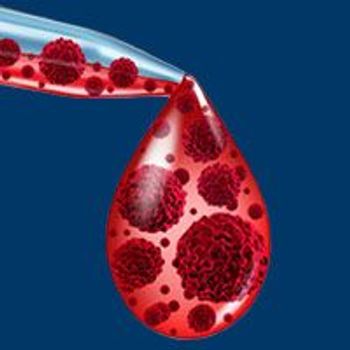
The combination of ceralasertib and acalabrutinib showed preliminary clinical activity with acceptable tolerability in patients with high-risk, relapsed/refractory chronic lymphocytic leukemia.

The National Comprehensive Cancer Network has released new guidelines for ampullary adenocarcinoma, a disease accounting for just 0.2% of all gastrointestinal malignancies.

Adjuvant capecitabine continues to demonstrate an improvement in overall survival compared with observation following curative-intent resection in patients with biliary tract cancer.

Press Release
Renowned robotic urologic oncology surgeon Dipen J. Parekh, MD, was the first in the nation to test a new preoperative surgical rehearsal technology recently approved by the FDA for all genitourinary conditions.

The European Commission has granted an approval to the combination of pembrolizumab and chemotherapy, with or without bevacizumab, for the treatment of adult patients with persistent, recurrent or metastatic cervical cancer whose tumors have a PD-L1 combined positive score of 1 or higher.
The European Commission has granted an approval to pembrolizumab for the treatment of patients with select microsatellite instability–high or deficient mismatch repair solid tumors.

The National Comprehensive Cancer Network is advising individuals who are immunocompromised, including those with cancer, to receive a fifth COVID-19 vaccination.
The administration of a third dose of a SARS-CoV-2 mRNA vaccine yielded seroconversion responses in patients treated with hematopoietic cell transplantation or cellular therapy following initial failure of seroconversion after the first 2 vaccine doses.
As cancer care continues to shift away from a fee-for-service model to a value-based care model, clinicians and institutions will need to be adaptable and innovative to build effective community oncology practices of the future.
New data ranging from up-front approaches with targeted therapy to maintenance therapy, as well as emerging findings with novel agents continue to push the paradigm forward in acute myeloid leukemia and higher-risk myelodysplastic syndromes.
An investigative follicle-stimulating hormone receptor–mediated CAR T-cell technology is under exploration in patients with recurrent ovarian cancer.
Treatment with the androgen-receptor inhibitor enzalutamide plus androgen deprivation therapy led to significant survival benefits in patients with metastatic hormone-sensitive prostate cancer.

The FDA has accepted for filing the new drug application resubmission for a unique formulation of sodium thiosulfate for the prevention of platinum-induced ototoxicity in patients between the ages of 1 month and 18 years who have localized, nonmetastatic, solid tumors.
Press Release
The University of Texas MD Anderson Cancer Center was awarded more than $10 million in grants to support collaborative research teams working to advance novel interception and treatment strategies that will improve outcomes for several cancer types with the greatest unmet need.
Novel strategies to modulate the microbiota are now an area of robust investigation
Consolidation therapy with durvalumab and either oleclumab or monalizumab showed increased clinical benefits in patients with unresectable stage III non–small cell lung cancer.
The combination of JSP191, fludarabine, and low-dose total body irradiation demonstrated facilitation of full donor myeloid chimerism, clearance of minimal residual disease, and a tolerable safety profile in patients with myelodysplastic syndrome or acute myeloid leukemia.
The combination of tislelizumab and chemotherapy resulted in a significant improvement in overall survival compared with chemotherapy alone in patients with locally advanced, recurrent or metastatic esophageal squamous cell carcinoma, irrespective of PD-L1 expression.
The FDA has granted a fast track designation to VB-111, a targeted anticancer viral gene therapy, for use as a potential therapeutic option in patients with platinum-resistant ovarian cancer.
The FDA has granted a breakthrough therapy designation to trastuzumab deruxtecan for the treatment of adult patients with unresectable or metastatic HER2-low breast cancer who have received a prior systemic therapy in the metastatic setting or developed disease recurrence during or within 6 months of completing adjuvant chemotherapy.
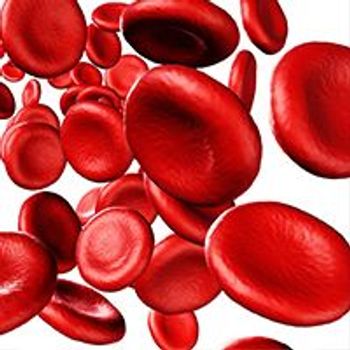
Administration of the SARS-CoV-2 vaccine resulted in heterogeneous immune response in patients with chronic graft-vs-host disease (cGVHD), further highlighting concerns about protection against infection or severe COVID-19 disease in this population
Jun Zhang, MD, PhD, discusses key clinical trials utilizing immunotherapy in non–small cell lung cancer, the continued importance of biomarker testing to help inform treatment decisions, and targeted therapies for EGFR, MET, and ALK mutations.

Lung cancer remains the most common cause of cancer death in the United States.