
The PD-1 inhibitor cemiplimab significantly improved overall survival as a frontline treatment for patients with high–PD-L1 non–small cell lung cancer.
The PD-1 inhibitor cemiplimab significantly improved overall survival as a frontline treatment for patients with high–PD-L1 non–small cell lung cancer.
Gilberto De Lima Lopes, MD, discusses the impact of COVID-19 on his practice and how he is coping with the changes caused by the pandemic.

John A. Abraham, MD, FACS, discusses the role of surgery in the treatment of tenosynovial giant cell tumor, key challenges faced in this space, and the emergence of pexidartinib.
The PD-1 inhibitor dostarlimab demonstrated clinically meaningful activity in patients with mismatch repair–deficient endometrial cancer.

The American Society of Clinical Oncology recognized four Dana-Farber Cancer Institute researchers as winners of ASCO's Special Awards, the Society’s highest honors.
The National Medical Products Administration of China has accepted an application for the PD-1 inhibitor sintilimab injection for use in combination with pemetrexed and platinum-based chemotherapy for the frontline treatment of patients with nonsquamous non–small cell lung cancer.

Emmanuel S. Antonarakis, MBBCh, discusses the efficacy of radium-223 plus sipuleucel-T in patients with bone-metastatic castration-resistant prostate cancer and the next steps for research for this combination.

Aakash Desai, MD, MPH. provides additional insight into his research on COVID-19 risk and patients with cancer and sheds light on how institutions are taking action against the virus.

Olaparib improved overall survival in previously treated patients with metastatic castration-resistant prostate cancer harboring homologous recombination repair gene mutations.

Christopher A. Yasenchak, MD, discusses findings from the phase 2 trial with brentuximab vedotin and nivolumab in patients with newly diagnosed classical Hodgkin lymphoma.
The China National Medical Products Administration has accepted a new drug application for avapritinib for 2 indications in gastrointestinal stromal tumors.

Global access to neratinib has increased with the drug now being made commercially available in Singapore.

Christopher E. Dandoy, MD, MSc, discusses the clinical features of TA-TMA and the importance of close monitoring and intervention for patients at risk of developing the disorder.
Supplemental biologics license applications have been resubmitted to the FDA for pembrolizumab to include an every-6-weeks option at 400 mg over 30-minute infusions across multiple indications.
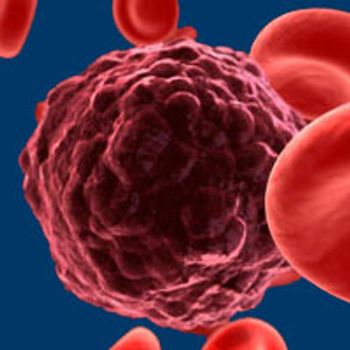
The REACH2 ruxolitinib acute graft-versus-host disease data have been published in the New England Journal of Medicine.
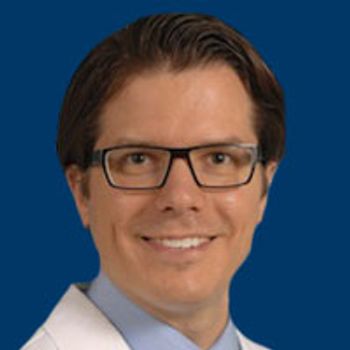
Mark A. Schroeder, MD, discusses emerging therapeutic strategies for patients with acute GVHD.

Nina Shah, MD, highlights some of the recent advances that have been made with CAR T-cell therapy in multiple myeloma, as well as other exciting updates in the space.
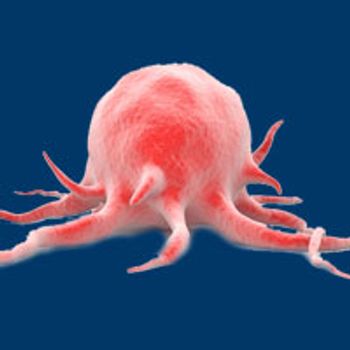
The United Kingdom’s National Institute for Health and Care Excellence has recommended larotrectinib for the treatment of adult and pediatric patients with advanced NTRK fusion–positive solid tumors.

Bob Valamehr, PhD, discusses the process by which a targeted CAR natural-killer cell product is engineered as well as how it will be examined in future research efforts.
Rana R. McKay, MD, discusses the results of the real-world analysis with radium-223 and other exciting research in the mCRPC field.
The FDA has granted an accelerated approval to the antibody-drug conjugate sacituzumab govitecan-hziy (Trodelvy) for the treatment of adult patients with metastatic triple-negative breast cancer.

Allyson Ocean, MD, explains how the outbreak has impacted treatment plans for patients, and sheds light on the work being done to develop a treatment and/or vaccine for the virus.
Two Roswell Park Comprehensive Cancer Center physicians are expanding their leadership roles across the United States and abroad with recent appointments in their respective fields of specialty.
The FDA has granted a Regenerative Medicine Advanced Therapy designation to tisagenlecleucel for the treatment of patients with relapsed/refractory follicular lymphoma.
The FDA has approved an expanded indication of ibrutinib for use in combination with rituximab for the frontline treatment of adult patients with chronic lymphocytic leukemia or small lymphocytic lymphoma.
The China National Medical Products Administration has accepted a supplemental new drug application for the PD-1 inhibitor tislelizumab for use in combination with chemotherapy for the first-line treatment of patients with advanced squamous non–small cell lung cancer.
The cobas HPV test for cervical cancer screening is now FDA-approved for use on the high-throughput cobas 6800/8800 Systems.
A New Drug Application has been submitted to the FDA for single-agent relugolix for use as a treatment for men with advanced prostate cancer.
The use of circulating tumor DNA via baseline tumor tissue or rebiopsy led to the identification of several MET mutations previously unidentified upon progression on savolitinib in patients with gastric cancer, as well as MET amplifications as drivers of resistance to the agent during monotherapy treatment of those with MET-amplified disease.
The FDA has approved FoundationOne CDx as the registrational companion diagnostic for pemigatinib, which the agency recently approved for the treatment of adult patients with previously treated, unresectable locally advanced or metastatic FGFR2+ cholangiocarcinoma.