
Jeffrey M. Clarke, MD, discusses the optimal targeted therapies for the frontline treatment of patients with EGFR-positive NSCLC and sequencing beyond progression.
Jeffrey M. Clarke, MD, discusses the optimal targeted therapies for the frontline treatment of patients with EGFR-positive NSCLC and sequencing beyond progression.

The FDA has approved ABP 980 (Kanjinti; trastuzumab-anns), a trastuzumab biosimilar, for the treatment of patients with HER2-overexpressing breast cancer as well as HER2-overexpressing metastatic gastric or gastroesophageal junction adenocarcinoma, marking the fifth approval by the agency for a trastuzumab biosimilar.
Neal E. Ready, MD, PhD, highlights recent advances that have been made in the treatment of small cell lung cancer, the promise of immunotherapy, and opportunities to improve patient care.
Christopher Lieu, MD, highlights updates on biomarker-directed therapy with colorectal cancer and ongoing research being done with immunotherapy.

Rutika Mehta, MD, MPH, provides insight on the ongoing study combining TAS-102 with ramucirumab in the treatment of patients with advanced gastric/GEJ cancer.
Nelson Jen An Chao, MD, discusses current understandings of minimal residual disease and the therapies that have helped promulgate its utility in acute lymphoblastic leukemia.

Wells A. Messersmith, MD, discusses the evolving standards of care in colorectal cancer and the importance of molecular testing in guiding treatment decisions.
Toni Choueiri, MD, discusses the biomarker analysis results from JAVELIN Renal 101 and provided insight on where the renal cell carcinoma field stands following pivotal data presented at the 2019 ASCO Annual Meeting.
The FDA has approved pembrolizumab (Keytruda) for the first-line treatment of patients with metastatic or unresectable recurrent head and neck squamous cell carcinoma as monotherapy whose tumors express PD-L1 (composite positive score [CPS] ≥1) and also in combination with platinum and fluorouracil (FU) for this patient population, irrespective of PD-L1 expression.
The FDA has granted an accelerated approval to polatuzumab vedotin (Polivy) for use in combination with bendamustine and rituximab for the treatment of patients with relapsed/refractory diffuse large B-cell lymphoma.
Mihaela C. Cristea, MD, emphasizes the use of molecular testing over tumor testing in ovarian cancer.
Ahmed Galal, MD, sheds light on the current use of CAR T-cell therapy in relapsed/refractory lymphomas and a handful of strategies to expand the reach of this therapy.
Thanh H. Dellinger, MD, provides insight on the treatment of patients with newly diagnosed advanced ovarian cancer.
Thomas W. LeBlanc, MD, shares advice for community oncologists on to how to better navigate the complex treatment paradigm of acute myeloid leukemia.
S. Lindsey Davis, MD, highlights the latest immunotherapy developments and other advances in gastric and gastroesophageal junction cancers.
The fixed-dose combination of cedazuridine and decitabine demonstrated decitabine exposure equivalence of total 5-day dosing compared with intravenous decitabine in patients with intermediate- and high-risk myelodysplastic syndromes or chronic myelomonocytic leukemia, meeting the primary endpoint of the phase III ASCERTAIN trial.
Brigatinib demonstrated promising response rates in patients with ALK-positive non–small cell lung cancer who have progressed on treatment with another next-generation ALK TKI, according to preliminary phase II results presented at the 2019 ASCO Annual Meeting.
Yubin Kang, MD, discusses how progress made in frontline therapy has impacted the outlook of multiple myeloma and the remaining work that needs to be done across settings.
Mihaela C. Cristea, MD, discusses the impact of the SOLO-1 trial on current approaches to frontline maintenance therapy as well as the trials that are underway with niraparib, rucaparib, and the investigational PARP inhibitor veliparib.
Lindsay A.M. Rein, MD, discusses the current state of TKI discontinuation in patients with chronic myeloid leukemia.

The combination of acalabrutinib (Calquence) and obinutuzumab (Gazyva) demonstrated a statistically significant and clinically meaningful improvement in progression-free survival compared with obinutuzumab/chlorambucil in patients with previously untreated chronic lymphocytic leukemia, meeting the primary endpoint of the phase III ELEVATE-TN trial.
Ixazomib in combination with dexamethasone did not demonstrate a significant improvement in overall hematologic response compared with standard therapy in patients with relapsed/refractory systemic light-chain amyloidosis, missing one of two primary endpoints in the phase III TOURMALINE-AL1 trial and leading to discontinuation of the study.
Carlos Manuel de Castro III, MD, highlights current treatment approaches for severe aplastic anemia and some of the unmet needs that still exist.
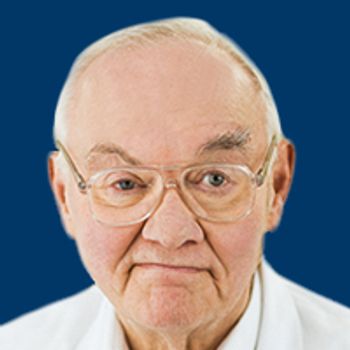
Henry T. Lynch, MD, the Charles F. and Mary C. Heider Endowed Chair in Cancer Research at Creighton University and a 2019 Giants of Cancer Care® award winner known by many as the “father of cancer genetics,” died June 2 at the age of 91.
The FDA has granted momelotinib a fast track designation for use as a treatment of patients with intermediate- or high-risk myelofibrosis who previously received a JAK inhibitor.
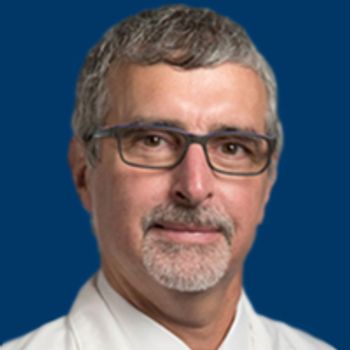
Harry P. Erba, MD, PhD, provides insight into how to navigate through the targeted therapies available in the treatment of acute myeloid leukemia and discussed the work that lies ahead in this space.

The FDA has accepted a biologics license application for the investigational erythroid maturation agent luspatercept for the treatment of adult patients with very low- to intermediate-risk myelodysplastic syndromes-associated anemia who have ring sideroblasts and require red blood cell (RBC) transfusions, as well as for adult patients with beta-thalassemia-associated anemia who require RBC transfusions.
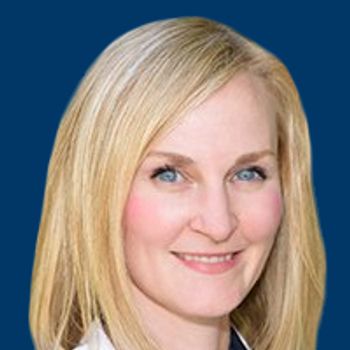
Daphne B. Stewart, MD, discusses the progress that has been made with immunotherapy in ovarian cancer, provides insight into the focus on combination therapy with checkpoint inhibitors, and explains the impact of negative trials on the field.
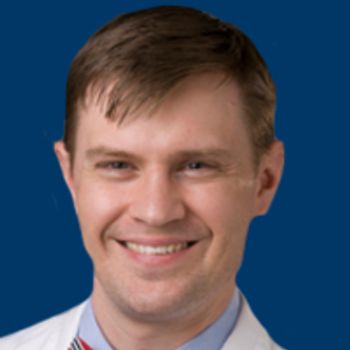
Matthew S. McKinney, MD, discusses exciting treatment advances made in Hodgkin and non-Hodgkin lymphoma, specifically the compelling research in follicular lymphoma and mantle cell lymphoma.
The FDA has granted a priority review designation to a supplemental biologics license application for daratumumab in combination with bortezomib, thalidomide, and dexamethasone for the treatment of patients with newly diagnosed multiple myeloma who are eligible for autologous stem cell transplant.