
Gottfried E. Konecny, MD, shares the known aspects of PARP inhibition in recurrent ovarian cancer.
Gottfried E. Konecny, MD, shares the known aspects of PARP inhibition in recurrent ovarian cancer.

The FDA has approved the PI3K inhibitor alpelisib (Piqray) for the treatment of postmenopausal women, and men, with HR-positive, HER2-negative, PIK3CA-mutated, advanced or metastatic breast cancer following progression on or after an endocrine-based regimen.
The FDA has approved ruxolitinib for the treatment of adult and pediatric patients ≥12 years of age with steroid-refractory acute graft-versus-host disease.

Mark M. Zalupski, MD, sheds light on the current treatment landscape of advanced gastric cancer and the numerous challenges that remain.
The FDA has granted a breakthrough therapy designation to the tumor-infiltrating lymphocyte therapy LN-145 for the treatment of patients with recurrent, metastatic, or persistent cervical cancer with disease progression on or after chemotherapy.

Ernest S. Han, MD, PhD, FACOG, discusses the role of HIPEC in advanced ovarian cancer at the time of interval debulking, as well as anticipated research examining its use at time of primary debulking.
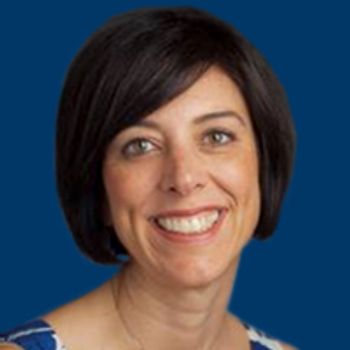
Ann S. LaCasce, MD, MMSc, highlights recent progress made in MCL, exciting approaches under investigation, and provides insight into where future research should focus.
The FDA has approved the NovoTTF-100L System in combination with pemetrexed and platinum-based chemotherapy for the frontline treatment of patients with unresectable, locally advanced or metastatic malignant pleural mesothelioma.

Myung-Ju Ahn, MD, discusses the results from the AURA LM trial and the next steps that need to be taken in order to confirm the efficacy that was seen with the lower dose of osimertinib in patients with EGFR-mutant non–small cell lung cancer with leptomeningeal metastases.
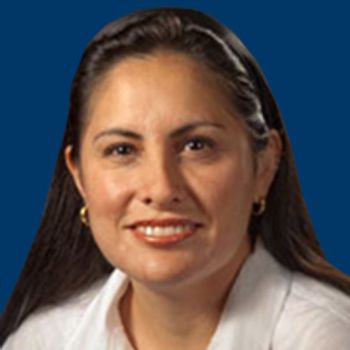
Jacqueline C. Barrientos, MD, MS, highlights emerging agents in the post-ibrutinib landscape and overall next steps for advancing the field of CLL.

Sai-Hong I. Ou, MD, PhD, discusses the status of different mutations in lung cancer and the work being done to bring clinically meaningful treatments to the space.

Geoffrey Oxnard, MD, discusses testing error underlying liquid biopsy discordance, steps clinicians can take to optimize liquid biopsy, and where he sees this evolving in the treatment landscape for patients with cancer.
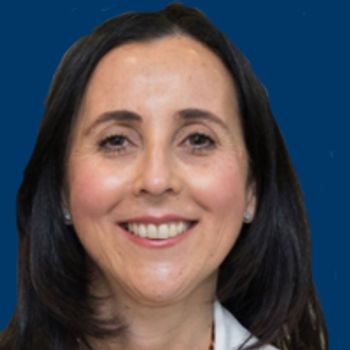
Ana Oaknin, MD, provides insight into the implications of the GARNET trial and the promise of dostarlimab in endometrial cancer.
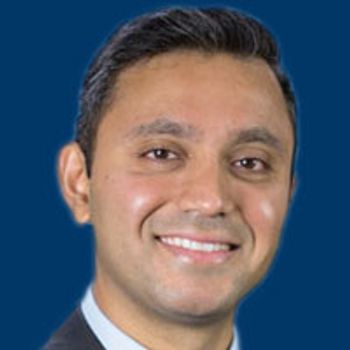
Arjun V. Balar, MD, highlights the KEYNOTE-057 study findings and provided insight into the role of immunotherapy in bladder cancer.
Sai-Hong I. Ou, MD, highlights the conveniences of liquid biopsies relative to tissue biopsies, as well as current drawbacks to their use in detecting targetable alterations in lung cancer.

The use of immunotherapy in cancer was solidified by the ample activity seen in patients with melanoma.

Gazala N. Khan, MD, highlights the recent headway made in hepatocellular carcinoma and discusses the remaining challenges.

The University of Texas MD Anderson Cancer Center named David Jaffray, PhD, as its first-ever chief technology and digital officer.

Lyudmila A. Bazhenova, MD, discusses the phase III PACIFIC trial and clinical scenarios that warrant further investigation in the field of stage III non–small cell lung cancer.
The triplet regimen of encorafenib, binimetinib, and cetuximab led to a 48% reduction in the risk of death compared with cetuximab and irinotecan-containing regimens in patients with BRAF V600E-mutant metastatic colorectal cancer who previously received up to 2 lines of therapy, meeting both primary endpoints of the phase III BEACON CRC trial.

Bing Xia, MD, discusses the latest immunotherapy developments in nonsquamous non–small cell lung cancer, as well as sequencing strategies for patients with ALK-positive disease.

Nicolas Girad, MD, discusses the importance of evaluating durvalumab in a real-world setting, other questions that remain unanswered in this area, and the role of immunotherapy in patients with non–small cell lung cancer.

Single-agent pembrolizumab (Keytruda) did not meet a prespecified endpoint of superior overall survival compared with chemotherapy as a second- or third-line treatment for patients with metastatic triple-negative breast cancer, missing the primary endpoint of the phase III KEYNOTE-119 trial.
Emil Cohen, MD, discusses the locoregional therapies available for the treatment of patients with hepatocellular carcinoma and offers insight into optimal strategies.
Antonio Passaro, MD, PhD, discusses findings from a phase IIIb trial for patients with EGFR mutation-positive non–small cell lung cancer and discussed results from other studies investigating ALK and KRAS mutations in patients with NSCLC.

Vaibhav Sahai, MBBS, sheds light on ongoing research in metastatic pancreatic cancer and discusses the role of genomic profiling in the space.
Preclinical data suggest that the small molecule IACS-10759, which targets the oxidative phosphorylation (OXPHOS) and glutaminolysis pathways, may play a critical role in overcoming resistance to ibrutinib (Imbruvica) in mantle cell lymphoma.
Danielle M. Brander, MD, discusses the investigational combination treatments that are bringing patients with chronic lymphocytic leukemia one step closer to well-tolerated, time-limited therapy.

Philip A. Philip, MD, PhD, FRCP, discusses recent studies that have impacted locally advanced pancreatic cancer treatment and shared key updates in the neuroendocrine tumors paradigm.

Viola W. Zhu, MD, PhD, explains how the use of immunotherapy has improved survival for patients with advanced squamous cell non–small cell lung cancer.