Mark Widmann, MD, discusses the role of surgery in the treatment of patients with early-stage lung cancer.
Mark Widmann, MD, discusses the role of surgery in the treatment of patients with early-stage lung cancer.
Brian T. Hill, MD, PhD, discusses recent advances and regulatory decisions in the treatment of patients with chronic lymphocytic leukemia.

Darolutamide significantly improved metastasis-free survival versus placebo in patients with nonmetastatic castration-resistant prostate cancer enrolled in the phase III ARAMIS trial.

Hossein Borghaei, DO, MS, discusses immunotherapy selection for the treatment of patients with non–small cell lung cancer.

An interim analysis of an ongoing single-arm open-label phase II study showed encouraging antitumor activity with pembrolizumab (Keytruda) in patients with high-risk nonmuscle invasive bladder cancer that is unresponsive to Bacillus Calmette-Guérin.
The poor long-term survival outcomes for patients with advanced renal cell carcinoma have prompted intensive clinical research aimed at developing novel therapeutic options addressing unmet needs.

Hope S. Rugo, MD, discusses an analysis of trastuzumab biosimilars in breast cancer.

Hetty Carraway, MD, highlights ongoing genomic research in acute myeloid leukemia, as well as recent therapeutic advances in the field.

Michael A. Caligiuri, MD, president of City of Hope National Medical Center, and Deana and Steve Campbell Physician-in-Chief Distinguished Chair, has been elected to the National Academy of Medicine, one of the highest honors in the fields of health and medicine.

Josep M. Llovet, MD, PhD, discusses the rapidly evolving treatment landscape for hepatocellular carcinoma and the work that lies ahead.
Ramsey N. Asmar, MD, discusses recent advances and next steps in small cell lung cancer.
Deborah A. Bradley, MD, discusses how recent clinical trials have impacted patients with nonmetastatic castration-resistant prostate cancer and what the future holds for them.
Sarah K. Tasian, MD, discusses the diagnostic and therapeutic approaches to treating patients with pediatric Philadelphia-like acute lymphoblastic leukemia.
The FDA has added 3 months to the review period for the combination of nivolumab plus low-dose ipilimumab for the frontline treatment of patients with advanced non–small cell lung cancer with tumor mutational burden ≥10 mutations per megabase.

Diana L. Hanna, MD, discusses the past, present, and future of treatment for patients with metastatic pancreatic cancer.

Igor Puzanov, MD, MSCI, FACP, discusses the current and potential future utility of talimogene laherparepvec (T-VEC; Imlygic) in patients with advanced-stage melanoma.
Leonard G. Gomella, MD, professor, chair, Department of Urology, director, Sidney Kimmel Cancer Center, Thomas Jefferson University Hospital, discusses the shifting landscape of nonmetastastic CRPC, along with other developments across the prostate cancer paradigm.

Ruth O’Regan, MD, discusses the excitement with biosimilars and the potential impact they could have on the US drug market.
Combining the PD-1 inhibitor pembrolizumab with the VEGF inhibitor axitinib significantly improved survival versus sunitinib as a first-line treatment for patients with advanced or metastatic renal cell carcinoma.

Vivian G. Oehler, MD, discusses the diagnosis, risk prognostication and therapeutic strategies for polycythemia vera, essential thrombocytopenia, and myelofibrosis.
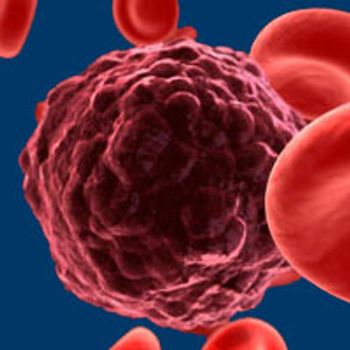
A new drug application has been submitted to Japan's Ministry of Health, Labor and Welfare for quizartinib for the treatment of adult patients with FLT3-ITD–positive acute myeloid leukemia.
The FDA has granted a priority designation to a supplemental new drug application for ibrutinib for use in combination with obinutuzumab for the frontline treatment of adult patients with chronic lymphocytic leukemia or small lymphocytic lymphoma.

The FDA has granted olaparib an orphan drug designation for the treatment of patients with pancreatic cancer.
The FDA has approved talazoparib (Talzenna) for patients with deleterious or suspected deleterious germline BRCA-mutated, HER2-negative locally advanced or metastatic breast cancer.

Ado-trastuzumab emtansine (T-DM1; Kadcyla) was found to significantly reduce the risk of disease recurrence or death compared with trastuzumab (Herceptin) as an adjuvant treatment in patients with HER2-positive early breast cancer who have residual disease following neoadjuvant therapy.
The FDA has granted LOXO-292 a breakthrough therapy designation for the treatment of patients with advanced RET fusion–positive thyroid cancer who require systemic therapy, have progressed on prior treatment, and have no other acceptable alternative treatment options.

A. Jo Chien, MD, discusses emerging agents and other developments in HER2-positive breast cancer.

Single-agent nivolumab (Opdivo) did not improve overall survival compared with standard topotecan or amrubicin, where approved, in patients with small cell lung cancer who relapsed following platinum-based chemotherapy.
Gilberto Lopes, MD, discusses the KEYNOTE-042 results and ongoing developments with immunotherapy in NSCLC.
Mary-Beth Percival, MD, discusses the ongoing development of FLT3 inhibitors and other current research in patients with AML.