Sandy Wong, MD, discusses emerging agents being explored for the treatment of patients with multiple myeloma in late relapse.
Sandy Wong, MD, discusses emerging agents being explored for the treatment of patients with multiple myeloma in late relapse.
Laura J. Esserman, MD, MBA, discusses the goals of the I-SPY trials and their impact thus far on patients with high-risk early breast cancer.

The FDA’s Oncologic Drugs Advisory Committee voted 16-0 recommending approval of the rituximab biosimilar CT-P10 for 3 non-Hodgkin lymphoma indications.
Hope S. Rugo, MD, discusses the highly anticipated studies of immunotherapy in triple-negative breast cancer and where the class of agents optimally fits in the landscape.
Michael Green, MD, discusses treatment strategies following early relapse in multiple myeloma.

Within the last decade, the FDA has approved 8 new agents for the treatment of patients with chronic lymphocytic leukemia.

Nina Shah, MD, discusses the present and future of chimeric antigen receptor T-cell therapy in myeloma.

Chaitra S. Ujjani, MD, discusses the latest progress in both Hodgkin lymphoma and mantle cell lymphoma.
Brian Till, MD, discusses the rapidly evolving field of chimeric antigen receptor (CAR) T cells.
Among new advances in multiple myeloma, high-dose chemotherapy and allogeneic stem cell transplant remain the go-to frontline treatment for patients with newly diagnosed multiple myeloma.
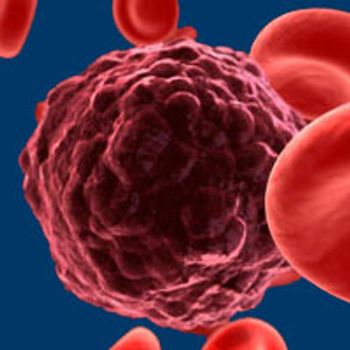
Mazyar Shadman, MD, MPH, discusses the evolution of therapy in CLL and how physicians are working to balance novel agents with additional modalities.
The HPV vaccine Gardasil 9 is now approved by the FDA for use in males and females aged 9 through 45 years.

The FDA has granted a priority review to a new drug application for selinexor for the treatment of patients with penta-refractory multiple myeloma.
Lloyd Damon, MD, discusses novel therapies in acute myeloid leukemia, including FLT3 and IDH1/2 inhibitors.
Thomas G. Martin, MD, discusses the clinical utility of autologous stem cell transplantation and the rapidly evolving treatment paradigm of myeloma.
Ghassan K. Abou-Alfa, MD, discusses the potential of the oncolytic virus Pexa-Vec and other developments in hepatocellular carcinoma.
Bita Fakhri, MD, MPH, shares her insight on the treatment of patients with newly diagnosed multiple myeloma.
Charalambos (Babis) Andreadis, MD, MSCE, discusses the use of CAR T-cell therapy in patients with DLBCL and the associated toxicities with each product, as well as other promising therapies in the paradigm.
James P. Allison, PhD, reflects on his research in immunology, the impact it has had on patients with cancer, and where the field is headed.
Ehab Atallah, MD, discusses the discontinuation of treatment for patients with chronic myeloid leukemia.

The US Oncology Network has announced the results of the 2017 Merit-based Incentive Payment System for its affiliated practices.
Peter O’Donnell, MD, discusses the integration of immunotherapy in the treatment paradigm of advanced bladder cancer and its potential role as combination therapy.
Randy F. Sweis, MD, discusses recent progress and next steps in the prostate cancer paradigm.
Michael Link, MD, a 2018 Giant of Cancer Care® in Pediatric Oncology, discusses the exciting progress being made for various pediatric tumors.
Krishnansu S. Tewari, MD, discusses the exploration of cemiplimab and the promise of immunotherapy in cervical cancer.
The FDA has approved the next-generation sequencing assay clonoSEQ as a test for minimal residual disease (MRD) in patients with acute lymphoblastic leukemia or multiple myeloma.
Yelena Y. Janjigian, MD, discusses the reality of biosimilars entering the US market and how oncologists should approach discussing these agents with their patients.
The FDA has granted the PARP inhibitor rucaparib a breakthrough therapy designation for single-agent use in adult patients with BRCA1/2-positive metastatic castration-resistant prostate cancer following at least 1 androgen receptor–directed therapy and taxane-based chemotherapy.
Physicians at the John Theurer Cancer Center at Hackensack Meridian Health Hackensack University Medical Center have enrolled the first two patients nationwide in an international phase II clinical trial of Kazia Therapeutics's novel therapy, GDC-0084, for glioblastoma.
Combining brentuximab vedotin with frontline chemotherapy led to a statistically significant improvement in progression-free and overall survival in patients with CD30-expressing peripheral T-cell lymphoma, according to topline results from the phase III ECHELON-2 trial.