

Benjamin L. Maughan, MD, PharmD, discusses the implications of immuno-oncology and TKI agent combinations in clear cell and non–clear cell RCC.

Your AI-Trained Oncology Knowledge Connection!
Benjamin L. Maughan, MD, PharmD, discusses the implications of immuno-oncology and TKI agent combinations in clear cell and non–clear cell RCC.
Higher T-cell inflamed GEP values were positively associated with clinical outcomes for pembrolizumab plus axitinib in advanced clear cell RCC.

Trastuzumab deruxtecan improved responses and survival vs T-DM1 in HER2+ metastatic breast cancer after prior exposure to trastuzumab and a taxane.

Retreatment with daratumumab-based regimens led to a similar ORR vs initial daratumumab treatment in relapsed/refractory myeloma.

Treatment cessation of enzalutamide-containing regimens in responding patients had no impact on QOL in biochemically recurrent nmHSPC.

Lenvatinib/pembrolizumab offered a significant benefit in terms of time to disease progression in all organs vs sunitinib in advanced RCC.

The European Commission granted orphan drug designation to UCART22 for acute lymphoblastic leukemia.

Lunresertib plus camonsertib received FDA fast track designation for select patients with platinum-resistant ovarian cancer.

Updated Analysis from Phase 1/2 MajesTEC-1 trial support the use of prophylactic tocilizumab to reduce the risk of cytokine release syndrome associated with outpatient administration of teclistamab.

Zyed Nabeel Zafar, MD, MPH, explores the nuances of postoperative considerations in pancreatic cancer treatment.

Brittany L. Bychkovsky, MD, MSc, and Lydia Pace, MD, MPH, explain approaches to breast cancer screening and considerations with the final USPSTF screening recommendations.

Olverembatinib showed antitumor activity in patients with TKI-resistant, SDH-deficient GISTs and paraganglioma.
TTFields therapy plus best supportive care increased time to first intracranial progression by 10.6 months in patients with NSCLC brain metastases.

Petosemtamab paired with pembrolizumab had early clinical efficacy when used as first-line treatment in select head and neck squamous cell carcinoma

Nivolumab plus ipilimumab and chemotherapy elicited a durable, long-term survival benefit vs chemotherapy alone in metastatic NSCLC.

A clinically meaningful but not statistically significant improvement in OS was observed with uproleselan plus chemotherapy vs chemotherapy alone in primary refractory AML.

Daratumumab plus VRd increased rates of MRD negativity in newly diagnosed, transplant-eligible multiple myeloma.

The European Medicines Agency’s CHMP has recommended the approval of frontline osimertinib plus chemotherapy for EGFR-mutated non–small cell lung cancer.

Press Release
Sai Yendamuri, MD, MBA, FACS, has been appointed as Chief Strategy Officer and Senior Vice President of Business Development and Outreach.
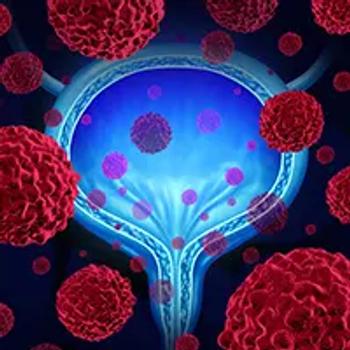
The addition of avelumab to cisplatin-based chemotherapy led to high event-free survival and overall survival rates in patients with muscle-invasive urothelial carcinoma.

Isatuximab plus VRd produced a statistically significant improvement in PFS vs VRd in newly diagnosed, transplant-ineligible multiple myeloma.

In a phase 2 trial, all 42 patients with locally advanced mismatch repair–deficient rectal cancer achieved clinical complete response with dostarlimab.

Neoadjuvant nivolumab/chemotherapy, followed by surgery and adjuvant nivolumab, significantly improved EFS in stage III N2 and stage III non-N2 NSCLC.

Datopotamab deruxtecan demonstrated comparable intracranial activity and safety in pretreated patients with NSCLC with or without brain metastases.

Neoadjuvant nivolumab with chemotherapy led to durable EFS benefit and a trend toward improved OS vs chemotherapy alone in patients with resectable NSCLC.
Long-term DFS and OS outcomes with adjuvant atezolizumab in stage II to IIIA NSCLC were consistent with prior data from the IMpower010 trial.

Circulating kidney injury molecule-1 (KIM-1) may be a biomarker for minimal residual disease (MRD), disease recurrence, and benefit from adjuvant atezolizumab (Tecentriq) in patients with renal cell carcinoma (RCC) at increased risk of recurrence.
Lenvatinib plus pembrolizumab displayed a superior clinical benefit vs sunitinib irrespective of patient biomarker subtype in advanced clear cell RCC.
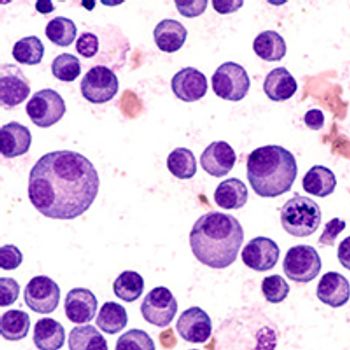
Tocilizumab plus teclistamab step-up dosing showed efficacy and a mainly mild safety profile in patients with relapsed/refractory multiple myeloma.
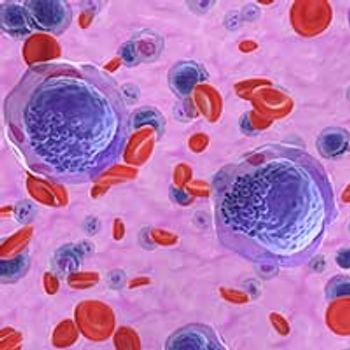
Treatment with BVd elicited PROs comparable with those who were treated with DVd in relapsed/refractory multiple myeloma.