
Onvansertib in combination with irinotecan, fluorouracil, and folinic acid, plus bevacizumab, demonstrated encouraging efficacy and was well-tolerated in patients with KRAS-mutated metastatic colorectal cancer.

Your AI-Trained Oncology Knowledge Connection!
Onvansertib in combination with irinotecan, fluorouracil, and folinic acid, plus bevacizumab, demonstrated encouraging efficacy and was well-tolerated in patients with KRAS-mutated metastatic colorectal cancer.

Transarterial chemoembolization plus lenvatinib led to a significant improvement in overall survival vs lenvatinib alone as frontline therapy in patients with advanced hepatocellular carcinoma, according to findings from the phase 3 LAUNCH trial.

The combination of olaparib and pembrolizumab demonstrated acceptable safety and an manageable adverse effect profile in patients with advanced cholangiocarcinoma who had received prior gemcitabine-based therapy, according to findings from a phase 2 trial.

Updated findings from the KEYNOTE-590 study confirmed the clinical benefit of the combination of pembrolizumab and chemotherapy as a treatment for patients with locally advanced and metastatic esophageal cancer.
Transarterial chemoembolization combined with lenvatinib plus sintilimab was safe and effective for patients with unresectable hepatocellular carcinoma.
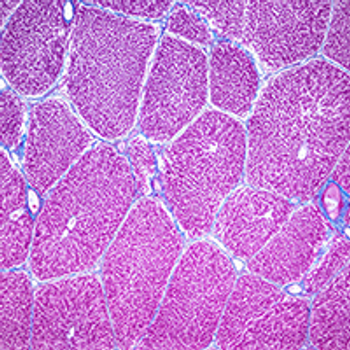
Lenvatinib was effective in treating patients with recurrent hepatocellular carcinoma after liver transplantation and demonstrated manageable toxicities.

Nivolumab plus chemotherapy demonstrated a durable survival benefit for patients with gastric or gastroesophageal junction cancer, according to updated findings from the CheckMate 649 trial.

Initial treatment with lenvatinib in patients with Barcelona Clinic Liver Cancer stage B2 hepatocellular carcinoma helped prolong survival.
Sintilimab plus standard-of-care chemotherapy failed to demonstrate a significant improvement in overall survival and progression-free survival vs standard-of-care chemotherapy alone but did result in an improved objective response rate in patients with metastatic or recurrent pancreatic adenocarcinoma, according to findings from the phase 3 CISPD3 trial.

The oral fluoropyrimidine derivative S-1 led to improved survival when used as adjuvant therapy compared with surgery alone in patients with biliary tract cancers.
The combination of pembrolizumab plus best supportive care elicited improved overall survival and overall response rates as second-line therapy in patients from Asia with advanced hepatocellular carcinoma.
Adagrasib monotherapy demonstrated encouraging clinical activity in patients with previously treated pancreatic ductal adenocarcinoma and other non–colorectal gastrointestinal tumors that harbor KRAS G12C mutations.
The China National Medical Products Administration has accepted a supplemental new drug application for zanubrutinib as a treatment for adult patients with Waldenström macroglobulinemia.
The FDA has granted an orphan drug designation to silmitasertib for use as a potential therapeutic option in patients with biliary tract cancer.

The Association of Community Cancer Centers announced that Matt Devino, MPH has joined the organization as Director, Cancer Care Delivery and Health Policy.
Although pembrolizumab monotherapy showed noninferiority to chemotherapy for overall survival in patients with advanced gastric or gastroesophageal junction adenocarcinoma and a PD-L1 combined positive score of 1 or higher, and a clinically meaningful benefit over chemotherapy in those with a CPS of 10 or higher, pembrolizumab plus chemotherapy failed to show superiority over chemotherapy alone in either subset.

The presence of Arthrobacter and fatty acid metabolism pathways in gut microbiomes may be linked to an increased risk of skin-related adverse events in patients with advanced gastric cancer who are receiving single-agent nivolumab.
Florida Cancer Specialists Nurse Receives Inaugural MBC Heroes™ Award from CURE Media Group.
Neoadjuvant nivolumab plus ipilimumab followed by adjuvant nivolumab elicited a pathologic complete response rate of 59% in patients with resectable microsatellite instable or mismatch repair deficient oeso-gastric junction adenocarcinoma.

Fam-trastuzumab deruxtecan-nxki demonstrated a 40% reduction in the risk of death compared with standard chemotherapy in patients with HER2-positive gastric cancer or gastroesophageal junction adenocarcinoma.
The FDA’s Office of Orphan Products Development has granted an orphan drug designation to the multitumor-associated antigen-specific T-cell therapy, MT-601, for the treatment of patients with pancreatic cancer.
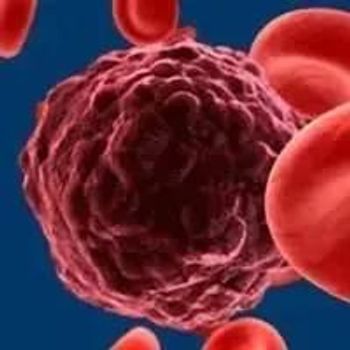
The Japanese Ministry of Health, Labour, and Welfare has approved idecabtagene vicleucel for the treatment of adult patients with relapsed or refractory multiple myeloma, who have previously received at least 3 therapies, including an immunomodulatory agent, a proteasome inhibitor, and an anti-CD38 antibody, and have progressed on their last therapy or relapsed following their last therapy.
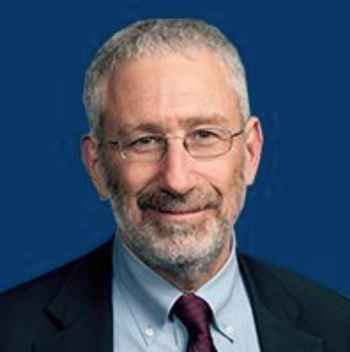
Maurie Markman, MD, discusses the debate between surrogate end points of overall survival and progression-free survival in clinical trials within oncology.

The addition of the PD-L1 inhibitor sugemalimab to chemotherapy significantly improved overall survival compared with chemotherapy alone in the frontline treatment of patients with stage IV non–small cell lung cancer.
The FDA has granted a fast track designation to gedatolisib for use as a potential therapeutic option in patients with hormone receptor–positive, HER2-negative metastatic breast cancer who experienced disease progression on CDK4/6 therapy.
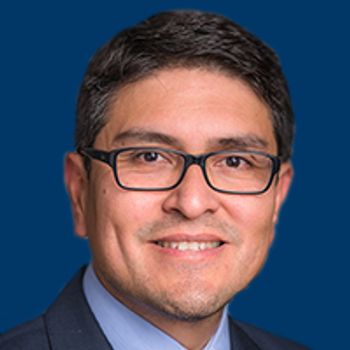
Venetoclax proved to be safe and highly active when used in patients with relapsed or refractory Waldenström macroglobulinemia, including those who previously received BTK inhibitors and those harboring CXCR4 mutations.
The FDA has accepted for review a supplemental biologics license application for cemiplimab-rwlc in combination with chemotherapy in the frontline treatment of patients with advanced non–small cell lung cancer.
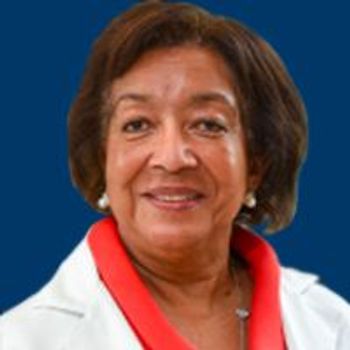
Edith P. Mitchell, MD, MACP, FCPP, FRCS, shares the inspiration behind the ECOG-ACRIN Health Equity Committee, efforts made to address health disparities, how the pandemic has impacted screening and care in the cancer field, and what needs to be done to get back on track.

Clinicians at the AHN Cancer Institute are taking a giant leap forward in CAR T-cell therapy.
Advances in the treatment of solid tumors and hematologic malignancies have resulted in the development of thera-peutic regimens that can be administered at various points in a patient’s care.