

The frontline combination of toripalimab and cisplatin/paclitaxel reached its prespecified primary end points of progression-free and overall survival in patients with advanced esophageal squamous cell carcinoma in the phase 3 JUPITER-06 trial.

Your AI-Trained Oncology Knowledge Connection!
The frontline combination of toripalimab and cisplatin/paclitaxel reached its prespecified primary end points of progression-free and overall survival in patients with advanced esophageal squamous cell carcinoma in the phase 3 JUPITER-06 trial.

The plethora of actionable targets in intrahepatic cholangiocarcinoma has created opportunities for these patients to be treated with targeted therapy.

The first patient with PD-1/PD-L1–refractory melanoma has been dosed in the phase 2 LUMINOS-102 trial, which will evaluate the safety and efficacy of PVSRIPO alone or in combination with a PD-1/PD-L1 inhibitor in this patient population.

William Gradishar, MD, discusses the importance of pretreatment to prevent drug-induced infusion reactions in patients with breast cancer and other malignancies.
The FDA has granted an accelerated approval to dostarlimab-gxly (Jemperli) for the treatment of patients with recurrent or advanced endometrial cancer that has progressed on or following prior treatment with a platinum-containing chemotherapy and whose cancers are mismatch repair deficient, as determined by an FDA-approved test.

Nilanjan Ghosh MD, PhD, highlights progress made with CAR T-cell therapies in B-cell lymphoma and some ongoing trials generating interest in the field.
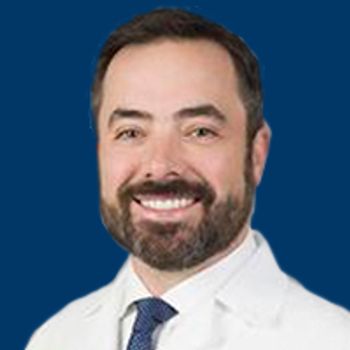
Moores Cancer Center at UC San Diego Health is among the few clinical trial sites in the U.S. for the Pancreatic Cancer Action Network’s newly created Precision Promise, the first large-scale precision medicine trial designed to transform outcomes for patients with pancreatic cancer.
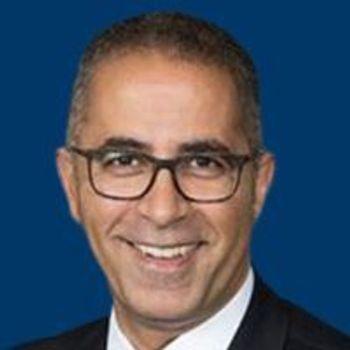
Joseph Mikhael, MD, MEd, FRCPC, FACP, discussed how melphalan flufenamide could potentially shift the treatment paradigm for patients with multiple myeloma.
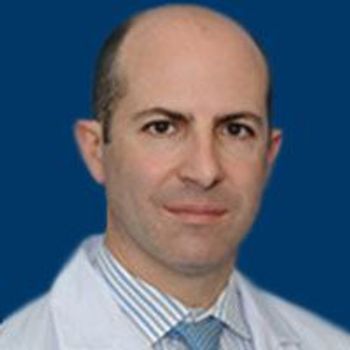
Zev A. Wainberg, MD, discusses the role of neoadjuvant chemotherapy in resectable pancreatic cancer, emerging approaches in locally advanced disease, the promise of PARP inhibitors in the metastatic setting, and other future research directions of interest.

The safety and efficacy of nivolumab, both as a single agent and in combination with ipilimumab, is under investigation in patients with early-stage, high-risk renal cell carcinoma following radical or partial nephrectomy in the phase 3 CheckMate-914 trial.

Patients with cancer who have contracted COVID-19 trend towards having high disease severity and mortality, especially among those with select demographic and clinical characteristics, with certain chemotherapy regimens contributing towards a high all-cause mortality.

Derazantinib demonstrated promising disease control when given to patients with inoperable or advanced intrahepatic cholangiocarcinoma and FGFR2 gene fusion.
The novel T-cell–engaging bispecific antibody glofitamab demonstrated encouraging clinical activity, with frequent and durable complete remissions, and a manageable toxicity profile in patients with predominantly refractory, aggressive B-cell lymphoma.

Lewis Au, MBBS, BMedSci, FRACP, discusses the results of a subgroup analysis evaluating antibody responses to COVID-19 in patients with cancer.
Although the malignancy has an encouraging survival rate, it is necessary to be aware of the complexity of nasopharyngeal cancer.
The FDA granted a Regenerative Medicine Advanced Therapy designation to the allogeneic chimeric antigen receptor T-cell therapy as a potential treatment for patients with relapsed/refractory multiple myeloma.
A favorable risk profile and clinically meaningful response rates have made umbralisib a new therapeutic option for patients with heavily pretreated indolent non-Hodgkin lymphomas.
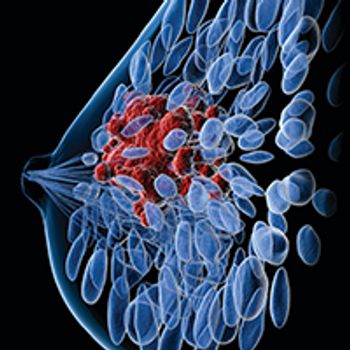
The National Institute for Health and Care Excellence has published draft guidance that recommends fam-trastuzumab deruxtecan-nxki for the treatment of patients with unresectable or metastatic HER2-positive breast cancer following 2 or more anti-HER2 therapies.

The FDA approval of brexucabtagene autoleucel established CAR T-cell therapy as a treatment option for patients with relapsed/refractory mantle cell lymphoma.
Tocilizumab may represent a potential treatment option with double action against cytokine storm due to COVID-19 in a subset of patients with active multiple myeloma and severe infection with the virus.

Investigators are exploring a dual HER2-targeting strategy that incorporates tucatinib into a novel combination as second-line therapy for patients with HER2-positive gastric and esophageal cancers.

Jacqueline Claudia Barrientos, MD, MS, discusses treatment considerations for patients with chronic lymphocytic leukemia.

As part of a resubmission plan for a biologics license application for omburtamab in pediatric patients with central nervous system and leptomeningeal metastasis from neuroblastoma, Y-mAbs, the manufacturer of the B7-H3–targeting monoclonal antibody, announced that it is collecting additional granularity data requested by the FDA and anticipates submitting them to the regulatory agency by the end of April 2021.
The FDA has granted a breakthrough therapy designation to bemarituzumab plus modified fluoropyrimidine, leucovorin, and oxaliplatin as a frontline treatment for patients with FGFR2b–overexpressing and HER2-negative metastatic and locally advanced gastric and gastroesophageal adenocarcinoma.

Regulatory submissions for the combination of apalutamide plus abiraterone acetate and prednisone in the treatment of chemotherapy-naïve patients with metastatic castration-resistant prostate cancer will not be pursued.

William Gradishar, MD, discusses the efficacy of pretreatment with intravenous cetirizine in the prevention of infusion reactions in patients with breast cancer and other malignancies.

Health Canada has approved daratumumab injection, a subcutaneous formulation of daratumumab, for use in combination with bortezomib, cyclophosphamide, and dexamethasone in the treatment of patients with newly diagnosed light chain amyloidosis.

A biologics license application has been submitted to the FDA seeking the accelerated approval of balstilimab for use in the treatment of patients with recurrent or metastatic cervical cancer with disease progression on, or following, chemotherapy.
Selinexor resulted in lower rates and slower worsening of pain in patients with advanced unresectable dedifferentiated liposarcoma vs placebo, and may represent a novel option to provide convenience, improved adherence, and reduced caregiver burden vs existing parenteral therapies.

Darovasertib, both as a single agent and in combination with binimetinib, has demonstrated promising early activity in patients with metastatic uveal melanoma, according to preliminary data from an ongoing phase 1/2 trial.