

The FDA has granted a breakthrough therapy designation to fam-trastuzumab deruxtecan-nxki for the treatment of patients with HER2-positive unresectable or metastatic gastric or gastroesophageal junction adenocarcinoma.

Your AI-Trained Oncology Knowledge Connection!
The FDA has granted a breakthrough therapy designation to fam-trastuzumab deruxtecan-nxki for the treatment of patients with HER2-positive unresectable or metastatic gastric or gastroesophageal junction adenocarcinoma.
Warner K. Huh, MD, discusses the management of gynecologic cancers during the COVID-19 era, the SGO COVID-19 task force, and what is needed to quell the pandemic, which he refers to as our version of the Great Depression.
Thomas Herzog, MD, discusses the FDA approval of olaparib plus bevacizumab for the frontline maintenance treatment of patients with homologous recombination deficiency–positive ovarian cancer.
The FDA has approved selpercatinib (LOXO-292) for the treatment of patients with advanced RET fusion–positive non–small cell lung cancer, RET-mutant medullary thyroid cancer, and RET fusion–positive thyroid cancer.

The anti­–folate receptor alpha antibody-drug conjugate STRO-002 showed early clinical promise in patients with advanced ovarian cancer.

Charles L. Sawyers, MD, discusses the implications of the IMbassador250 trial, other notable presentations delivered at the meeting, and exciting research efforts being made in prostate cancer and beyond.
A panel of experts discuss the current and emerging treatment landscape of relapsed/refractory diffuse large B-cell lymphoma.
The FDA has approved olaparib plus bevacizumab for the maintenance treatment of patients with advanced ovarian cancer who are in complete or partial response to first-line platinum-based chemotherapy with bevacizumab.
Shai Friedland, MD, discusses the importance of screening for colorectal cancer, the advantages of the noninvasive FirstSightCRC blood test, and the results from the ZENITH trial.

The International Working Group for the Prognosis of MDS has identified a distinct subtype of myelodysplastic syndromes based on the presence of SF3B1, a nonheritable genetic mutation that causes the disease.

The vaccine BVAC-C demonstrated durable antitumor activity in patients recurrent cervical cancer.
Riad Salem, MD, discusses the role of localized therapy in hepatocellular carcinoma, the need to personalize treatment for patients, and the importance of implementing a multidisciplinary approach in this setting.
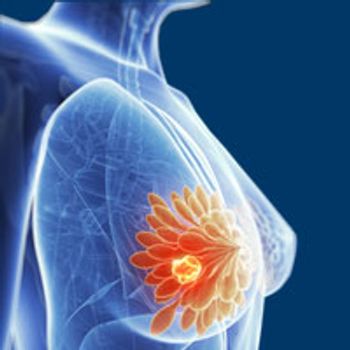
Trastuzumab emtansine has been approved in the UK for the adjuvant treatment of patients with HER2-positive early breast cancer.

A supplemental New Drug Application has been submitted to the Japanese Ministry of Health, Labour and Welfare seeking approval of trastuzumab deruxtecan for the treatment of patients with HER2-positive metastatic gastric cancer

Adding the PD-1 inhibitor sintilimab injection to gemcitabine and platinum-based chemotherapy improved progression-free survival as a frontline treatment in squamous non–small cell lung cancer.
Heinz-Josef Lenz, MD, FACP, discusses the next steps for the trial examining the onvansertib combination and sheds light on the possibility of this regimen eventually being used in the frontline setting.

Sonali M. Smith, MD, sheds light on some of the recent advances in follicular lymphoma and mantle cell lymphoma, as well as the challenges that remain overall in non-Hodgkin lymphoma.
The FDA has approved capmatinib for the treatment of patients with non–small cell lung cancer.

Investigators are examining if the addition of apalutamide, abiraterone acetate, and prednisone to standard hormone and radiation therapy will be more effective than standard treatment alone in node-positive prostate cancer.
The FDA has granted an orphan drug designation to MIV-818 for the treatment of patients with hepatocellular carcinoma.

Alain Algazi, MD, discusses the SWOG S1320 trial further, the future of intermittent dosing in melanoma, and future clinical trials in the field.

Paul M. Barr, MD, discusses the findings from a phase 1/2 trial and the evolution toward triplet therapies in chronic lymphocytic leukemia.
The FDA has extended the review period for a biologics license application for lisocabtagene maraleucel for the treatment of adult patients with relapsed/refractory large B-cell lymphoma.

Shannon N. Westin, MD, MPH, FACOG, discusses future directions in endometrial cancer.

VERU-111 demonstrated antitumor activity and durable PSA declines in men with metastatic castration-resistant prostate cancer who are resistant to at least 1 novel androgen-blocking agent.

Ritu Salani, MD, discusses the evolving role of biomarker development and testing in cervical cancer.

A doublet combining umbralisib and ublituximab improved progression-free survival in patients with chronic lymphocytic leukemia.
Manuel Hidalgo Medina, MD, PhD, discusses some of the research he presented at the 2020 ACCR Virtual Annual Meeting and future areas of exciting efforts being made in pancreatic cancer.
Cemiplimab induced clinically meaningful and durable responses in patients with advanced basal cell carcinoma.
FGFR2 fusions are significantly less common in endemic fluke-associated cholangiocarcinoma compared with non–fluke-associated cholangiocarcinoma, demonstrating that distinct etiologies could affect the molecular landscape of cholangiocarcinoma tumors.