

The cobas HPV test for cervical cancer screening is now FDA-approved for use on the high-throughput cobas 6800/8800 Systems.

Your AI-Trained Oncology Knowledge Connection!
The cobas HPV test for cervical cancer screening is now FDA-approved for use on the high-throughput cobas 6800/8800 Systems.
A New Drug Application has been submitted to the FDA for single-agent relugolix for use as a treatment for men with advanced prostate cancer.
The use of circulating tumor DNA via baseline tumor tissue or rebiopsy led to the identification of several MET mutations previously unidentified upon progression on savolitinib in patients with gastric cancer, as well as MET amplifications as drivers of resistance to the agent during monotherapy treatment of those with MET-amplified disease.
The FDA has approved FoundationOne CDx as the registrational companion diagnostic for pemigatinib, which the agency recently approved for the treatment of adult patients with previously treated, unresectable locally advanced or metastatic FGFR2+ cholangiocarcinoma.
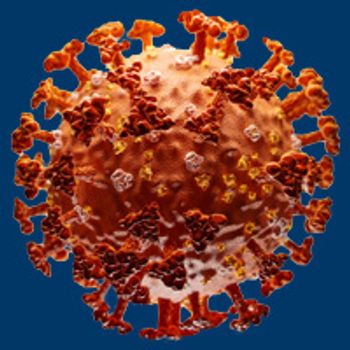
COVID-19 trials exploring the oncology treatments ruxolitinib and selinexor have officially begun patient enrollment.
Ryan W. Huey, MD, highlights the evolving treatment options in the hepatocellular carcinoma paradigm and discusses challenges and next steps in the field.
Rajat Bannerji, MD, PhD, discusses the clinical activity of the bispecific antibody REGN1979 in patients with non-Hodgkin lymphoma.

Naval G. Daver, MD, discusses the impact of COVID-19 on stem cell transplant for patients with hematologic malignancies and other measures put into place to prevent patients from infection.
Nivolumab combined with ipilimumab significantly improved overall survival versus chemotherapy in previously untreated patients with malignant pleural mesothelioma.
Nivolumab combined with cabozantinib improved overall survival and progression-free survival compared with sunitinib in patients with previously untreated advanced renal cell carcinoma.
Rashmi Murthy, MD, MBE, discusses the data that led to the approval of the tucatinib triplet, the clinical implications of the approval on practice, and the next steps for research with the agent.
Toni K. Choueiri, MD, shares updates regarding the COVID-19 and Cancer Consortium and other changes he has experienced in clinical practice due to the ongoing COVID-19 pandemic.
The FDA has approved pemigatinib for the treatment of patients with previously treated, locally advanced or metastatic cholangiocarcinoma with FGFR2 fusions or rearrangements, as detected by an FDA-approved test.
Melinda L. Telli, MD, discusses the role of PARP inhibition in the treatment of patients with breast cancer who harbor the BRCA mutations and ongoing research efforts seeking to expand their use beyond this setting.
The FDA has granted Fast Track Designations to surufatinib for the treatment of advanced and progressive pancreatic neuroendocrine tumors and extra-pancreatic neuroendocrine tumors in patients who are not amenable for surgery.
The 3-drug induction regimen of lenalidomide, bortezomib, and dexamethasone led to impressive overall survival outcomes and a very good partial response or better in nearly 90% of patients with newly diagnosed multiple myeloma.

Dylan Essner, discusses the utility of novel electronic documentation tools developed by technicians at Epic Beacon, among others, in the documentation, grading, and treatment of patients receiving CAR T-cell therapy.
The FDA has approved tucatinib for use in combination with trastuzumab and capecitabine for the treatment of patients with unresectable locally advanced or metastatic HER2-positive breast cancer.

Robert J. Kreitman, MD, discusses the long-term findings from the pivotal phase III trial with moxetumomab pasudotox in relapsed/refractory hairy cell leukemia.

Balazs Halmos, MD, MS, provides insight on preventive measures put in place at his institution, day-to-day challenges faced in practice, and how he is staying connected with the broader community to share information.
The benefit of single-agent acalabrutinib continued well over 3 years after treatment initiation in patients with relapsed/refractory chronic lymphocytic leukemia.

This week we have collaborated with Weill Cornell Medicine to highlight important topics facing oncologists today. Join us Saturday, June 6, 2020 at 11 AM EST.

An OncLive® Weekly Webinar Series highlighting best practices, treatment updates, and multidisciplinary approaches to ovarian cancer care through the COVID-19 pandemic. Join us Wednesday, June 3, 2020 at 8 PM EST.

This OncLive® webinar series will focus on the continued impact of the COVID-19 pandemic on the delivery of cellular therapeutics, particularly chimeric antigen receptor T cells. Join us Tuesday, June 2, 2020 at 8 PM EST.
Join us LIVE at this year's virtual scientific program! OncLive® will broadcast a series of interviews with top thought leaders to share their insights and reactions to data presented during the virtual conference.
This OncLive® webinar series will focus on the continued impact of the COVID-19 pandemic on the delivery of cellular therapeutics, particularly chimeric antigen receptor T cells. Join us Tuesday, May 26, 2020 at 8 PM EST.

The China National Medical Products Administration has granted a priority review to niraparib for use as a frontline maintenance treatment for adult patients with advanced ovarian cancer.

Peter R. Galle, MD, PhD, discusses the PROs analysis from the IMbrave150 trial in HCC and the importance of understanding patient experience during treatment.
Alvin H. Schmaier, MD, discusses the primary and secondary management of cancer-related thrombosis.
This OncLive® webinar series will focus on the continued impact of the COVID-19 pandemic on the delivery of cellular therapeutics, particularly chimeric antigen receptor T cells. Join us Tuesday, May 19, 2020 at 8 PM EST.