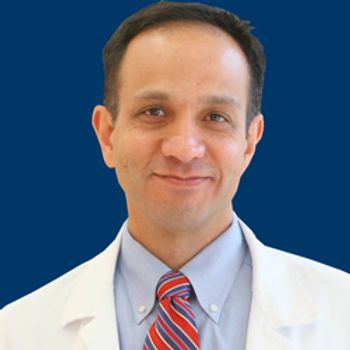
Hossein Borghaei, DO, MS, highlights pivotal trials examining chemoimmunotherapy in metastatic nonsquamous non–small cell lung cancer, ongoing research efforts, and exciting biomarkers on the horizon.

Your AI-Trained Oncology Knowledge Connection!
Hossein Borghaei, DO, MS, highlights pivotal trials examining chemoimmunotherapy in metastatic nonsquamous non–small cell lung cancer, ongoing research efforts, and exciting biomarkers on the horizon.

The Association of Community Cancer Centers honored the recipients of 2019 ACCC Innovator Awards at the ACCC 36th National Oncology Conference in Orlando, Florida, where this year’s honorees shared innovative strategies and lessons learned from their own experience to enable others to model and scale similar initiatives.

Michelle Ghert, MD, FRCSC, discusses the PARITY and SAFETY trials and the future of research in orthopedic oncology.
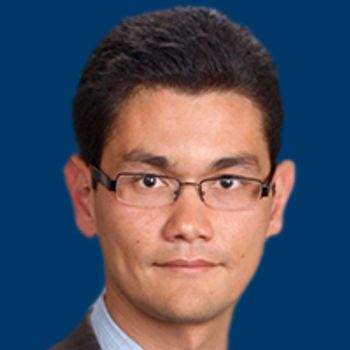
Alan H. Bryce, MD, discusses how novel agents have impacted the nonmetastatic castration-resistant prostate cancer space.
The FDA has approved the pegfilgrastim biosimilar LA-EP2006 (pegfilgrastim-bmez; Ziextenzo) as a treatment to decrease the incidence of infection, exhibited from febrile neutropenia, in patients with nonmyeloid malignancies receiving myelosuppressive anti-cancer therapy that is associated with a clinically significant incidence of febrile neutropenia.
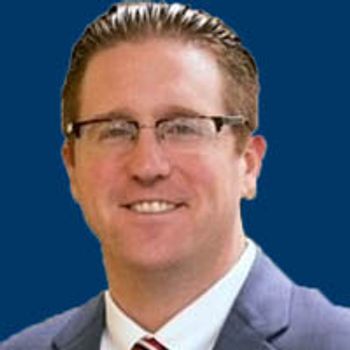
The Pancreatic Cancer Center team of the Northwell Health Cancer Institute has developed a collaborative care model to treat this rapid-moving form of cancer. This edition of Health Story features an informal conversation with Dr. Matthew Weiss, deputy physician-in-chief and director of surgical oncology of the Northwell Health Cancer Institute and nationally-renowned hepatopancreatobiliary surgeon.

Gregory M. M. Videtic, MD, CM, FRCPC, discusses ongoing developments with immunotherapy in stage III non–small cell lung cancer.

Massimo Cristofanilli, MD, discusses emerging treatment approaches for patients with estrogen receptor-positive/HER2-negative breast cancer with an ESR1 mutation.

The investigational agent pegvorhyaluronidase alfa in combination with gemcitabine and nab-paclitaxel did not show an improvement in overall survival compared with gemcitabine and nab-paclitaxel alone in patients with metastatic pancreatic cancer, missing the primary endpoint of the phase III HALO-109-301 trial.

Lukas E. Dow, PhD, discusses ongoing research evaluating Wnt as a potential target in colorectal cancer.

With just 2 more years to go in the Oncology Care Model, CMS is proposing a next-generation payment system that would include more private payers and hold practices more accountable for quality and costs of care.

Al B. Benson, MD, discusses personalized treatment strategies for patients with metastatic colorectal cancer.

Albert J. Aboulafia, MD, discusses advances in tenosynovial giant cell tumor and the early research and challenges in soft tissue sarcoma treatment.

Manish A. Shah, MD, discusses ongoing research evaluating immunotherapy and other novel treatments in advanced gastric and gastroesophageal junction cancer.
President Donald Trump is nominating Stephen M. Hahn, MD, FASTRO, as the next commissioner of the FDA.
Gilteritinib demonstrated a higher remission rate and a statistically significant improvement in overall survival compared with salvage chemotherapy in patients with relapsed/refractory acute myeloid leukemia who harbor a FLT3 mutation.

Jacopo Giuliani, MD, discusses the analysis of the economic impact of biosimilars in breast cancer and follicular lymphoma.
Edward S. Kim, MD, discusses how the use of immunotherapy has resulted in a paradigm shift in advanced nonsquamous non–small cell lung cancer and the steps that are being taken to broaden its use in clinical practice.
Lakshmi N. Rajdev, MD, discusses classifying and grading neuroendocrine tumors (NETs), treating patients with NETs, and novel therapeutic strategies in the pipeline.
The FDA has granted a Regenerative Medicine Advanced Therapy designation to the investigational anti-BCMA CAR T-cell therapy CT053 for the treatment of patients with relapsed/refractory multiple myeloma.
W. Victoria Lai, MD, discusses the impact immunotherapy has had in the management of patients with extensive-stage small cell lung cancer.
Gregory J. Riely, MD, PhD, discusses the current treatment landscape for ALK- and ROS1-positive non–small cell lung cancer.

Pradnya D. Patil, MD, FACP, discusses the implications of these trials and the growing role of immunotherapy in lung cancer.
James P. Stevenson, MD, discusses available biomarker-driven therapies in non–small cell lung cancer, as well as rarer biomarkers under clinical investigation.

Khaled A. Hassan, MD, MS, discusses the use of EGFR TKIs in the treatment of patients with advanced EGFR-mutant non–small cell lung cancer and the emergence of osimertinib as the frontline standard of care.
The investigational KRAS G12C inhibitor MRTX849 demonstrated clinical activity in patients with non–small cell lung cancer and colorectal cancer.
Ibrahim S. Alshaygy, MD, MSC, discusses surgical developments in dermatofibrosarcoma protuberans and tenosynovial giant cell tumor.
Umbralisib (TGR-1202) met the primary endpoint of overall response rate in the follicular lymphoma cohort of the pivotal phase IIb UNITY-NHL trial, according to TG Therapeutics, Inc., the developer of the PI3K-delta inhibitor.
Nathan A. Pennell, MD, PhD, discusses the actionability of advanced ALK-positive and ROS1-positive non–small cell lung cancer and the drugs that have emerged in the frontline and second-line settings.

The addition of durvalumab (Imfinzi) to platinum-based chemotherapy demonstrated a statistically significant and clinically meaningful improvement in progression-free survival compared with chemotherapy alone in patients with previously untreated metastatic non–small cell lung cancer.