

The evaluation of diverse biomarkers via a machine learning approach demonstrated improved prediction of clinical outcomes vs individual biomarkers in RCC.

Your AI-Trained Oncology Knowledge Connection!
The evaluation of diverse biomarkers via a machine learning approach demonstrated improved prediction of clinical outcomes vs individual biomarkers in RCC.
Daneng Li, MD, discusses the efficacy and safety findings of a casdozokitug-based regimen in unresectable, advanced HCC.
IMA203 was well tolerated and elicited durable responses in patients with advanced melanoma.
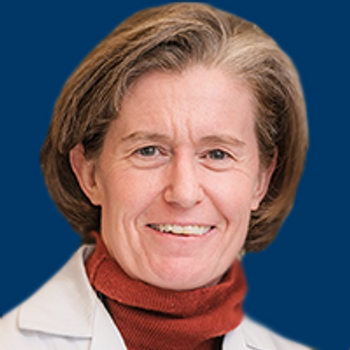
Elizabeth Mittendorf, MD, PhD, shares her ASCO priorities: expanding trial access, strengthening teams, and advancing global, evidence-based oncology care.
JNJ-79635322 had a tolerable safety profile and elicited responses comparable with those generated by CAR T-cell therapy in relapsed/refractory myeloma.
Tivozanib monotherapy was effective and outperformed tivozanib plus nivolumab after receipt of upfront IO/TKI or ipilimumab/nivolumab regimens in RCC.
ASCT added to Isa-KRd consolidation following Isa-KRd induction did not improve MRD outcomes vs continued Isa-KRd in MRD-negative, newly diagnosed myeloma.

Recent research at Mayo Clinic evaluated thyroid cancer risk in men and women.

THIO plus cemiplimab showed tolerability and activity in ICI-resistant advanced NSCLC in the second- and third-line settings.

Frontline BNT327/PM8002 plus chemotherapy was effective and safe in patients with unresectable pleural and peritoneal mesothelioma.
In an OncLive Peer Exchange, expert investigators convened to discuss the treatment landscape of early-stage NSCLC from a multidisciplinary perspective.
Annamycin yielded a 59.4% CBR and a median OS of 13.5 months in soft tissue sarcoma lung metastases.

The FDA granted breakthrough therapy designation to iopofosine I 131 for relapsed/refractory Waldenström macroglobulinemia.

The FDA has granted accelerated approval to avutometinib/defactinib for KRAS-mutant recurrent low-grade serous ovarian cancer.
Fruquintinib plus chemotherapy and a PD-1 inhibitor was safe and effective in patients with untreated HER2-negative advanced gastric/GEJ cancer.
The first CAR T-cell therapy designed for patients with relapsed/refractory AL amyloidosis showed feasibility and early efficacy and safety signals.
Dostarlimab plus cobolimab bested dostarlimab monotherapy in terms of MPR and RFS in patients with high-risk resectable melanoma.
Adjuvant encorafenib/binimetinib was well tolerated with a manageable toxicity profile in patients with high-risk, stage IIB/C BRAF V600-mutant melanoma.
Elranatamab plus daratumumab and lenalidomide was safe and effective in transplant-ineligible patients with newly diagnosed multiple myeloma.
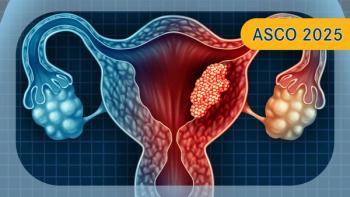
An exploratory analysis showed a reduction in the risk of progression in locally advanced cervical cancer with undetectable ctDNA levels after treatment.
A single infusion of cilta-cel led to a 5-year PFS in patients with heavily pretreated relapsed/refractory myeloma in long-term follow-up of CARTITUDE-1.
Dara-KRd improved rates of MRD negativity compared with KRd alone in patients with newly diagnosed multiple myeloma, regardless of transplant eligibility.
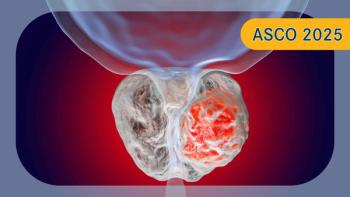
Olaparib/radium-223 demonstrated superior rPFS outcomes compared with radium-223 alone in patients with castration-resistant prostate cancer.
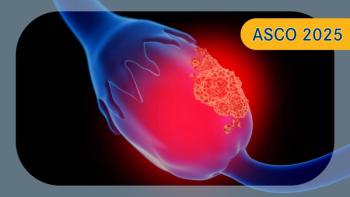
Perioperative IMNN-001 plus chemotherapy generated numerical survival improvements in newly diagnosed epithelial ovarian cancer.

Brentuximab vedotin plus ECADD chemotherapy has been approved in Europe for adult patients with newly diagnosed, stage IIB to IV Hodgkin lymphoma.

CAN-2409 plus prodrug and radiation therapy significantly improved DFS vs radiation therapy alone in intermediate-to-high-risk prostate cancer.
Relatlimab plus nivolumab did not improve RFS over nivolumab alone in resected stage III to IV melanoma, per the final phase 3 RELATIVITY-098 results.
The FDA has approved darolutamide for the treatment of patients with metastatic castration-sensitive prostate cancer.
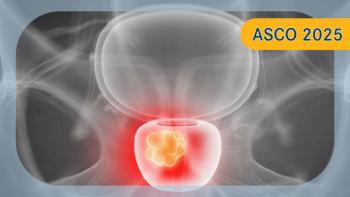
A PRO analysis showed that darolutamide plus ADT improved HRQOL outcomes vs placebo plus ADT in patients with metastatic hormone-sensitive prostate cancer.
Daratumumab plus VRd continued to demonstrate improvements in MRD negativity and PFS in newly diagnosed, transplant-ineligible multiple myeloma.