

David C. Fisher, MD, discusses the evolving role of BTK inhibitors in the CLL treatment paradigm.
David C. Fisher, MD, discusses the evolving role of BTK inhibitors in the CLL treatment paradigm.
John H. Strickler, MD, highlights the mechanism of action of telisotuzumab adizutecan and the rationale for targeting c-Met in colorectal cancer.
For more first-hand insights, head over to our YouTube channel to watch Dr Markman discuss the inner workings of oncology: https://rb.gy/bvumdn.
The European Medicines Agency has recommended extended authorization for frontline tislelizumab plus chemotherapy for GEJ adenocarcinoma and ESCC.
The FDA has accepted the new drug application resubmission for the first-line combination of rivoceranib plus camrelizumab in unresectable HCC.
The Ion Torrent Oncomine Dx Target Test received regulatory approval as a companion diagnostic to identify patients who are eligible for vorasidenib.
Research from Fox Chase Cancer Center has shown that the gene TREX1 is linked to small cell lung cancer.
Faculty at Washington University School of Medicine in St. Louis have designed a clinical trial development fellowship education program.
Jorge Cortes, MD, inaugural editor-in-chief of Blood Global Hematology, details what type of research the new journal will highlight and its importance.
Oncology fellows with aspirations of entering the lung cancer field gathered in Chicago, Illinois, to share findings from their research, network, and participate in panel discussions featuring expert faculty
Zolbetuximab wins approval for CLDN18.2-positive gastric/GEJ cancer, TTFields joins the NSCLC armamentarium, and more of this week's top news in oncology.
Jerome D. Winegarden, MD, discusses the importance of recruiting international students to such programs.
Alan Tan, MD, discusses the nuances of navigating combination regimens for patients with advanced renal cell carcinoma.
The FDA approved zolbetuximab plus chemotherapy for advanced, CLDN18.2-positive gastric or gastroesophageal junction adenocarcinoma.
Breelyn Wilky, MD, discusses updated efficacy and safety findings following treatment of botensilimab and balstilimab in refractory metastatic sarcoma.
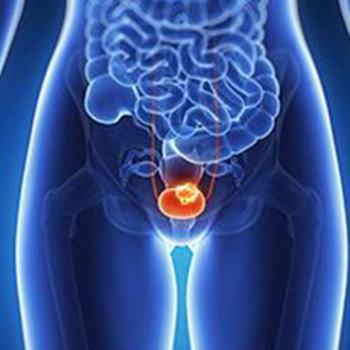
Gilead will voluntarily withdraw the United States indication for sacituzumab govitecan in metastatic urothelial cancer.
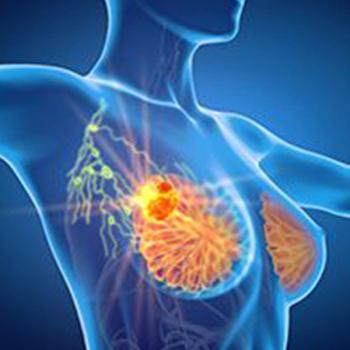
The CHMP issued a positive opinion recommending the approval of ribociclib plus endocrine therapy in HR+/HER2– early breast cancer at high risk of recurrence.
The South Korean Ministry of Food and Drug Safety approved selinexor plus bortezomib and dexamethasone for pretreated patients with multiple myeloma.
Jill Gilbert, MD, highlights a recent landmark decision by the FDA concerning trial design moving forward for cancer drugs.
Atrium Health Levine Cancer will begin treating patients with proton beam therapy.
Hidehito Horinouchi, MD, PhD, discusses safety data from the ALINA trial of adjuvant alectinib in ALK-positive non–small cell lung cancer.
Belzupacap sarotalocan produced complete responses in patients with low-grade non–muscle-invasive bladder cancer.
Fred Saad, MD, FRCS, discusses efficacy and safety data for darolutamide plus ADT in metastatic hormone-sensitive prostate cancer.
Cabozantinib plus atezolizumab did not produce superior OS outcomes vs a second novel hormonal therapy in metastatic castration-resistant prostate cancer.
Ashraf Z. Badros, MBCHB, discusses the use of daratumumab plus lenalidomide as maintenance therapy after transplant in newly diagnosed multiple myeloma.

Updated RAMP 201 data will support an NDA submission to the FDA for avutometinib plus defactinib in recurrent low-grade serous ovarian cancer.
Tafasitamab plus lenalidomide followed by tafasitamab monotherapy has been approved in Mexico for ASCT-ineligible, relapsed/refractory DLBCL.
Jian Q. “Michael” Yu, MD, FRCPC, FACNM, is Chief of Nuclear Medicine/PET at Fox Chase, which was recently named Philadelphia’s first Comprehensive Radiopharmaceutical Therapy Center of Excellence.
Jorge Cortes, MD, details how asciminib could affect care for patients with CML, diving into key takeaways from the ASC4FIRST trial.
Oncology experts share notable clinical trials and up-and-coming therapies presented at the 2024 ESMO Congress.