
RP1 plus nivolumab generated responses in advanced melanoma that progressed on or after prior anti–PD-1 therapy.
RP1 plus nivolumab generated responses in advanced melanoma that progressed on or after prior anti–PD-1 therapy.

The investigational PRAME-targeted T-cell therapy IMA203 generated responses in melanoma and other solid tumors,

Phase 1 data showed the potential for invikafusp alfa as a precision cancer immunotherapeutic agent in solid tumors after exposure to PD-(L)1 therapy.
Patients with newly diagnosed glioblastoma had improved survival when treated with TTFields plus temozolomide and pembrolizumab.

E-602 plus cemiplimab elicited preliminary antitumor activity and had a tolerable safety profile in PD-(L)1–resistant solid tumors.
Administration of fixed-dose CAR T cells followed by escalating doses of UB-TT170 led to changes in cytokine levels in relapsed/refractory osteosarcoma.
Early cytokine induction after CAR T-cell therapy infusion predicts CAR expansion in patients with leukemia or lymphoma treated with axi-cel or brexu-cel.

UCSF Life Sciences Building will bring research, innovation, specialty care clinics, and world-class cancer therapy to San Francisco’s central waterfront.
Debra L. Richardson, MD, FACS, FACOG, discusses how selinexor may address the need for effective maintenance therapies in pMMR, TP53 wild-type endometrial cancer.

Investigators who champion patient-partnered cancer research have experienced challenges to their effective implementation.

Janaki Neela Sharma, MD, discusses takeaways from the Sylvester Comprehensive Cancer Center 2024 Annual Oncology Update.
Obe-cel wins FDA approval in relapsed/refractory B-cell ALL, FDA approval is sought for sunvozertinib in EGFR exon 20–positive NSCLC, and more.
David A. Braun, MD, PhD, discusses the potential for protein glycosylation as a biomarker to predict nivolumab/cabozantinib responses in advanced RCC.
The FDA has approved obecabtagene autoleucel for relapsed/ refractory B-cell precursor acute lymphoblastic leukemia.
Overall survival findings from the PERLA trial showed continued success with dostarlimab plus chemotherapy in patients with advanced non–small cell lung cancer.

THIO plus cemiplimab displayed durable activity in patients with advanced checkpoint inhibitor–resistant NSCLC.

Treatment with magrolimab plus docetaxel led to peripheral CD47 saturation in patients with advanced NSCLC, which correlated with improved outcomes.
Co-formulated vibostolimab and pembrolizumab plus chemotherapy failed to improve OS in the first line vs atezolizumab plus chemotherapy in ES-SCLC.
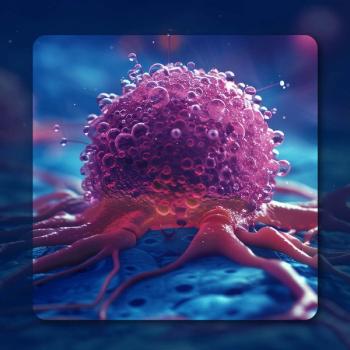
The biomarker analysis of patients enrolled on part B of the CheckMate 914 trial explored the effects of PD-L1 and KIM-1 expression.
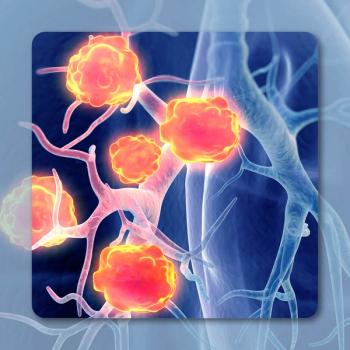
Preclinical data suggest that DLL3-TOPAbody has antitumor activity and could provide a survival advantage in DLL3-expressing tumor cells, including SCLC.
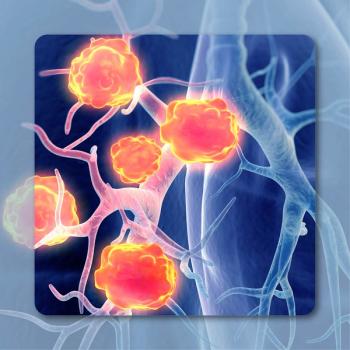
A new drug application has been submitted to the FDA for sunvozertinib in pretreated EGFR exon 20–positive advanced non–small cell lung cancer.
Applications have been submitted to the FDA and EMA seeking approval for daratumumab in high-risk smoldering multiple myeloma.

Fox Chase Cancer Center is pleased to announce the hiring of Lorenzo Galluzzi, PhD, as an Associate Professor with tenure in the Cancer Signaling and Microenvironment Research Program.
A phase 1 trial is examining the use of mesenchymal stromal cells for treatment of radiation-induced xerostomia in patients who have completed radiation.
The Immune Profile Score algorithmic test is now available for clinical use as a prognostic tool for immune checkpoint inhibitors in solid tumors.
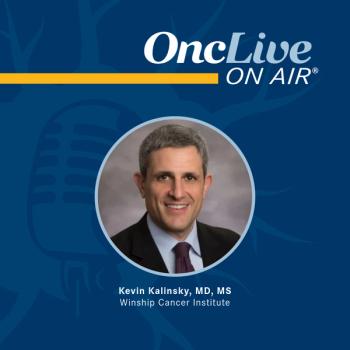
Kevin Kalinsky, MD, MS, discusses his top takeaways from the 2024 ASCO Annual Meeting and 2024 ESMO Congress, as well as where he sees the field of breast cancer evolving into the future.

DK210 (EGFR) showed evidence of wild-type IL-2 signaling, CRS mitigation, and immune response signaling in patients with solid tumors.
Siglec-15 was expressed in tumor cells and tumor-associated macrophages in tissue samples from non–small cell lung cancer and other solid tumors.
Radiomic biomarkers can predict treatment response through assessments of tumor growth in patients with metastatic uveal melanoma treated with roginolisib.
The Nectin-4/CD137 Bicycle–targeted immune cell agonist BT7480 had antitumor activity in patients with Nectin-4– and CD137-expressing tumors.