
Dr Ajani discusses the FDA approval of frontline zolbetuximab plus chemo for unresectable or metastatic, HER2–, CLDN18.2+ gastric or GEJ adenocarcinoma.
Dr Ajani discusses the FDA approval of frontline zolbetuximab plus chemo for unresectable or metastatic, HER2–, CLDN18.2+ gastric or GEJ adenocarcinoma.
The FDA has approved nilotinib tablets without mealtime restrictions for select patients with chronic myeloid leukemia.

Yelena Y. Janjigian, MD, highlights key takeaways and data from 2024 in the gastric and GEJ cancer field.

Sacituzumab tirumotecan monotherapy demonstrated antitumor activity with a manageable safety profile in previously treated endometrial and ovarian cancers.
A new study by researchers at Fox Chase Cancer Center and other institutions adds to that body of research, finding that there are significant differences in the microbiomes of patients who developed bladder cancer compared to those who were healthy.

NXP800 generated antitumor activity as monotherapy in platinum-resistant ovarian cancer harboring ARID1a mutations.

Eftilagimod alpha plus pembrolizumb and chemotherapy generated favorable survival data in nonsquamous NSCLC.

Belantamab mafodotin plus bortezomib and dexamethasone met the key secondary end point of OS in relapsed/refractory multiple myeloma in the DREAMM-7 study.

Mark Awad, MD, PhD, and Jonathan Spicer, MD, PhD, discuss the FDA approval of perioperative nivolumab for patients with resectable NSCLC.
Alex F. Herrera, MD, discusses long-term data from nivolumab plus AVD in advanced-stage Hodgkin lymphoma.
Transposon-engineered BAFF ligand–based CAR T cells induced responses with a tolerable safety profile among 3 patients with relapsed/refractory B-cell NHL.
Nicole Lamanna, MD, highlights various clinical trials underway evaluating new treatment options for patients with chronic lymphocytic leukemia.

When evaluating real-world experience, differences in race/ethnicity and among elderly patients with DLBCL appeared different from those seen in clinical trials, highlighting the need for consideration in these patient populations.
Advancements in FL treatment, including BTK inhibitors and CAR T-cell therapies, offer new hope for relapsed or refractory cases.

177Lu-PSMA-I&T improved radiographic progression-free survival vs hormonal therapy in PSMA-positive metastatic castration-resistant prostate cancer.

A retrospective study showed pacritinib improved symptoms in transfusion-dependent myelofibrosis.

SELECT-MDS-1 will be discontinued after failing to meet its primary end point of improved CR rates with tamibarotene/azacitidine in high-risk, RARA+ MDS.
Health Canada has approved momelotinib for the treatment of splenomegaly and/or disease-related symptoms in myelofibrosis with moderate-to-severe anemia.
First-line zanubrutinib generated a longer PFS in treatment-naive chronic lymphocytic leukemia/small lymphocytic lymphoma vs relapsed/refractory disease.

Fox Chase Cancer Center’s Dr. Vanessa Wookey Presents Rectal Cancer Research at 24th Annual ECOG-ACRIN Young Investigator Symposium
IBI354 showed favorable safety and efficacy in patients with advanced HER2-positive and HER2-low breast cancer.
AstraZeneca has filed a new BLA for Dato-DXd in pretreated, EGFR-mutated advanced non–small cell lung cancer.

The FDA has awarded rare pediatric disease designation to the novel GSK-3β inhibitor elraglusib for the treatment of Ewing sarcoma.

The institute builds upon institutional expertise to develop and advance impactful cell therapies for cancer, autoimmune conditions and infections.
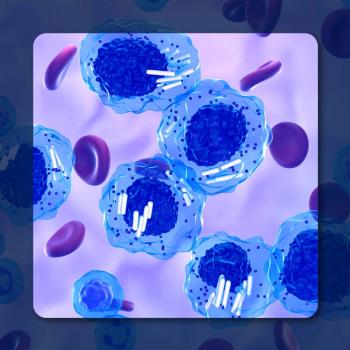
Revumenib met the CR/CRh primary end point of the phase 2 AUGMENT-101 trial in NPM1-mutated acute myeloid leukemia.

Pimicotinib improved responses compared with placebo in tenosynovial giant cell tumor.

Selumetinib led to a statistically significant and clinically meaningful improvement in ORR compared with placebo in adult patients with neurofibromatosis.
Kathleen N. Moore, MD, MS, discusses the evolving treatment landscape of platinum-resistant ovarian cancer.

Zolbetuximab plus chemotherapy extended PFS and OS in HER2–, locally advanced unresectable or metastatic, CLDN18.2+ gastric/GEJ adenocarcinoma.
Kari Wisinski, MD, highlights treatments for HER2– breast cancer, the role of chemotherapy in TNBC, and the benefits of T-DXd for brain metastases.