

A new study has found a surprising link between high levels of methylmalonic acid and the weakening of CD8+ T cells, shedding light on potential pathways through which aging may promote lung cancer progression.
A new study has found a surprising link between high levels of methylmalonic acid and the weakening of CD8+ T cells, shedding light on potential pathways through which aging may promote lung cancer progression.

The FDA has granted orphan drug designation to the herpes simplex virus type 1 oncolytic virus MB-108 for the management of malignant glioma.
Updated interim data show high complete responses and tolerability with padeliporfin VTP in low-grade upper tract urothelial cancer.

OncLive co-hosts Kristie L. Kahl and Andrew Svonavec talk to program co-chair Benjamin P. Levy, MD, to highlight what to expect in the latest oncology developments from the 42nd Annual Chemotherapy Foundation Symposium to be held in New York City.
Kari Wisinski, MD, discusses factors that influence her decision between CDK4/6 inhibitors for patients with treatment-naive, HR+ metastatic breast cancer.

Janaki Neela Sharma, MD, discusses the road to FDA approval for enfortumab vedotin plus pembrolizumab in locally advanced or metastatic urothelial cancer.
Brian A. Van Tine, MD, PhD, and David S. Hong, MD, discuss the MAGEA4 pathway and the FDA approval of afami-cel in synovial sarcoma.
Angela Hirbe, MD, PhD, discusses the potential significance of MEK inhibitors such as mirdametinib for adult and pediatric patients with NF1-PN.

Christina S. Baik, MD, MS, discusses the types of HER2 testing that should be performed in NSCLC and the design of the phase 3 Beamion LUNG-2 trial.

NICE issued a final guidance recommending reimbursement of avapritinib monotherapy in adult patients with ASM, SM-AHN, or mast cell leukemia.

Julia “Julie” Borrelli has been appointed chair of the Abramson Cancer Center Director's Leadership Council.

MI Cancer Seek has been granted FDA approval as a companion diagnostic for patients with cancer who may benefit from targeted therapy.

The FDA has granted orphan drug designation to LBL-034 for the treatment of patients with multiple myeloma.
Matthew Cortese, MD, MPH, details 2024/2025 updates to the NCCN guidelines for CLL/SLL and treatments to look forward to in the future.

Shaji Kumar, MD, details key updates/revisions made to the multiple myeloma NCCN guidelines in 2024 and the first version of the 2025 guidelines.
Julie R. Brahmer, MD, MSc, FASCO, details practice-changing indications and notable data in the early-stage, neo(adjuvant), and metastatic NSCLC settings.

An indirect comparison did not show significant differences in survival for acalabrutinib vs ibrutinib in relapsed/refractory mantle cell lymphoma.

Ruxolitinib plus low-dose pegylated interferon alfa-2a is well tolerated and efficacious in patients with newly diagnosed polycythemia vera.

Trevor Leong, MBBS, MD, FRANZCR, discusses findings from the TOPGEAR trial assessing perioperative chemoradiotherapy in gastric/GEJ cancer.

AWS, Deloitte, Microsoft and NVIDIA bring the latest in AI technology, coordination, and compute to the alliance and back with initial funding.

(Z)-endoxifen significantly reduced mammographic breast density and was generally well tolerated in premenopausal women screened for breast cancer.
Experts in gynecologic oncology highlight multiple practice-altering clinical trial updates presented at ESMO and beyond in ovarian, cervical, and endometrial cancers.

The FDA has extended the PDUFA date of the BLA for zenocutuzumab in NRG1-positive non–small cell lung cancer and pancreatic cancer.
Here is your snapshot of all therapeutic options that the FDA approved in October 2024 spanning tumor types.
R. Lor Randall, MD, FACS, discusses research in orthopedic oncology that is revolutionizing the management of metastatic bone disease from primary cancers.
Regorafenib improved overall survival vs placebo in refractory advanced gastric or gastroesophageal junction cancer.
Tanios S. Bekaii-Saab, MD, discusses the evolving role of RAS-targeted therapies in pancreatic cancer and where future research in the field may be headed.

David S. Miller, MD, discusses key efficacy, safety, and quality-adjusted survival data with selinexor in TP53 wild-type endometrial cancer.
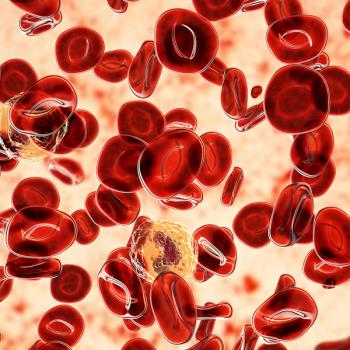
Treatment with the third-generation anti-CD19 CAR T-cell therapy HD-CAR-1 is feasible and safe in heavily pretreated chronic lymphocytic leukemia.
BXQ-350 was well tolerated and generated clinical activity in patients with advanced solid tumors.