A phase 2 study of intermittent ibrutinib dosing shows reducing cardiovascular toxicity while maintaining efficacy in CLL.
A phase 2 study of intermittent ibrutinib dosing shows reducing cardiovascular toxicity while maintaining efficacy in CLL.
The combination of nivolumab plus radiotherapy reduces rates of biochemical recurrence in gleason grade 5 prostate cancer.

Idoroenyi Amanam, MD, discusses characteristics that make patients with myelofibrosis most likely to derive benefit from certain JAK inhibitors.
Fox Chase Cancer Center hired Alexander R. Vartanov, MD, as an assistant professor in the Department of Bone Marrow Transplant and Cellular Therapies.
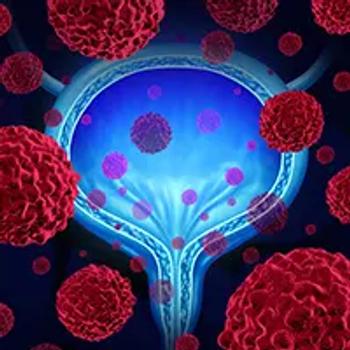
The SunRISe-2 trial of TAR-200 plus cetrelimab in muscle-invasive bladder cancer not undergoing radical cystectomy is being discontinued.
Perioperative treatment with pembrolizumab and adjuvant radiotherapy improved EFS vs adjuvant radiotherapy in locally advanced head and neck squamous cell carcinoma.

Neeraj Agarwal, MD, FASCO; Andrew J. Armstrong, MD, MSc; and Timothy A. Yap, MBBS, PhD, FRCP, detail the latest research on PARP1-selective inhibitors in oncology.
Saad Z. Usmani, MD, MBA, FACP, FASCO, expands on data from the CEPHEUS trial of D-VRd in transplant-ineligible/-deferred, newly diagnosed multiple myeloma.
Yuan Yuan, MD, PhD, discusses post-CDK4/6 inhibitor treatment options for HR-positive breast cancer and expansions of the definition of HER2 expression.
Isabel Preeshagul, DO, MBS, discusses ongoing efforts to expand treatment options for patients with extensive- or limited-stage small cell lung cancer.
NT-I7 with CAR T-cell therapy demonstrated an 81.1% objective response rate in relapsed DLBCL patients and a manageable safety profile.

Gotistobart plus pembrolizumab demonstrated antitumor activity and a manageable safety profile in platinum-resistant ovarian cancer.
Press Release
Cigall Kadoch, PhD, has been named as the Laureate of the Blavatnik National Awards for Young Scientists in the field of life sciences.
Illuccix has been approved in Canada for the selection of patients with mCRPC eligible for treatment with PSMA1-targeted radionuclide therapy.
ELVN-001 generated prolonged signals of clinical activity with a tolerable safety profile in patients with TKI-relapsed, -refractory, or -intolerant CML.
Joseph A. Sparano, MD, details the next generation of CDK inhibitors such as BLU-222 targeting CDK2 and PF-07220060 targeting CDK4.
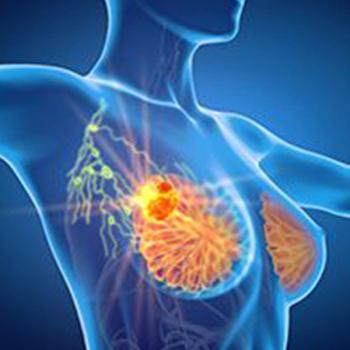
HLX11—a pertuzumab biosimilar—plus trastuzumab/docetaxel met the pCR end point in a phase 3 trial in early or locally advanced HER2-positive breast cancer.

Grzegorz S. Nowakowski, MD, discusses the methods and objectives of the part B expansion portion of the TakeAim Lymphoma study in patients with PCNSL.

Sponsored Content
Atezolizumab administered concurrently with chemoradiation failed to improve OS and PFS outcomes compared with standard chemoradiation alone in LS-SCLC.
Perioperative nivolumab receives FDA approval for resectable NSCLC, acalabrutinib sNDA gets priority review for MCL, and more from OncLive this week.
Yuan Yuan, MD, PhD, discusses the management of node-positive breast cancer and the need for guidance surrounding the use of ctDNA in breast cancer.
Here is your snapshot of all treatment options that the FDA approved in September 2024.
Isabel Preeshagul, DO, MBS, discusses considerations for treatment selection in the first and second line for patients with EGFR-mutated NSCLC.
Seth Wander, MD, PhD on novel anti-estrogen therapies that could expand treatment options in estrogen receptor–positive advanced breast cancer.

Press Release
Clinical trials may be inappropriately excluding some people with "Duffy-null phenotype," a trait found in people of African or Middle Eastern descent.
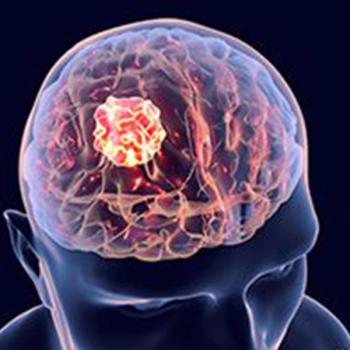
An update on PFS and OS data from the phase 1 MAGIC-G1 study of MTX110 in recurrent glioblastoma has been released.
The FDA has approved Cologuard Plus, a next-generation multitarget stool DNA test, for adults at least 45 years of age who are at average risk for CRC.
Chandler Park, MD, FACP, and Yan Leyfman, MD, discuss their partnership with OncLive and future goals for MedNews Week.
Grzegorz S. Nowakowski, MD, discusses the unique mechanism of action of emavusertib and highlights the phase 1/2 TakeAim Lymphoma trial in PCNSL.