
Treatment with sacituzumab govitecan led to antitumor activity in endometrial cancer and TROP-2 expression did not appear to affect response to the agent.
Treatment with sacituzumab govitecan led to antitumor activity in endometrial cancer and TROP-2 expression did not appear to affect response to the agent.

Press Release
Sanjay S. Reddy, MD, FACS, OF Fox Chase Cancer Center, recently received the center’s 2024 Medical Staff Executive Committee Faculty Citizenship Award.
The FDA has granted orphan drug designation to PT217 for the treatment of patients with neuroendocrine carcinoma.
The FDA has lifted a partial clinical hold on the phase 1 trial evaluating YL202 in advanced breast cancer and EGFR-mutated non–small cell lung cancer.
The EMA has validated a type II variation application for trastuzumab deruxtecan for select patients with HER2-low or -ultralow metastatic breast cancer.
The EMA has expanded the indication for lisocabtagene maraleucel to include the treatment of patients with relapsed or refractory follicular lymphoma.
Noah Kalman, MD, MBA, details new technology for treating head and neck cancer, and ongoing trials examining therapies at Miami Cancer Institute.
Neil J. Shah, MBBS, discusses real-world outcomes of patients with metastatic RCC receiving treatment in the post-IO/TKI setting following progression.
Rona Yaeger, MD, details the FDA approval of adagrasib plus cetuximab in KRAS G12C-mutated colorectal cancer and how the approval will advance the field.
Andrew Hantel, MD, discusses environmental and health impacts of decentralizing cancer care in response to high emissions generated by US health care.
Linda T. Vahdat, MD, discusses research with copper depletion in patients with high-risk triple-negative breast cancer.
Andrew Hantel, MD, discusses the evaluation of eligibility criteria in acute myeloid leukemia clinical trials that may perpetuate racial disparities.

Press Release
The new USC Norris location will feature new-to-market technology not yet available in Orange County
The FDA has accepted an NDA for vimseltinib for the treatment of patients with tenosynovial giant cell tumor, with a PDUFA date of February 17, 2025.
Tafasitamab plus lenalidomide and rituximab improved progression-free survival vs lenalidomide and rituximab in patients with relapsed/refractory follicular lymphoma.

Enzalutamide led to improved OS, PCS, TTS, and TTR vs abiraterone acetate in patients with metastatic castration-resistant prostate cancer.
Renee Maria Saliby, MD, MS, discusses potential intermediate end points for overall survival in previously treated metastatic renal cell carcinoma.
Investigators are developing preventive interventions to identify patients most at risk for financial toxicity and offer them assistance.
Acalabrutinib-containing regimens demonstrated long-term efficacy with a tolerable safety profile in higher-risk chronic lymphocytic leukemia.
The FDA has approved neoadjuvant durvalumab plus chemotherapy, followed by adjuvant durvalumab, for select resectable non–small cell lung cancer.
Head over to our YouTube channel to watch Dr Markman discuss the effects of information overload in oncology: https://rb.gy/bvumdn.
Suzanne Lentzsch, MD, PhD, discusses updated data from the LINKER-MM1 study of linvoseltamab in relapsed/refractory multiple myeloma.
Linda T. Vahdat, MD, discusses investigations of ADCs and targeted agents in patients with TNBC and residual disease following chemoimmunotherapy.
Researchers at Fox Chase Cancer Center have identified factors that could decrease incidence of prostate cancer in areas where rates are highest.
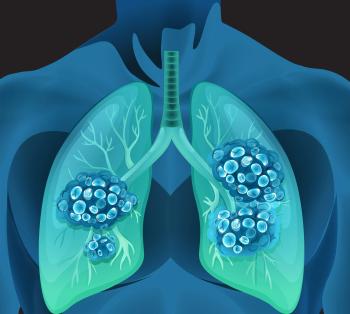
Ivonescimab has been granted priority review in China for the frontline treatment of patients with PD-L1–positive locally advanced or metastatic NSCLC.
The FDA granted priority review to durvalumab in limited-stage small cell lung cancer after platinum-based concurrent chemoradiotherapy.
Brian Rini, MD, and Robert Uzzo, MD, MBA, FACS, highlight the utility of the potential biomarker KIM-1 in renal cell carcinoma.
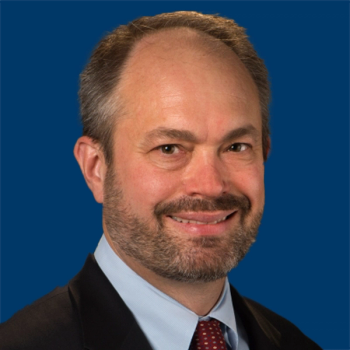
Pirtobrutinib was safe and demonstrated activity in patients with Richter transformation, according to a subgroup analysis of the BRUIN trial.
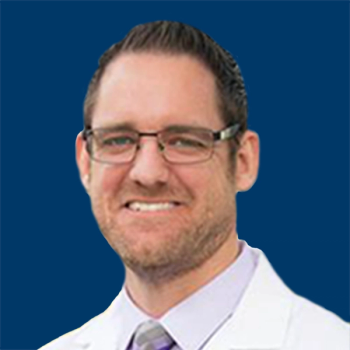
Geoffrey Shouse, DO, PhD, discusses the benefits of utilizing targeted therapy approaches in the treatment of patients with follicular lymphoma.
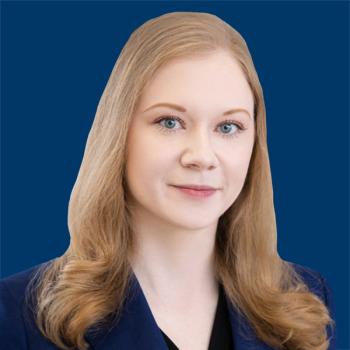
A study led by experts at Roswell Park Comprehensive Cancer Center suggests that e-cigarette use may help some people quit using combustible cigarettes.