
Systematic identification of minor histocompatibility antigens informs outcomes after allogeneic stem cell transplantation.
Systematic identification of minor histocompatibility antigens informs outcomes after allogeneic stem cell transplantation.

Elias Jabbour, MD, discusses the potential activity and financial benefit of novel and emerging TKIs for first-line management of chronic phase CML.
The FDA has approved a new presentation of bortezomib for subcutaneous or intravenous administration.

Seema Nagpal, MD, discusses the significance of the FDA approval of vorasidenib for adult and pediatric patients with IDH1/2-mutant glioma.

Peter Abdelmessieh, DO, MSC, discusses the phase 1 trial testing the combination of talazoparib and pacritinib in myeloproliferative neoplasms.
ABD-147 has received orphan drug designation from the FDA for use in patients with neuroendocrine carcinoma.

Pyrotinib paired with metronomic vinorelbine was safe and displayed efficacy in HER2-positive advanced breast cancer after prior trastuzumab.

The investigation of treatments harnessing the immune system in patients with T-cell lymphoma could lead to "a new era" of therapy for this patient population.

Leah Grandi Holben, MD, joined Fox Chase Cancer Center as an assistant professor in the General Hematology/Oncology Program.
The FDA has granted fast track designation to the MCR1-targeted theranostic ligand VMT01 for unresectable or metastatic melanoma.
Certepetide has been granted orphan drug designation by the FDA for the treatment of patients with cholangiocarcinoma.

Debra Patt, MD, PhD, MBA, FASCO, highlights considerations with financial burdens that will be placed on community providers and oncology practices.
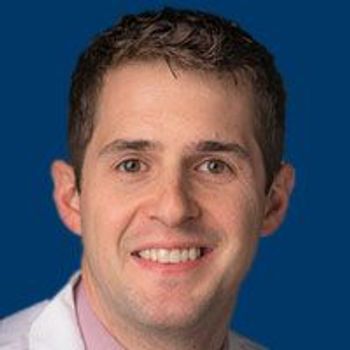
Reid W. Merryman, MD, discusses notable advancements with minimal residual disease assays in lymphoma.
R. Lor Randall, MD, FACS, details how he treats patients with TGCTs and the potential of vimseltinib to join pexidartinib in the treatment landscape.

Tisagenlecleucel is moving to earlier lines of therapy for pediatric and young adult patients with relapsed/refractory B-cell acute lymphoblastic leukemia.
Solange Peters, MD, PhD, discusses ways to refine checkpoint inhibition in the treatment of non–small cell lung cancer.

The ASCO Palliative Care Expert Panel has offered recommendations to add health equity measures to their palliative care and other future guidelines.

Racial/ethnic minorities are often diagnosed with lung cancer at later stages than White patients but that disadvantage is smaller in Hispanic populations.
The FDA has granted fast track designation to IBI363 for unresectable advanced or metastatic melanoma after progression on at least 1 line of therapy.
The phase 3 IOB-013/KN-D18 trial of IO102-IO103 plus pembrolizumab in advanced melanoma will continue without modifications.
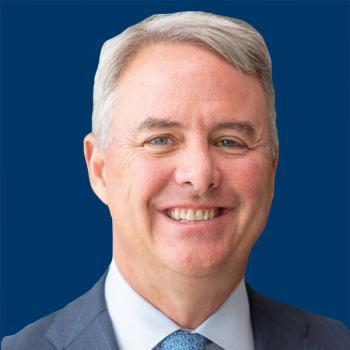
Jeff Patton, MD, details considerations with the Medicare Drug Price Negotiation Program Draft Guidance and its effects in the community setting.

Rashad Nawfal, MD, discusses the association between radiologic tumor burden and OS in patients with metastatic ccRCC who had received frontline IO.
Here is your snapshot of all therapeutic options that the FDA approved in August 2024 and their clinical implications.

The FDA approved companion diagnostics for olaparib plus abiraterone in metastatic castration-resistant prostate cancer.
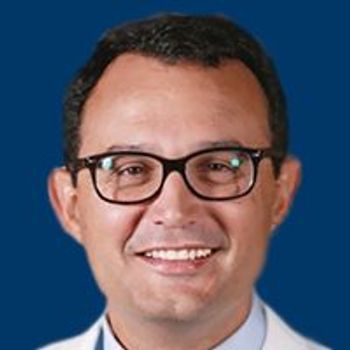
The phase 3 ELEMENT-MDS trial aims to expand access to luspatercept for anemia in non-transfusion dependent lower-risk MDS.

Sujith Samarasinghe, BSc, MBBS, MRCPCH, FRCPath, PhD, discusses the use of blinatumomab in children with Down syndrome acute lymphoblastic leukemia.
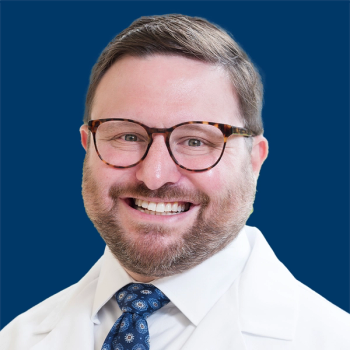
Eric Goodlev, MD, has joined Fox Chase Cancer Center as an associate Professor in the Supportive Oncology and Palliative Care Program.

Azercabtagene zapreleucel produced complete responses in relapsed/refractory diffuse large B-cell lymphoma after prior autologous CAR T-cell therapy.
The FDA has granted fast track designation to the allogeneic CAR T-cell therapy CB-012 for relapsed/refractory acute myeloid leukemia.