

Updated data from a phase 1/2 study showed positive overall survival outcomes with Bria-IMT plus a checkpoint inhibitor in metastatic breast cancer.
Updated data from a phase 1/2 study showed positive overall survival outcomes with Bria-IMT plus a checkpoint inhibitor in metastatic breast cancer.
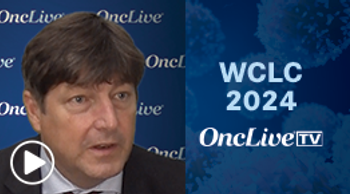
T. Jeroen N. Hiltermann, MD, discusses findings from phase 1/2 ARTEMIDE-01 trial.

Patients with EGFR-mutated NSCLC demonstrated reduced symptom progression when treated with amivantamab plus lazertinib vs osimertinib.

T-DXd showed clinical activity regarding responses and survival outcomes in patients with pretreated HER2-overexpressed metastatic non–small cell lung cancer.
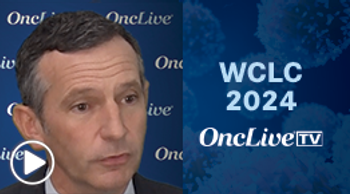
Benjamin Besse, MD, PhD, discusses findings from the phase 3 CARMEN-LC03 trial.
The FDA has granted orphan drug designation to the novel GSK-3β inhibitor elraglusib for the treatment of patients with soft tissue sarcoma.

Changes that occur with age in male skin fibroblasts resulted in an increase in the spread of melanoma cells, according to new research from Fox Chase.

For more first-hand insights, head over to our YouTube channel to watch Dr Markman discuss the effects of information overload in oncology: https://rb.gy/bvumdn.

Luis Raez, MD, highlights considerations with phases of treatment in lung cancer, detailing factors affecting use of adjuvant therapy when a patient has a complete response.

Targeting IRAK4 with emavusertib could be a viable treatment option that offers needed blood-brain barrier penetration in PCNSL.
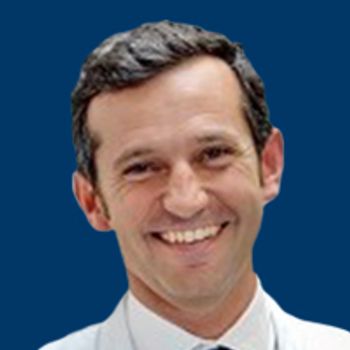
Tusamitamab ravtansine vs docetaxel was not significantly different regarding survival in patients with advanced nonsquamous non–small cell lung cancer.

Taletrectinib was safe and generated durable responses in both TKI-naive and -pretreated patients with ROS1-positive non–small cell lung cancer.
Neoadjuvant durvalumab plus chemotherapy and adjuvant durvalumab improves event-free survival in stage IIA-IIIB resectable non–small cell lung cancer vs. placebo.

Xiuning Le, MD, PhD, discusses updated findings from the phase 1/2 SOHO-01 trial.

The safety profile of adjuvant alectinib was tolerable and manageable in ALK-positive NSCLC.
Tarlatamab demonstrated durable responses and long-term tolerability in patients with previously treated small cell lung cancer.

Rilvegostomig induced responses with acceptable tolerability in patients with checkpoint inhibitor-naive, metastatic NSCLC.
Natasha B. Leighl, MD, BSc, MMSc, discusses patient satisfaction and resource utilization results from the phase 3 PALOMA-3 study.

About 8 to 10 million Americans over 40 have excess white blood cells, which may increase their risk of melanoma.
THIO followed by cemiplimab generated a potential overall survival benefit in third-line advanced non–small cell lung cancer.
HER2DX showed a strong association between ERBB2 mRNA score and survival outcomes in tumor samples from patients with advanced HER2-positive breast cancer.

Pacritinib led to improved hematologic outcomes and overall survival in real-world patients with myelofibrosis.

Luis Raez, MD, details several potential lung cancer biomarkers under investigation including the plasma proteomics–based PROphet test.

Joshua K. Sabari, MD, discusses the significance of the FDA approval of first-line amivantamab plus lazertinib for patients with EGFR-mutant NSCLC.

Neoadjuvant pembrolizumab plus chemotherapy led to greater pathologic regression vs placebo plus chemotherapy in early-stage non–small cell lung cancer.
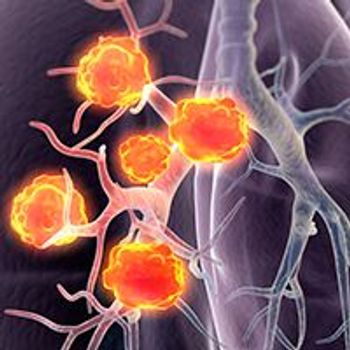
The combination of osimertinib/savolitinib demonstrated a significant improvement in ORR in de novo MET-aberrant, EGFR-mutant advanced NSCLC.

Treatment with firmonertinib was safe and effective for patients with EGFR P-loop and αC-helix compressing-mutated non–small cell lung cancer.
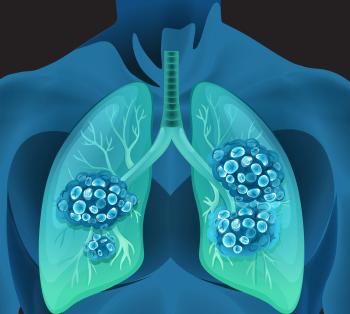
Treatment with aumolertinib led to an improvement in progression-free survival in unresectable, stage III, EGFR-mutated non–small cell lung cancer.

Zanubrutinib was associated with lower treatment switching rates vs acalabrutinib and ibrutinib in real-world chronic lymphocytic leukemia.

Zongertinib demonstrated clinically meaningful efficacy in previously treated HER2-mutated non–small cell lung cancer.