

The Shield blood test has been approved by the FDA for CRC screening in adults aged 45 years and older who are at average risk for the disease.
The Shield blood test has been approved by the FDA for CRC screening in adults aged 45 years and older who are at average risk for the disease.

The EMA’s CHMP has recommended toripalimab plus chemotherapy for metastatic nasopharyngeal carcinoma and advanced esophageal squamous cell carcinoma.

Fixed-duration acalabrutinib plus venetoclax with or without obinutuzumab elicited favorable PFS outcomes in previously untreated chronic lymphocytic leukemia.
A panel of oncologists engage in a case-based discussion of patients with locally advanced disease at the 25th Annual International Lung Cancer Congress.

Sara M. Tolaney, MD, MPH, shares biopsy considerations when determining HER2-low status for patients with TNBC and details data within the TNBC landscape.

David R. Gandara, MD, discusses research reflecting the capabilities of ctDNA assays to detect MRD and prognosticate adjuvant NSCLC treatment outcomes.
Paolo Tarantino, MD, discusses current treatment landscapes and looks to the future in HER2-low breast cancer, HER2-positive breast cancer, and TNBC.

Frontline pembrolizumab, carboplatin, and paclitaxel demonstrated antitumor activity in recurrent or metastatic head and neck squamous cell carcinoma.

Michelle Mendoza, PhD, and Jeffrey Weiss, PhD, received a $2.6 million grant from the NIH to research how tension in lung tissue affects the growth and distribution of tumors.

The EMA's CHMP has recommended zolbetuximab plus chemotherapy in select locally advanced unresectable or metastatic HER2-negative gastric or GEJ cancer.

The EMA’s CHMP has recommended the approval of amivantamab plus chemotherapy for pretreated, EGFR-mutated advanced non–small cell lung cancer.

First-line sugemalimab plus chemotherapy has been approved in Europe for metastatic non–small cell lung cancer.

The CHMP has recommended pembrolizumab plus enfortumab vedotin-ejfv in frontline unresectable or metastatic urothelial carcinoma.
Jonathan W. Riess, MD, MS, and James Chih-Hsin Yang MD, PhD, debate the benefits of upfront osimertinib with/without chemotherapy in EGFR-mutant NSCLC.
Sara M. Tolaney, MD, MPH, discusses the transformation of treatments for patients with triple-negative breast cancer.
Adrienne G. Waks, MD, discusses the potential for pCR-guided treatment and highlights therapies for patients with residual disease beyond T-DM1.

NICE recommends pembrolizumab plus platinum- and fluoropyrimidine-based chemotherapy for untreated HER2-negative advanced gastric or GEJ adenocarcinoma.

Atezolizumab administered before and following chemoradiation appeared to be safe and efficacious in unresectable stage III non–small cell lung cancer.
Should the FDA require that new trial design proposals for perioperative regimens for resectable NSCLC include adequate within trial assessment?
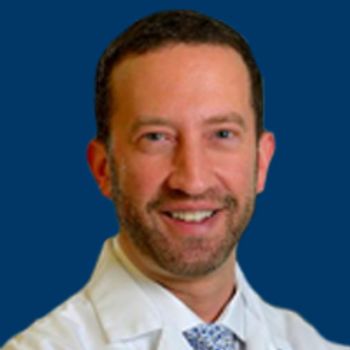
Richard Bleicher, MD, FACS, has been named 2023-2024 University of Texas MD Anderson Cancer Center Breast Surgical Oncology Fellowship’s Annual Distinguished Commencement Visiting Professor.

Health Canada has granted full approval to dostarlimab monotherapy for patients with recurrent or advanced dMMR/MSI-H endometrial cancer.

Donor fecal microbiota transplants increased the activity of immunotherapy in patients with GI cancers.

Bintrafusp alfa elicited responses in patients with recurrent/metastatic cervical cancer, warranting further exploration of TGF-β-targeted therapies.
The FDA has accepted the resubmission of a BLA for cosibelimab in advanced or metastatic cutaneous squamous cell carcinoma.

Time-limited acalabrutinib plus obinutuzumab produced responses in treatment-naive chronic lymphocytic leukemia.
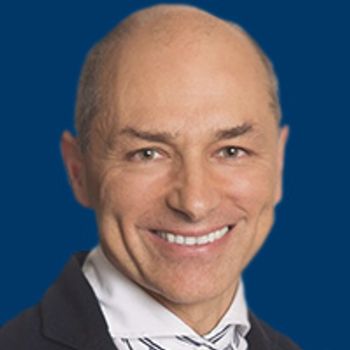
Lajos Pusztai, MD, DPhil, discusses molecular residual disease monitoring in early-stage breast cancer.

Blinatumomab added to consolidation chemotherapy led to a significant OS benefit in MRD-negative B-cell precursor acute lymphoblastic leukemia.
Paolo Tarantino, MD, discusses questions about the optimal sequencing of antibody-drug conjugates in endocrine-refractory, HR-positive breast cancer.

Shubham Pant, MD, MBBS, discusses findings from the phase 2b HERIZON-BTC-01 study of zanidatamab in pretreated HER2-positive biliary tract cancer.

Eileen M. O'Reilly, MD, details how RAS-directed therapy could potentially change the pancreatic cancer landscape and highlights updated data in the space.