

High-intensity focused ultrasound produced noninferior salvage treatment-free survival vs radical prostatectomy in localized prostate cancer.
High-intensity focused ultrasound produced noninferior salvage treatment-free survival vs radical prostatectomy in localized prostate cancer.
Cretostimogene grenadenorepvec elicited durable responses in high-risk BCG-unresponsive non–muscle-invasive bladder cancer with carcinoma in situ.
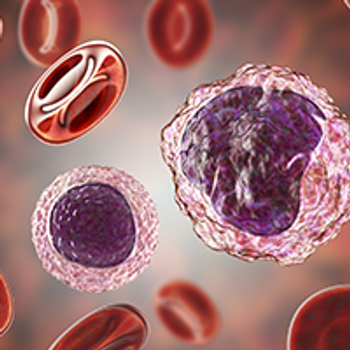
The CAR T-cell therapy NXC-201 has received orphan drug designation from the European Commission for patients with multiple myeloma.

A phase 2 trial of stenoparib in advanced recurrent ovarian cancer has been closed early to enable a follow-on trial with FDA regulatory intent.
Press Release
Florida Cancer Specialists & Research Institute, LLC is calling for reform in value-based oncology care modeling.
Rebecca Klisovic, MD, discusses 4 case studies of patients who presented with varying types of myelofibrosis and the appropriate treatment avenues for each patient.

Leland Metheny, MD, discusses ongoing clinical trials and their implications for the field of hematologic oncology.
Erin Frances Cobain, MD, discusses unanswered questions regarding the use of ribociclib and immunotherapy in early-stage breast cancer.
Kian-Huat Lim, MD, PhD, discusses the role of multidisciplinary collaboration and clinical trials in the treatment of pancreatic cancer.

Changchun Deng, MD, PhD, discusses factors to consider when sequencing covalent BTK inhibitors and venetoclax in patients with CLL/SLL.
Jonathan E. Rosenberg, MD, discusses how recent FDA approvals have revolutionized the treatment paradigm for locally advanced or metastatic bladder cancer.

Acalabrutinib plus bendamustine and rituximab (BR) led to a statistically significant improvement in PFS vs BR for treatment-naive mantle cell lymphoma.
Fox Chase Cancer Center researchers showed that estrogen is metabolized in lungs, contributing to the development of lung cancer in never smokers.

Eftilagimod alpha plus radiotherapy and pembrolizumab was safe and displayed initial activity in soft tissue sarcoma.
A multipeptide vaccine combination approach with 12MP plus 6MHP vs 12MP plus tet extended overall survival in patients with stage IIB to IV melanoma.
Karim Chamie, MD, discusses the significance of the FDA approval of N-803 plus BCG in BCG-unresponsive non–muscle invasive bladder cancer.
A chemotherapy-free regimen of trastuzumab plus pertuzumab generated a strong 3-year iDFS rate in patients with HER2-positive early breast cancer.
The United States Preventive Services Task Force final breast cancer screening recommendation statement advises that women aged 40 begin biennial screening.

Neli Ulrich, PhD, MS, of Huntsman Cancer Institute, has been awarded the 2024 Governor’s Medal for Science and Technology.
SLS009 plus venetoclax and azacitidine elicited responses in patients with relapsed/refractory AML, particularly in those harboring ASXL1 mutations.

Treatment with EVT801 was well tolerated and led to a stable disease rate of 46% in patients with advanced ovarian cancer.

Frontline pembrolizumab plus trastuzumab/chemotherapy improved overall survival in HER2-positive, unresectable or metastatic gastric/GEJ cancer.
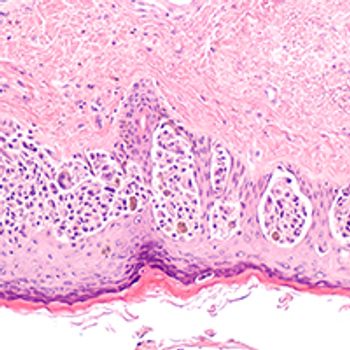
Immunogenomic information displays predictive capability in terms of immunotherapy resistance in metastatic uveal melanoma.

Press Release
The 15 inductees have been selected by their peers for their remarkable achievements in oncology research and clinical practice.

Glecirasib elicited responses and demonstrated a manageable safety profile in patients with pretreated advanced NSCLC harboring KRAS G12C mutations.
Kian-Huat Lim, MD, PhD, discusses the current treatment landscape for metastatic pancreatic cancer.
Benjamin Tomlinson, MD, discusses the first-line approval of luspatercept and other ongoing research in low-risk MDS.
R. Lor Randall, MD, FACS, discusses research examining ALDH1A1 and CD44, potential markers of osteosarcoma stem cells, and how further research may be warranted with cancer stem cells.

Two new grants from the U.S. Department of Defense will support Sylvester Comprehensive Cancer Center studies of endometrial cancer in Black women.

The investigational therapy IGNK001 has received orphan drug designation from the FDA for patients with acute myeloid leukemia.