

Sattva S. Neelapu, MD, discusses the optimal processes of CAR T-cell therapy administration and the remaining unmet needs in the space.
Sattva S. Neelapu, MD, discusses the optimal processes of CAR T-cell therapy administration and the remaining unmet needs in the space.
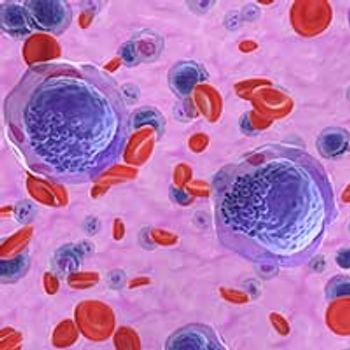
Radiation therapy is a critical component of cancer care that is currently being used in approximately 50% of all patients with cancer.

Rebecca Porter, MD, PhD, discusses mirvetuximab soravtansine plus pembrolizumab in serous endometrial cancer and future directions for ADCs in the space.
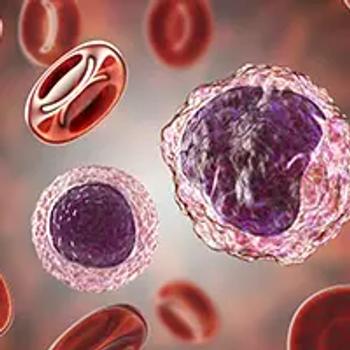
WU-CART-007 has received RMAT and PRIME designations in relapsed/refractory T-cell acute lymphoblastic leukemia and T-cell lymphoblastic lymphoma.
Kara Stromberg, MS, RD, LDN, CDCES, was recognized by the Pennsylvania Academy of Nutrition and Dietetics as a Keystone Award winner.
Mazyar Shadman, MD, MPH, details the efficacy of BTK inhibitors in the frontline treatment of CLL as well as safety considerations in the relapsed/refractory setting.

The FDA has withdrawn the approval of infigratinib for previously treated, FGFR2-positive, advanced cholangiocarcinoma.
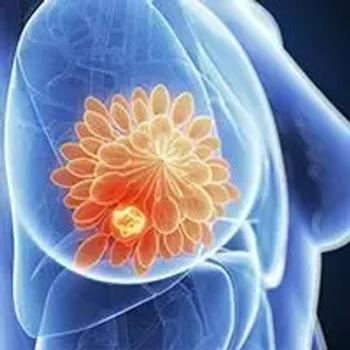
A real-world study dives into treatment sequencing data and indicates most patients with HER2-positive metastatic breast cancer discontinued second-line treatment in the US.

The AACR issues a call to action and cites progress, needed improvements, and key statistics in their Cancer Disparities Progress Report 2024.
TSP is a reliable marker of clinical outcome measures, including platinum chemoresistance, PFS, and OS, in high-grade serous ovarian cancer.

Dose reductions of ribociclib plus an NSAI did not decrease the regimen’s efficacy in patients with HR-positive, HER2-negative early breast cancer.
PF-07220060 plus endocrine therapy was tolerable and generated robust response rates in HR-positive, HER2-negative metastatic breast cancer.
Adding denosumab to neoadjuvant nab-paclitaxel did not improve 5-year invasive disease-free survival rates in patients with early-stage breast cancer.
Sattva S. Neelapu, MD, discusses the current standing of CAR T-cell therapies in the treatment paradigm in lymphoma.

Fox Chase Cancer Center researchers showed that in men who underwent prostate cancer surgery, urinary sphincter function improved with adjuvant radiation.

NVL-655 has received FDA breakthrough therapy designation for patients with pretreated ALK-positive non-small cell lung cancer.
To combat the rising costs of cancer care, clinicians are partnering with managed service organizations to handle the business aspects of practice.
Jorge J. Nieva, MD, details the benefits of telemedicine and a first-of-its-kind clinical trial where patients with NSCLC will receive subcutaneous immunotherapy at home.

Capivasertib plus fulvestrant improved time to second progression in patients with pretreated HR-positive, HER2-negative advanced breast cancer.

Trastuzumab deruxtecan demonstrated superior long-term survival and response rates vs treatment of physician’s choice in HER2-positive breast cancer.
Ipatasertib plus trastuzumab and pertuzumab as frontline maintenance therapy was effective and safe in PIK3CA-mutant, HER2-positive advanced breast cancer.
The FDA has granted accelerated approval to tarlatamab for the treatment of patients with ES-SCLC with disease progression on or after platinum-based chemotherapy.

Datopotamab deruxtecan was associated with lower rates of high-grade TRAEs vs chemotherapy in the phase 3 TROPION-Breast01 trial.
The FDA will hold an end-of-phase 2 meeting to discuss botensilimab plus balstilimab for the treatment of patients with relapsed/refractory metastatic colorectal cancer.

Vepdegestrant plus palbociclib maintained clinical efficacy and safety in patients with pretreated, advanced ER-positive, HER2-negative breast cancer.
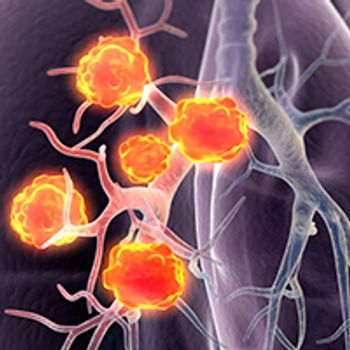
Seeking a second opinion, Arthur “Art” Gillespie turned to Northwestern Medicine for a life-saving double-lung transplant procedure.
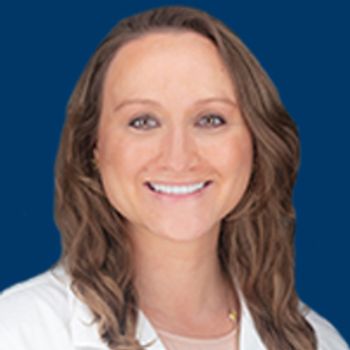
Bruna Pellini, MD, highlights the multiple immunotherapies currently available for patients with NSCLC in the perioperative setting and elucidates ctDNA’s role in the treatment paradigm.

Carol M. Mangione, MD, discusses the ramifications of the US Preventative Task Force’s April decision to update the breast cancer screening guidelines.

Atezolizumab plus chemotherapy did not improve OS vs chemotherapy alone in select patients with early relapsing triple-negative breast cancer.

Olaparib, durvalumab, and fulvestrant produced a 66.7% 24-week PFS rate in patients with endocrine-resistant, ER-positive, HER2-negative breast cancer.