Toni K. Choueiri, MD, sheds light on the excitement surrounding the CABOSUN and CheckMate-214 trials, and why the future of the renal cell carcinoma field lies in novel combination regimens.
Toni K. Choueiri, MD, sheds light on the excitement surrounding the CABOSUN and CheckMate-214 trials, and why the future of the renal cell carcinoma field lies in novel combination regimens.

The FDA has accepted a supplemental new drug application for lenvatinib as a frontline systemic treatment for patients with advanced hepatocellular carcinoma.

Charles Ryan, MD, discusses the evolution of zoledronic acid and denosumab, and the future role of radium-223 as it begins to be studied in combination regimens in prostate cancer.

Sumanta Kumar Pal, MD, discusses the scope of exciting genitourinary cancer data presented at the 2017 ESMO Congress, with a sharp focus on the CABOSUN and CheckMate-214 trials.

Patients with advanced renal cell carcinoma with bone metastases had reductions in bone-turnover markers when treated with radium-223 dichloride and a VEGF inhibitor, although the incidence of symptomatic skeletal events remained high.
Half of patients with melanoma who progressed on anti-PD-1/PD-L1 therapy benefited from the combination of nivolumab and the LAG-3 inhibitor relatlimab.

Patients with metastatic renal cell carcinoma appeared to derive a substantial survival benefit with rocapuldencel-T, an immunotherapy made from dendritic cells.
Axel Grothey, MD, discusses current first-line treatments for patients with CRC and the importance of developing biomarkers for this population.

Tim G. Larson, MD, discusses emerging data involving immunotherapy for patients with microsatellite instability (MSI)/microsatellite stable (MSS) colorectal cancer (CRC) and highlighted some of the identified molecular mutations in patients with CRC

Steven R. Alberts, MD, discusses current advancements being made for patients with advanced liver cancer.

The European Commission has granted regulatory approval to atezolizumab monotherapy for the treatment of patients with previously-treated locally advanced or metastatic non-small cell lung cancer and previously-treated locally advanced or metastatic urothelial carcinoma.

The FDA has granted an accelerated approval to nivolumab for the treatment of patients with hepatocellular carcinoma following prior sorafenib.

Guy Young, MD, discussed the use of anticoagulants in managing thromboembolic events in pediatric cancer.
The FDA has approved pembrolizumab for the treatment of patients with PD-L1–positive recurrent or advanced gastric or gastroesophageal junction adenocarcinoma who have received 2 or more lines of chemotherapy, including fluoropyrimidine- and platinum-containing chemotherapy, and, if appropriate, HER2/neu-targeted therapy.

Treatment with the BCL-2 inhibitor venetoclax (Venclexta) led to negative minimal residual disease (MRD) status in 40% of evaluable patients with relapsed/refractory chronic lymphocytic leukemia.

Women with node-positive stage IIIC endometrial cancer assigned to adjuvant chemoradiation therapy had better survival than those assigned to chemotherapy or radiation therapy alone.

Dose-dense chemotherapy could be a superior option for adjuvant treatment of endometrial cancer compared with standard chemotherapy.

Giampero (John) A. Martignetti, MD, PhD, explains that more large-size clinical trials need to be conducted to answer some of the burgeoning questions in the fallopian tube and ovarian cancer landscape.
Rahul Aggarwal, MD, discussed the success of recent studies of androgen-deprivation therapy in prostate cancer, as well as its future utilization in various stages of disease.

Some patients with mantle cell lymphoma can delay treatment without experiencing negative outcomes, according to findings from a population-based study.

The European Commission has approved avelumab (Bavencio) for the treatment of patients with metastatic Merkel cell carcinoma.

Heinz-Josef Lenz, MD, discusses his study of molecular variations between small bowel adenocarcinomas, right-sided colon cancers, and gastroesophageal cancers.
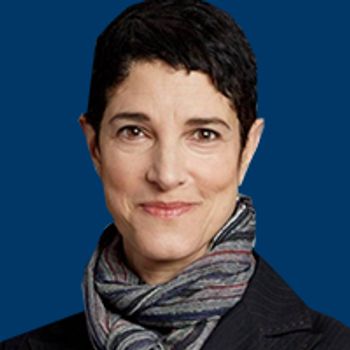
Ophira Ginsburg, MD, discusses hereditary ovarian cancer, the occasional reluctance in testing, multigene panels, and the understanding of variants of uncertain significance.

Matthew R. Cooperberg, MD, discusses the benefits associated with active surveillance for patients with low-risk prostate cancer, as well as the development of personalized medicine.

The neutrophil-to-lymphocyte ratio is an independent factor for overall survival in patients with metastatic melanoma, whether they receive targeted therapy or immunotherapy.

In a multi-institutional collaborative study, scientists at The Wistar Institute and the Medical University of Vienna, Austria, have identified the role of tumor-infiltrating or tumor-associated B-cells (

Tisagenlecleucel (Kymriah) induced a complete remission with complete or incomplete hematologic recovery in 83% of pediatric, adolescent, and young adult patients with acute lymphoblastic lymphoma.
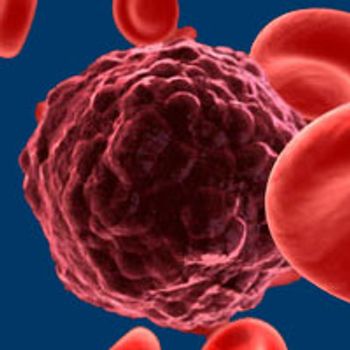
The effort to improve outcomes in pediatric acute lymphoblastic leukemia should follow insight provided by next-generation sequencing and appropriate use of minimal residual disease criteria.
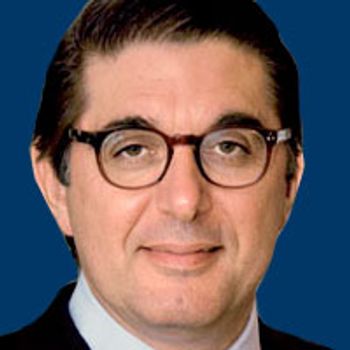
The European Commission has approved midostaurin (Rydapt) for adults with newly diagnosed FLT3-positive acute myeloid leukemia and advanced systemic mastocytosis.

Treatment with the autologous anti-CD19 CAR T-cell therapy axicabtagene ciloleucel significantly improved outcomes in refractory non-Hodgkin lymphoma compared with standard therapies.