
Results from a systemic review and meta-analysis of data collected from nearly 45,000 women treated for cervical precancer found that high-risk HPV posttreatment was a more accurate predictor of treatment failure than incomplete rescission.
Results from a systemic review and meta-analysis of data collected from nearly 45,000 women treated for cervical precancer found that high-risk HPV posttreatment was a more accurate predictor of treatment failure than incomplete rescission.

Suresh A. Ramalingam, MD, discusses some of the changes to the NCCN guidelines in non-small cell lung cancer, specifically with EGFR-mutation–positive disease, and how the frontline recommendation of osimertinib will impact clinical practice.

Pembrolizumab (Keytruda) induced an overall response rate of 30% in patients with heavily pretreated, PD-L1–positive advanced esophageal carcinoma.
Leo I. Gordon, MD, discusses promising advances and lingering challenges with novel treatments for patients with hematologic malignancies.
Johanna Bendell, MD, discusses the current and emerging treatment landscape of immunotherapy for patients with CRC.

Cathy Eng, MD, discusses optimizing sequencing beyond disease progression in CRC.

Hans-Joachim Schmoll, MD, discusses updated CHARTA findings, the current role of chemotherapy in patients with metastatic colorectal cancer (CRC), and his predictions for the future CRC treatment landscape.
The combination of cabiralizumab and nivolumab resulted in intriguing objective response rates in heavily pretreated patients with metastatic pancreatic cancer.

Neoadjuvant nivolumab plus ipilimumab demonstrated almost a tripling in objective response rate compared with the PD-1 inhibitor alone but at the cost of significant added grade 3 adverse events for patients with high-risk resectable melanoma.
The combination of the CD122-biased cytokine NKTR-214 and the PD-1 inhibitor nivolumab demonstrated target lesion reductions of 72% for patients with advanced cancers.

A lot of information goes into the electronic health record, but doctors complain that it's not that easy to get useful information out of it.
The combination of nivolumab and BMS-986205 generated promising response rates without increasing adverse effects in patients with advanced cervical or bladder cancers.

Nivolumab demonstrated a 24% overall response rate among patients with a range of non-colorectal cancers with mismatch repair deficiency who were identified through the NCI-MATCH trial.

The high rates of cerebral edema seen with JCAR015 in the phase II ROCKET trial were attributed to early and rapid chimeric antigen receptor (CAR)-modified T-cell expansion and a rise in interleukin-15 levels, a finding that could help inform future CAR T-cell usage.

The European Medicines Agency's Committee for Medicinal Products for Human Use has recommended approval of the bevacizumab biosimilar ABP 215 for the treatment of patients across several tumor types.

The FDA has approved dasatinib (Sprycel) for the treatment of pediatric patients with Philadelphia chromosome-positive chronic myeloid leukemia in chronic phase.
The FDA has approved brentuximab vedotin (Adcetris) as a treatment for patients with cutaneous T-cell lymphoma who have received prior systemic therapy.

Gerard Zalcman, MD, discusses the promise of immunotherapy in patients with mesothelioma.

Marina C. Garassino, MD, discusses the evolving paradigm of immunotherapy in NSCLC, with a specific focus on durvalumab and the role of combination therapy.

The FDA has approved letermovir to prevent cytomegalovirus infection and disease in adult CMV-seropositive patients treated with an allogeneic hematopoietic stem cell transplant.

Funds will help support rare cancer research and families in need.

Topline results from the MONALESSA-7 trial showed that ribociclib met its primary endpoint for progression-free survival in premenopausal women with hormone-receptor
Mathieu Lupien, MD, discusses this analysis of the influence of mutations on the epigenetics of prostate cancer.

Charles Drake, MD, PhD, discusses the current status of both PARP inhibitors and immunotherapy in prostate cancer, emphasizing that immunotherapy is still very much a player in the prostate cancer field, with ongoing trials exploring checkpoint inhibitors.

E. David Crawford, MD, discusses the controversy surrounding the Prostate, Lung, Colorectal, and Ovarian Cancer Screening Trial, as well as the role of prostate-specific antigen testing for men with prostate cancer.
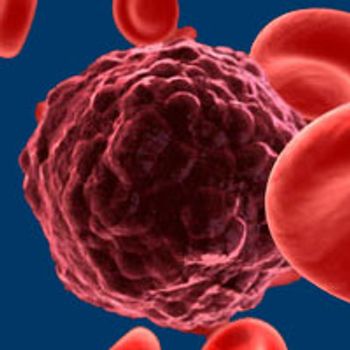
The FDA today lifted clinical holds placed on 2 phase I trials investigating a gene-edited allogeneic CAR T-cell therapy known as UCART123.
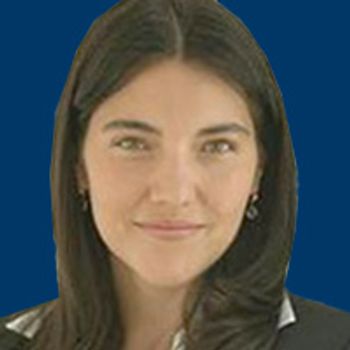
Andrea Apolo, MD, discusses the combination of cabozantinib plus nivolumab and ipilimumab, as well as the latest data on avelumab in urothelial carcinoma.

Nivolumab reduced the risk of death by 26% compared with everolimus in patients with previously treated advanced renal cell carcinoma.
Adam Waxman, MD, discusses emerging regimens for patients with multiple myeloma.

The European Medicines Agency (EMA) has received a Marketing Authorization Application (MAA) for tisagenlecleucel (Kymriah) for 2 forms of advanced lymphoma.