

The NCCN guidelines now recommend a naxitamab-based regimen for high-risk neuroblastoma.
The NCCN guidelines now recommend a naxitamab-based regimen for high-risk neuroblastoma.

The Signatera MRD assay was associated with high levels of sensitivity and specificity in sarcomas.

Neoadjuvant T-DXd plus THP significantly improved pCR rates in HER2+ early breast cancer.

The addition of VCN-01 to gemcitabine and nab-paclitaxel improved survival in newly diagnosed metastatic pancreatic cancer.

OncLive announces the inductees of the 13th annual Giants of Cancer Care recognition program.

Study investigators are aiming to leverage therapy resistance, particularly in patients with solid tumors after receiving available RAS inhibitors.

Ultra-low PSA responses were linked with prolonged rPFS and delayed times to mCRPC and PSA progression for patients with mHSPC treated with darolutamide.
Early progression or death within 24 months of first-line treatment was linked to inferior survival in mantle cell lymphoma.

Petros Grivas, MD, PhD, discusses key findings from the NIAGARA trial and how these data support the use of perioperative durvalumab in MIBC management.
The addition of elraglusib to gemcitabine and nab-paclitaxel improved overall survival is first-line metastatic pancreatic cancer.

Hackensack Meridian JFK University Medical Center has expanded its comprehensive cancer care services with the opening of a newly renovated, four-story facility at 80 James Street in Edison, NJ
The FDA has granted fast-track designation to givinostat for the treatment of patients with polycythemia vera.

The European Commission has approved acalabrutinib plus bendamustine and rituximab for previously untreated, transplant-ineligible mantle cell lymphoma.

Shannon Westin, MD, MPH, FACOG, contextualizes data from an exploratory biomarker analysis of the phase 3 DUO-E trial in pMMR recurrent endometrial cancer.
The next-generation ADC ARX788 is under investigation in the phase 2 ACE-Breast-03 trial of patients with T-DXd–pretreated HER2-positive breast cancer.
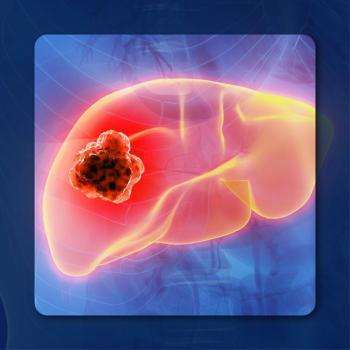
Phase 1 data support further exploration of botensilimab plus balstilimab in patients with hepatocellular carcinoma.

The combination of nivolumab and ipilimumab was associated with longer 12-month OS vs standard of care in non–clear cell renal cell carcinoma.

The DLL3- and CD3-targeted BiTE obrixtamig is being evaluated in patients with SCLC and other neuroendocrine cancers in the phase 2 DAREON-5 study.

Dana-Farber Cancer Institute opened the Ning Zhao & Ge Li Simulation Center, which is devoted exclusively to ambulatory oncology care.
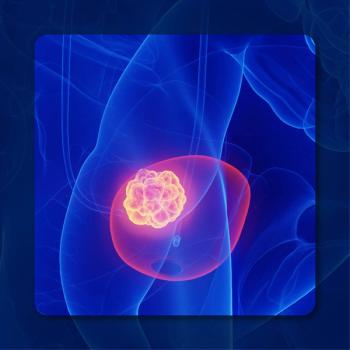
A meeting has been requested to address the FDA's refusal to file an sBLA for nogapendekin alfa inbakicept plus BCG in BCG-unresponsive papillary NMIBC.

Treatment with eftilagimod alpha plus pembrolizumab produced a median OS of 17.6 months in the first line for patients with PD-L1–negative HNSCC.
ISB 2001 has received fast track designation from the FDA for patients with relapsed or refractory multiple myeloma who received 3 or more prior therapies.

Alexis Chidi, MD, PhD, MSPH, emphasizes the importance of having more available targeted therapies and explains NSCLC screening eligibility criteria.

During the 2025 American Society of Clinical Oncology Gastrointestinal Cancers Symposium, an OncLive Peer Exchange® featured insights from expert investigators in the field of BTC.
The AI-driven companion diagnostic device Ventana TROP2 (EPR20043) RxDx has received FDA breakthrough device designation in NSCLC.

The top 5 OncLive videos of the week cover insights in colorectal cancer, prostate cancer, myeloma, renal cell carcinoma, and urothelial carcinoma.

Helen Moon, MD, discusses the current and potential role of TKIs and immunotherapy regimens as adjuvant therapy in renal cell carcinoma.
The FDA issues a CRL to a glioma imaging agent, an sBLA seeking approval of an epcoritamab triplet in follicular lymphoma is planned for submission, and more.

BI-1808 has received FDA fast track designation for the treatment of patients with select cutaneous T-cell lymphoma subtypes.

Arielle Heeke, MD, highlights the role of adjuvant abemaciclib and ribociclib in patients with HR-positive, HER2-negative, early breast cancer.