

Runimotamab in combination with trastuzumab led to clinical activity and tolerability vs runimotamab alone in HER2-positive breast cancer.
Runimotamab in combination with trastuzumab led to clinical activity and tolerability vs runimotamab alone in HER2-positive breast cancer.

Invikafusp alfa was active in unresectable, locally advanced or metastatic solid tumors resistant to immune checkpoint inhibitors.

Initial fruquintinib followed by regorafenib extended OS vs the reverse sequence of the agents in patients with metastatic colorectal cancer.

A low dose of ICT01 added to combination therapy with azacitidine and venetoclax proved active and safe as frontline therapy in patients with AML.
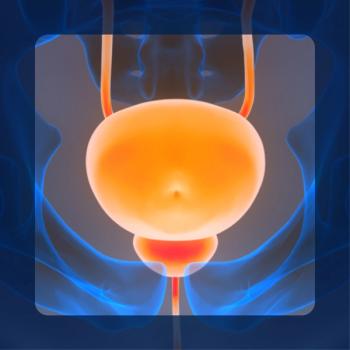
Padeliporfin vascular targeted photodynamic therapy was safe and generated responses in low-grade, upper tract urothelial cancer.
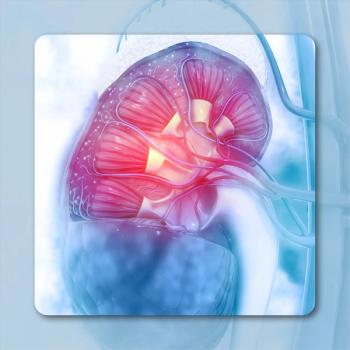
A high proportion of patients with renal tumors were discharged on the same day after receiving robotic partial nephrectomy.

Although the combination of azacitidine alone plus relatlimab/nivolumab was deemed safe, it had limited efficacy in patients with relapsed/refractory AML.

Fruquintinib plus capecitabine demonstrated preliminary efficacy and safety as maintenance therapy in RAS/BRAF wild-type metastatic colorectal cancer.

Darolutamide plus ADT improved rPFS in Black patients with metastatic hormone-sensitive prostate cancer treated in ARANOTE.
Updated findings from a phase 2 study investigating the IL-2–binding monoclonal antibody AU-007 show a manageable safety profile with antitumor evidence.

The University of California Lung Cancer Consortium and AstraZeneca announced a five-year partnership to expand the Healthy Lungs California initiative.
The EMA’s CHMP has recommended the approval for acalabrutinib/venetoclax with or without obinutuzumab in untreated CLL.

The FDA approved a ready-to-dilute formulation of thiotepa in a multi-dose vial for the treatment with breast and ovarian cancer.

Eighty percent of patients with early-stage dMMR solid tumors given neoadjuvant dostarlimab underwent nonoperative management of their disease.

Early complete clearance of ctDNA was linked with clinical responses to daraxonrasib in RAS-mutant advanced non–small cell lung cancer.
A retrospective analysis showed higher response rate for cabozantinib/nivolumab vs. lenvatinib/pembrolizumab in advanced RCC.

First-line tiragolumab plus atezolizumab did not improve PFS and OS vs atezolizumab alone in PD-L1–high, unresectable or metastatic NSCLC.
Bria-IMT plus checkpoint inhibition showed a manageable safety profile and activity in metastatic breast cancer.
The majority of patients with prostate cancer treated with an enzalutamide or leuprolide acetate regimen recovered their testosterone levels.
Treatment with 6.5 mg/kg of tegavivint was associated with primarily grade 1/2 TRAEs in patients with advanced hepatocellular carcinoma.
Patients with mCRPC enrolled in the phase 3 TALAPRO-2 trial harboring TMPRSS2-ERG fusions in ctDNA had a distinct tumor molecular profile vs those without.
China’s NMPA approved ivonescimab for the first-line treatment of PD-L1–positive advanced non–small cell lung cancer.
Zongertinib provided clinical benefit in previously treated advanced non–small cell lung cancer harboring HER2 mutations.

Linvoseltamab earned EC approval for relapsed/refractory multiple myeloma after at least 3 prior lines of therapy.

Jason A. Mouabbi, MD, discusses the use of ctDNA to enhance early detection of ESR1 or other resistance mutations in HR-positive breast cancer.
Dana-Farber Cancer Institute highlights research being presented at the 2025 AACR Annual Meeting.

Talazoparib plus enzalutamide improved rPFS vs placebo plus enzalutamide in patients with mCRPC with or without AR alterations.

Olaparib plus pembrolizumab was safe and effective in HRR gene–mutated and/or HRD-positive advanced tumors.

Penpulimab plus chemotherapy improved progression-free survival in recurrent or metastatic nasopharyngeal carcinoma.
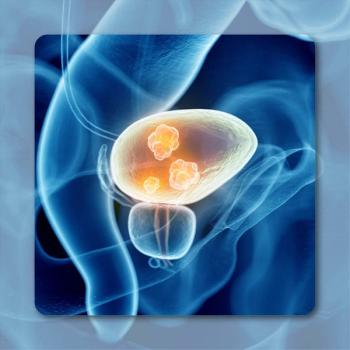
Interim data from a phase 2 study support the potential of TARA-002 as an intravesical immunotherapy in high-risk NMIBC.