
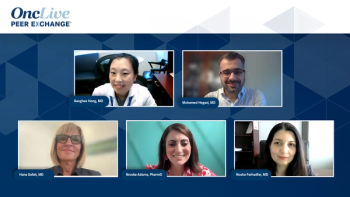
Experts detail how steroid-refractory chronic GVHD care now uses targeted therapies and personalized choices, weighing organs, side effects, and infusion logistics.

This peer exchange convenes a multidisciplinary panel to examine how refractory chronic graft-versus-host disease is treated and coordinated across care settings. The discussion establishes where the field stands today, describing the shift from a steroid-only approach toward mechanistically distinct targeted therapies and evolving goals: minimizing steroid exposure, preserving organ function, improving quality of life, and achieving durable disease control. Faculty compare the systemic and non-pharmacologic options in steroid-refractory disease across mechanism, pivotal evidence, and clinical trade-offs, addressing sequencing, tolerability-driven decisions, patient-reported outcomes, and realistic goals of therapy. The program then turns to the practical work of coordinating infusion-based care, walking through administration logistics, monitoring, and the transition from transplant center to local oncology or home infusion. Faculty stress that transitioning care is not transferring management, sharing approaches to handoff communication, telemedicine, access barriers, and caregiver burden, before a forward look at individualized treatment.
Experts detail how steroid-refractory chronic GVHD care now uses targeted therapies and personalized choices, weighing organs, side effects, and infusion logistics.
Explore 2026 options for steroid-refractory chronic GVHD: four FDA-approved agents, key trial evidence, and where ECP fits in care.