








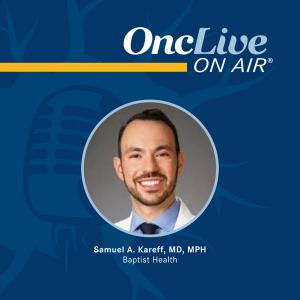





John N. Allan, MD, discusses all things regarding fixed-duration regimens in CLL from a review of the most pivotal data for the topic.
John N. Allan, MD, discusses all things regarding fixed-duration regimens in CLL from a review of the most pivotal data for the topic.
Dr Orloff discusses the distinct biology of uveal melanoma and why it has historically resisted systemic treatment.
Lung cancer and neurology experts discuss the ties between cancer-associated LEMS and small cell lung cancer, diagnostic tips, and management strategies.
Everett Meyer, MD, PhD, discusses the significance of the FDA approval of Orca-T for patients with hematologic malignancies.
Dr Tarantino discusses practice-informing data regarding antibody-drug conjugates in breast cancer that were presented at the 2026 ASCO Annual Meeting.
Dr Tolaney discusses the FDA approval of first-line sacituzumab govitecan plus pembrolizumab for locally advanced or metastatic PD-L1–positive TNBC.
Dr Cortes and Dr Jabbour discuss the orally disintegrating tablet formulation of nilotinib and its June 2026 FDA approval for patients with CML.
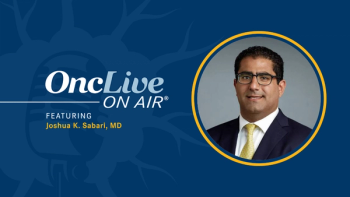
Joshua K. Sabari, MD, discusses the complexities of managing SCLC across both academic and community settings.

Drs Nunnery, Yang, and Abou Ghanem discuss available breast reconstruction options following breast cancer surgery.

Two Onc Docs delivers a comprehensive, board-focused review of DLBCL for 2026, updating their prior coverage to reflect several recent practice changes.
OncLive On Air® CE
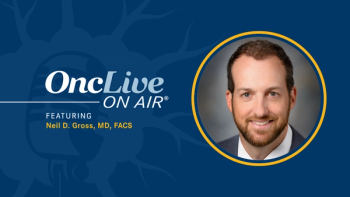
Dr Gross discusses the key biological and clinical distinctions between cutaneous squamous cell carcinoma and basal cell carcinoma.
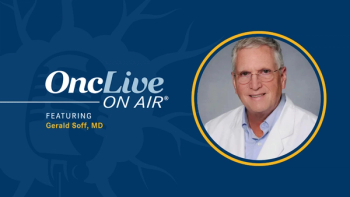
Gerald Soff, MD, discusses the phase 3 RECITE trial, which evaluated romiplostim for the treatment of persistent chemotherapy-induced thrombocytopenia in patients with GI cancer.
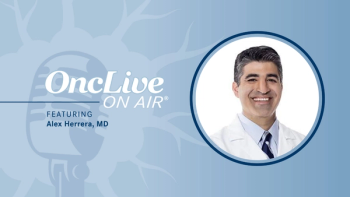
Alex Herrera, MD, discusses the FDA approval of nivolumab plus AVD for untreated classical Hodgkin lymphoma.
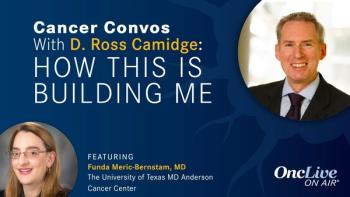
This episode highlights Dr Meric-Bernstam's evolution from a science-focused student into a leader in precision oncology and early-phase drug development.

Drs Nunnery and Nguyen discuss the emergence of the oral SERD giredestrant in hormone receptor–positive, HER2-negative breast cancer management.
Charles E. Geyer, MD, discusses the FDA approvals of trastuzumab deruxtecan for the management of early-stage HER2-positive breast cancer.
Claire Harrison, MD, discusses data for luspatercept in myelofibrosis-associated anemia from the INDEPENDENCE trial.

Drs Nunnery and Kruse discuss the controversy surrounding a biomarker-driven switch strategy in hormone receptor–positive, HER2-negative breast cancer.