







Dr Platzbecker discusses the FDA approval of luspatercept in lower-risk myelodysplastic syndrome with anemia; key efficacy and safety data from the COMMANDS trial; and how this approval addresses historically unmet needs for this population.

Your AI-Trained Oncology Knowledge Connection!


Dr Platzbecker discusses the FDA approval of luspatercept in lower-risk myelodysplastic syndrome with anemia; key efficacy and safety data from the COMMANDS trial; and how this approval addresses historically unmet needs for this population.

Dr Richardson discusses the background of mezigdomide, key efficacy and safety findings with the agent plus dexamethasone in patients with relapsed/refractory multiple myeloma, and the implications of this combination for heavily pretreated patients in this population.

Drs Garcia-Manero and Zeidan discuss the significance of efficacy and safety data from the COMMANDS trial in myelodysplastic syndrome, takeaways from the subgroup analyses, and expectations around treatment sequencing in the lower-risk population.

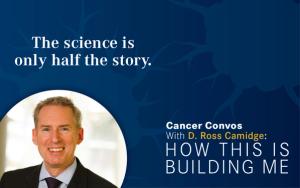
In this episode of How This Is Building Me, Drs Camidge and Garon discuss the importance of continuing to ask a variety of research questions throughout one’s career; the value of negative study results; and the ins and outs of running the lung cancer program and conducting phase 3 clinical trials at UCLA.

Dr Nooka discusses the FDA approval of elranatamab in relapsed/refractory multiple myeloma, key data from MagnetisMM-3, and the evolving role of bispecific antibodies in the multiple myeloma treatment paradigm.

Drs Jones and Somaiah discuss unmet needs in GIST that the Peak trial seeks to answer; the advantages of the methods and design of this trial; and how the tolerable safety profile of bezuclastinib plus sunitinib supports further research with this combination.

Dr Chuong discusses the evolution of MRI-guided radiation in the cancer treatment armamentarium, the benefits of the MRIdian SMART system, and how Miami Cancer Institute is leading the way with trainings to expand the use of this technology.

Dr Fonkoua discusses the ways in which common clinical trial enrollment criteria in oncology exclude patients from underrepresented groups, enrollment disparities that uniquely affect patients with liver cancer, and initiatives that Mayo Clinic is participating in to eliminate barriers to clinical trial enrollment.

Dr Minnema discusses the FDA approval of talquetamab in patients with relapsed/refractory multiple myeloma, key data from the MonumenTAL-1 trial, and the importance of designing clinical trials to address unmet patient needs.

Dr Usmani discusses the integration of elranatamab, talquetamab, and telcistamab into the management of relapsed/refractory multiple myeloma, common adverse effects and recommended supportive care measures, and ongoing research that may help clarify their role in the paradigm.

Dr Kelley discusses standard first-line treatment options for patients with advanced HCC, key findings from the phase 3 HIMALAYA trial, and the safety profile of the STRIDE regimen in this population.

Dr Mirza discusses the FDA approval of dostarlimab plus chemotherapy in patients with dMMR/MSI-H primary advanced or recurrent endometrial cancer; key efficacy and safety findings from the RUBY trial, and ongoing research investigating the role of frontline immune checkpoint inhibitors in patients with endometrial cancer.

Dr Sekeres discusses the FDA approval of quizartinib plus chemotherapy in patients with newly diagnosed, FLT3-ITD–positive AML, key efficacy and safety data from the QuANTUM-First trial, and how this quizartinib regimen addresses an unmet need for older patients in this population.

Dr Trent discusses the need for improved awareness around mutation testing in GIST, the limitations of current clinical trial criteria, and the potential for ctDNA to become a longitudinal cancer monitoring tool, helping to prevent invasive means of measuring disease progression.

Dr Bhatnagar discusses the prior and ongoing studies evaluating the addition of uproleselan to standard-of-care regimens for patients with AML, why uproleselan could affect the treatment paradigm across AML subtypes, and the rationale for pursuing minimal residual disease negativity as a clinical end point in AML.

Dr Sanai discusses the prevalence and grading of malignant meningiomas; common symptoms associated with these tumors; treatment modalities for high-grade disease; and more.

Dr Danish discusses barriers to using radiotherapy for the treatment of patients with metastatic lung and bone cancers; the novel capabilities of SCINTIX biology-guided technology; and how John Theurer Cancer Center plans to use this technology and help advance its role in the field of radiation oncology.

Dr Carlo-Stella discusses the FDA approval of glofitamab in relapsed/refractory DLBCL, key efficacy and safety findings from the NP30179 trial, and the benefits of glofitamab’s mechanism of action.

Dr Trent discusses the current role and significance of using MRD in gastrointestinal stromal tumor, current guidelines around mutation testing, and research seeking to expand the targeted therapy armamentarium.

In this episode of ‘How This is Building Me,’ Drs Camidge and Abbott discuss the road from bench scientist to biotechnology analyst, rules and regulations in the industry, and more.

Dr Lunning sits down with Kamdar to discuss the design of the POLARIX trial, the ways in which its results have changed their practice when treating patients with DLBCL, and the importance of further research investigating the molecular heterogeneity of DLBCL to determine potential causes of early relapse with pola-R-CHP.

Drs Khan and Kwendakwema discuss the methods and design of two studies investigating adverse financial events in patients with cancer, the future implications of these findings, and the importance of continued investigation in this area.

Dr Agarwal discusses the significance of the FDA approval of talazoparib plus enzalutamide in HRR gene–mutated mCRPC, key efficacy and safety data from the TALAPRO-2 trial, and how this combination further supports the use of PARP inhibitors in the mCRPC treatment paradigm.

Dr Lunning sits down with Jeremy Abramson, MD, to discuss treatment options for patients with LBCL following relapse on their initial therapies, the potential role of surveillance imaging in certain subsets of this population, and the challenging differences that arise when treating patients with cellular therapy in clinical trials vs in the real-world setting.

Dr Gotlib discusses the significance of the FDA approval of avapritinib in indolent systemic mastocytosis, key findings from the PIONEER trial, and the quality of life benefits that avapritinib provides for patients in this population.

Dr King discusses the need for improved guidance when determining the appropriate management strategy for patients with residual nonretroperitoneal testicular cancer and findings from a study on the association between the presence of teratoma in the primary orchiectomy and the rate of teratoma in this disease.

Dr Kremyanskaya discusses the results from cohort 1 of the MANIFEST trial in treatment-naïve myelofibrosis, differentiating features of pelabresib and recently approved JAK inhibitors, and next steps for the investigation of BET inhibitors in this population.

Dr Short discusses data in acute lymphoblastic leukemia that were presented at the 2023 ASCO Annual Meeting and EHA Congress.

In this episode of ‘How This is Building Me,’ Dr Camidge is rejoined by Dr Cetnar to discuss the good, the bad, and the ugly of the lung cancer data that were presented at the 2023 ASCO Annual Meeting.

Dr Manana discusses how systemic racism appears in oncology practice, tools clinicians can use to learn about and address their implicit biases, and the importance of connecting patients with a multidisciplinary team to provide necessary resources and care.