

The future of privately owed oncology practices in the nation's cancer care system is growing increasingly fragile amid mounting financial pressures, even as more new patients are seeking help.
The future of privately owed oncology practices in the nation's cancer care system is growing increasingly fragile amid mounting financial pressures, even as more new patients are seeking help.
The recent approval of pertuzumab as part of a combination neoadjuvant treatment for patients with early-stage breast cancer has paved the way for wider use of the regimen in preoperative settings.
Take a prognosis of three years, multiply it by 10, and what do you get? A staggering improvement in the survival of patients with chronic myeloid leukemia (CML), and a crucial steppingstone on the road to the targeted treatment of cancer.
Ostensibly, the illness is the culprit. But it is also the cancer patient who is made culpable

Donald A. Berry, PhD, is a leader in the development of innovative statistical methodology for the improvement of clinical trial design and analysis, especially the Bayesian methods used in the I-SPY program.

The approval of the first small-molecule, targeted therapy for patients with chronic lymphocytic leukemia (CLL) launches a new era that promises to transform management of the disease, yet significant challenges in translating research advances into improvements in long-term outcomes remain

In more than 40 years as a National Cancer Institute (NCI)-designated cancer center-and the first center in the network devoted purely to basic research-The Wistar Institute has built a reputation for furthering the sort of scientific research that will improve clinical cancer medicine.
The readministration of a cytotoxic antineoplastic agent is a well-established management paradigm in a number of malignancies, yet it is generally believed such a strategy may not prove beneficial if the patient experiences disease progression while receiving the therapy.
Amid a growing recognition of the need to improve the process of developing oncology drugs, the novel I-SPY 2 clinical trial in breast cancer has demonstrated the potential to deliver new, effective treatment options more rapidly to patients who would most benefit while dramatically reducing the time and costs currently required to evaluate experimental therapies.

Now that targeted therapies are available for the treatment of various subtypes of breast cancer, and many novel agents are under investigation, it is important for the oncology community to follow the latest advancements to give patients the best available options.

The role of allogeneic transplant in the treatment of adult patients with acute lymphoblastic leukemia (ALL) is evolving as a result of new studies providing evidence of the efficacy of an improved chemotherapy regimen

A recently approved indication for nab-paclitaxel (Abraxane) in metastatic pancreatic cancer is thought to have similar efficacy to a standard first-line treatment for the disease, but offers several advantages in the eyes of community oncologists and their patients

Breast cancer survivors who took two yoga classes a week for 3 months after treatment were less fatigued and demonstrated less systemic inflammation than their counterparts who did not take the classes

Patients fear being a "guinea pig" or receiving a placebo, healthcare providers do not have time to keep up with all of the clinical trial information or talk with patients in depth, conducting clinical trials is very expensive for healthcare systems, and funding continues to decline for research.
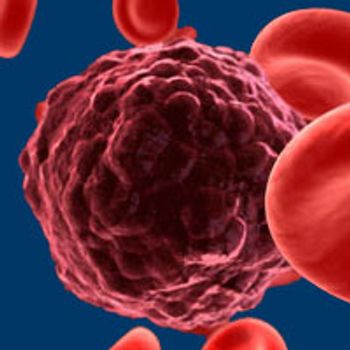
Amid advances in targeted therapies for patients with chronic lymphocytic leukemia (CLL), researchers also have been making strides in the realm of chemoimmunotherapy regimens for the disease.

Prodrug chemotherapy is an exciting approach by which higher concentrations of cytotoxic or biologically active agents can be achieved at a tumor site while avoiding the systemic toxicity of a non-cell-specific toxin.

Cognitive behavioral therapy for insomnia (CBT-I) and mindfulness-based stress reduction (MBSR) can improve sleep for patients with cancer, but CBT-I continues to be the best nonpharmacologic option

Management of patients with CLL is entering a new era of precision medicine.