
Investigators are hopeful that idasanutlin, a novel small molecule that targets the MDM2 protein, can improve the efficacy of chemotherapy in patients with relapsed/refractory acute myeloid leukemia.
Investigators are hopeful that idasanutlin, a novel small molecule that targets the MDM2 protein, can improve the efficacy of chemotherapy in patients with relapsed/refractory acute myeloid leukemia.
Panelists review data for lenvatinib (Lenvima), and novel drugs under investigation in the second line for HCC, such as cabozantinib (Cabometyx/Cometriq) and pembrolizumab (Keytruda).
Oncologists have been slow to introduce targeted and immune therapies into the treatment of gastrointestinal cancers, but that is changing, and poor patient survival statistics call for a continuation of this trend, according to John L. Marshall, MD.
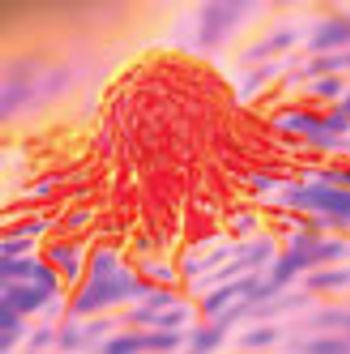
Recently, immuno-oncologists have turned their attention to the role of the second arm of the immune response—the more rough-and-ready innate arm, which serves as the body’s frontline defense against pathogenic invaders and, it seems, cancer.

Several studies presented at this year’s American Urological Association meeting underscored the value of multiparametric magnetic resonance imaging in the diagnosis and management of prostate cancer.

Many pressures on independent oncology practices have contributed to regionalization of services, in which practices merge or establish relationships with larger health systems. The forms that these larger systems have taken are diverse, but they do fall into several basic categories.

David R. Gandara, MD, has pioneered groundbreaking therapies in lung cancer treatment through his leadership of interdisciplinary teams of oncologists, pharmacologists, molecular biologists, and statisticians.
New breast cancer screening guidelines from the American College of Radiology and Society of Breast Imaging advise all women to undergo risk assessment at age 30, followed by screening for those with a greater chance of cancer.

Emerging evidence shows that immediate autologous breast reconstruction can tolerate radiotherapy better than previously thought in select cases.

Patients with cancer have high rates of comorbidities, but hard data are often lacking about the interaction of specific regimens with such health conditions. Experts say more inclusive clinical trials and broader use of risk assessment tools would help improve care.
A new American Society for Radiation Oncology guideline calls for hypofractionated whole breast irradiation for patients with breast cancer regardless of age, tumor stage, and previous chemotherapy treatment.
The public’s faith in science, particularly in efforts related to health, is crucial for the successful implementation of strategies designed to improve the human condition, says Maurie Markman, MD.

Ovarian cancer incidence and mortality have declined significantly over the past few decades, but eliminating racial disparities in treatment and improving prevention and early detection could help save even more women.
Researchers now are turning their attention toward earlier disease settings involving patients who are refractory to standard therapies in nonmuscle-invasive bladder cancer or who are poor candidates for surgery in muscle-invasive bladder cancer.