
Allison Campbell, MD, PhD, discusses the synergy between immune checkpoint inhibitors and radiation therapy and the challenges facing ongoing clinical development.
Allison Campbell, MD, PhD, discusses the synergy between immune checkpoint inhibitors and radiation therapy and the challenges facing ongoing clinical development.
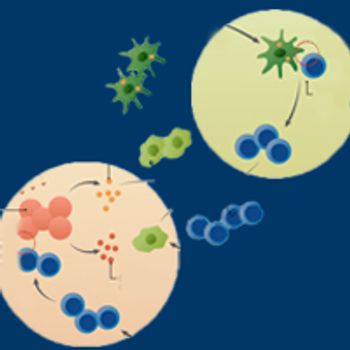
A growing appreciation of the immunomodulatory properties of radiation therapy (RT) and their role in the rare, but highly sought-after “abscopal effect”—whereby localized RT elicits systemic antitumor effects—is fueling excitement in the radiation oncology field.

Updated venous thromboembolism (VTE) guidelines issued by the American Society of Clinical Oncology now include the use of direct oral anticoagulants for patients with cancer as a preventive measure against VTE recurrence.

Although the oncology community has made many advancements in understanding the role of germline mutations in prostate cancer, a pressing need exists for clarity in determining which genes should be included in testing panels and what steps should be taken to counsel patients at risk and their families.

In a phase III trial, investigators are examining if arfolitixorin can supplant leucovorin calcium, a widely used component of combination regimens in patients with metastatic colorectal cancer.
The number of new therapies that have shown singleagent activity in metastatic disease, the earlier use of immune checkpoint blockade, and our continued attempts to refine our knowledge of the pathogenesis of urothelial carcinoma are expected to dramatically change treatment algorithms and outcomes over the next 5 to 10 years.

A large proportion of medical waste in oncology is considered hazardous and must be disposed of correctly.
Although use of wearable mobile health monitors has soared in other fields of healthcare, adoption of these electronic devices has lagged in oncology.
As the first targeted therapy in bladder cancer, erdafitinib (Balversa) expands the limited treatment options for the subset of patients with urothelial carcinoma.
During a recent OncLive Peer Exchange® program, a panel of leukemia experts provided an overview of these agents and shared their perspectives on how clinicians can incorporate them into their clinical practice.

The slate of biosimilars for cancer is growing, and with this expansion the potential for price competition has improved.
Rapid advancements are dramatically changing the lung cancer treatment landscape, creating challenges across the spectrum of care.
The often intense and frequently highly focused effort to seek scientific purity in answering questions within cancer clinical trials raises serious concerns regarding the ethical foundation of certain studies.

Imaging approaches and technologies have advanced dramatically since the last such guidance was developed a decade ago, driving earlier and more effective detection and treatment.