

Although there have been numerous studies evaluating the role of different therapy schedules, cytotoxic agents, and routes of administration in ovarian cancer, the backbone of therapy remains a combination of a platinum and a taxane.
Although there have been numerous studies evaluating the role of different therapy schedules, cytotoxic agents, and routes of administration in ovarian cancer, the backbone of therapy remains a combination of a platinum and a taxane.
Different patterns of response are associated with the dosages of immunosuppressants used to manage the adverse effects of immunotherapies.
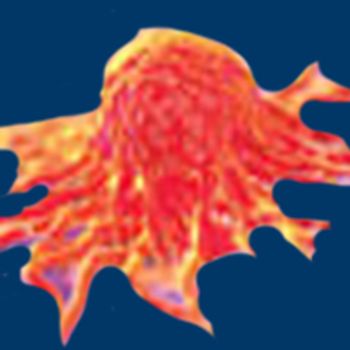
Thanks to technological advances, the past several decades have witnessed a blossoming appreciation of the varied composition of these microbial communities, their complex and dynamic relationship with the host, and the way they affect health and disease.

SM-88, a novel compound that attacks oncogenic metabolic pathways, is under development for patients with metastatic pancreatic cancer and other solid tumors, raising the potential for a tumor-agnostic therapy.

In the most recent decade, we have seen an acceleration of discovery in NSCLC, primarily driven by our understanding that there are many types of lung cancer.
Advocates for sipuleucel-T point out that the public has become more aware of and interested in immunotherapy now, and they believe the product has the potential to benefit a larger group of patients.
With hugely destructive storms now almost routine—3 of the 5 costliest hurricanes on record occurred in 2017—the secret to practice readiness is constant review and analysis.

Because specific risk-reducing interventions may be available, it is important to identify individuals with germline variants in cancer susceptibility genes.

During a recent OncLive Peer Exchange®, panel members discussed the use of HER2-targeted therapies in patients with early-stage HER2-positive breast cancer in the neoadjuvant and adjuvant settings.

A trickle of positive findings from NCI-MATCH, a precision medicine trial of numerous agents across tumor types, has encouraged investigators to broaden the number of trial arms, which now stand at 40, and expand enrollment.

Although multiple checkpoint inhibitors have been introduced into the bladder cancer treatment paradigm during the past several years, their use in the malignancy remains an unfolding story.
The model of an independent and self-regulating academic medical community continues to be challenged through widely reported accusations of serious scientific misconduct, failure of investigators to report potential financial conflicts of interest, and suggestions of inadequate transparency related to the questionable role of academic researchers in the analysis and reporting of industry-sponsored clinical trial results.