

The annual cost of new oncology drugs will continue to trend upward over the next 5 years, eventually breaching the $200,000 level.
The annual cost of new oncology drugs will continue to trend upward over the next 5 years, eventually breaching the $200,000 level.
Under the current administration, a policy implemented at the turn of the year could have far-reaching effects on the healthcare reform effort.
A recently launched clinical trial aims to improve outcomes and quality of life for patients with nasal and paranasal squamous cell carcinoma (NPNSCC), a rare type of head and neck cancer that is challenging to treat and carries significant morbidity.

Laura J. Esserman, MD, MBA, a 2018 Giants of Cancer Care® award winner in the Cancer Diagnostics category led the way in designing the I-SPY clinical trials, a groundbreaking effort to match patients with breast cancer to potential therapies based on molecular drivers of disease. She also has advocated for a greater understanding of the biological drivers of breast cancer, rather than relying on mass screening programs, to better analyze early disease.
During a recent OncLive Peer Exchange®, a panel of breast cancer experts discussed emerging agents in triple-negative breast cancer, which include an anti–PD-L1 antibody, 2 PARP inhibitors, and a novel antibody–drug conjugate.
It is essential to appreciate that precision cancer medicine is a process, not an event.
Acute promyelocytic leukemia, a rare genetic subtype of de novo acute myeloid leukemia is treated not with conventional cytotoxic chemotherapy but with just 2 drugs: all-trans retinoic acid and arsenic trioxide. Given this, an enduring question has been whether noncytotoxic differentiation-restoring therapy can be extended to the most common genetic subtypes of AML.
New options for patients with hematologic malignancies stemming from recent FDA approvals are making an impact on treatment strategies recommended in the National Comprehensive Cancer Network Clinical Practice Guidelines in Oncology.
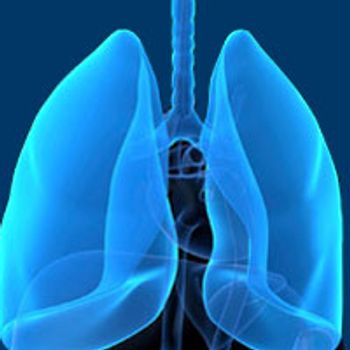
Treatment strategies moving forward will likely involve development of new targeted TKIs with greater potency and specificity against resistance mutations and different kinase selectivity, sequencing of targeted therapies based on the resistance mutations that develop from prior therapy, and development of combination regimens to target bypass signaling tracks.
Following a 2-decade lull in early-stage lung cancer, we are now seeing much better-designed neoadjuvant and adjuvant studies based on proper biomarker selection, as well as optimized treatment choices founded upon recent advances in the metastatic setting.
More than a dozen new treatments have boosted survival times for individuals with multiple myeloma. Now, researchers are beginning trials to investigate whether any of those treatments might improve on observation for patients with smoldering multiple myeloma who are at the highest risk of progression.