scout

Vol. 21/No. 3

There is a year and a half remaining in the life of the Oncology Care Model, and although the Centers for Medicare & Medicaid Services has leapt forward with a vision for the next-generation model of care Oncology Care First, many stakeholders feel that the Oncology Care Model is more than enough to think about right now.
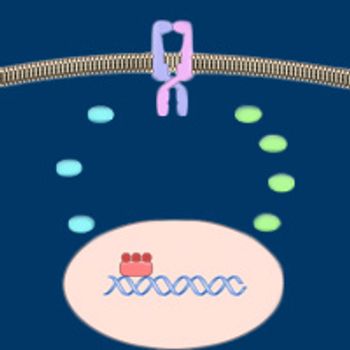

For years, the treatment landscape for bladder cancer was defined by lackluster consistency: There were no advances. However, the drought ended with the introduction of immune checkpoint blockade, according to Charles G. Drake, MD, PhD.

Modest activity has been observed with anti–PD-1 therapies for patients with gastric, esophageal, and hepatocellular carcinoma in later lines of therapy, but for patients with microsatellite instability–high tumors and other subgroups, treatment with these agents has shown benefit over chemotherapy in the first-line setting, according to recent data.

Immune checkpoint inhibitors have yielded modest improvement in small cell lung cancer (SCLC), but have already reshaped the management of this tumor type and helped open the door to the exploration of other, potentially more effective treatment approaches, according to a panel of thoracic oncology experts who discussed the treatment horizon for SCLC in a recent OncLive Peer Exchange® panel.

Although most breast tumors are not immunogenic, evidence indicates that triple-negative breast cancer expressing PD-L1 is a strong candidate for immunotherapy, explained Leisha A. Emens, MD, PhD, in a presentation on recent trials of immunotherapy alone and in combination with anti–PD-1 therapy.

Immune checkpoint inhibitors (ICIs) combined with the anti–CTLA-4 agent ipilimumab (Yervoy) have dramatically improved survival in metastatic melanoma, but resistance and lack of response remain obstacles to wider efficacy, Mario Sznol, MD, said in a presentation during the 4th Annual International Congress on Immunotherapies in Cancer®. Multiple efforts are under way to understand these issues better and develop improved biomarkers for response, Sznol added.

Although PD-L1 expression is the most established yardstick of response to immune checkpoint immunotherapy, its clinical utility as a biomarker remains an enigma further complicated by the variety of assays and algorithms for measuring it.

To spare patients from surgery or other unnecessary procedures, Montefiore Einstein Center for Cancer Care developed an advanced method of bronchoscopy that provides peace of mind for individuals with lung nodules. The minimally invasive bronchoscopy provides a very safe method of biopsy, importantly at very early stages when the nodules are relatively small.