
Patients with cancer across the country rely on community oncology practices to provide them with high-quality, coordinated cancer care.
Patients with cancer across the country rely on community oncology practices to provide them with high-quality, coordinated cancer care.
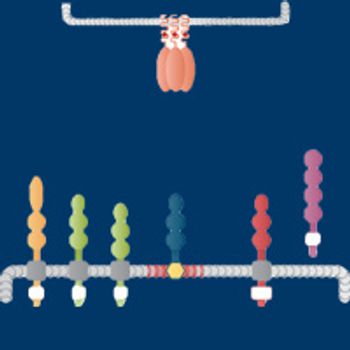
Results from a first-in-human study into ABBV-621, a TNF-related apoptosis-inducing ligand (TRAIL) receptor agonist, highlight the potential of focusing on TRAIL.

The United States Pharmacopeial Convention (USP) General Chapter is a good start for improving the protection of healthcare workers exposed to hazardous drugs, but more studies and safety protocols are needed, according to an American Society of Clinical Oncology (ASCO) expert panel that evaluated USP and various other guidelines in a report last year.
Daniel F. Hayes, MD, discusses the potential of liquid biopsies in breast and other cancers and highlights some major challenges that keep these tests from wider use.
If clinicians can identify complications earlier and take appropriate prophylactic or therapeutic measures, treatment plan adherence and outcomes may be improved for patients with head and neck cancer.
Neoadjuvant stereotactic radiosurgery has gained interest. This approach allows for easier target delineation; a smaller margin of normal brain parenchymal receiving the radiosurgery dose, which may decrease toxicity; and the potential to reduce the risk of leptomeningeal disease by sterilizing the tumor margin preoperatively.
Joseph Mikhael, MD, discusses isatuximab in the context of recent, promising data from the ICARIA-MM trial in relapsed/ refractory multiple myeloma.
The cancer treatment community's ultimate perception of a successfully completed phase III randomized trial depends in large part on how well the trial was conceived and structured. To permit adequate accrual in a timely manner and optimize the chances for a study to achieve success, the question it poses must be relevant to ensure interest by clinical investigators, referring clinicians, and potential research subjects. Further, the initiative must have adequate funding for data collection and analysis, translational laboratory investigations, and other trial components.
Daniel P. Petrylak, MD, discusses important new developments in bladder and prostate cancer.
A high body mass index at baseline may be independently associated with improved survival outcomes in patients with non–small cell lung cancer who receive immune checkpoint inhibitor therapy.
Investigators will challenge therapeutic convention by testing a PARP inhibitor instead of an IDH-targeted therapy in patients with metastatic IDH1/2-mutated glioma, cholangiocarcinoma, and other solid tumors that are refractory to standard treatment.
The treatment paradigm for patients with prostate cancer is evolving, with the growth of approved and newly developed agents and an increased understanding of the role of genomic drivers.
Javier Munoz, MD, MS, FACP, discusses zanubrutinib’s path to approval in mantle cell lymphoma and its future potential.