
During a recent OncLive Peer Exchange®, a panel of lymphoma experts discussed tafasitamab-cxix, polatuzumab vedotin-piiq, and selinexor, and how and when they use them for their patients with diffuse large B-cell lymphoma.
During a recent OncLive Peer Exchange®, a panel of lymphoma experts discussed tafasitamab-cxix, polatuzumab vedotin-piiq, and selinexor, and how and when they use them for their patients with diffuse large B-cell lymphoma.
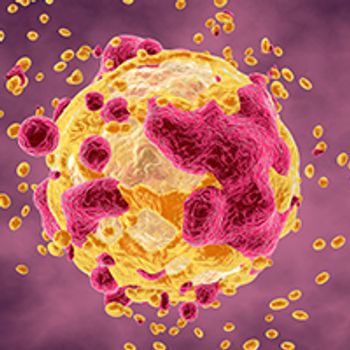
Dysregulated platelet-derived growth factor receptor signaling is implicated in a number of cancer types and is among the targets of many FDA-approved multikinase inhibitors.
Larotrectinib (Vitrakvi) has proved to be highly active in patients with thyroid cancer with NTRK gene fusions, exhibiting rapid and durable disease control.
Results of the National Lung Screening Trial demonstrated a 20% decrease in lung cancer mortality in individuals aged 55 to 74 years with a 30 pack-year smoking history using a low-dose computed tomography scan.
Although the United States is behind Europe in terms of biosimilars approved and launched, the FDA is adding more approvals each year—29 since 2014—and 73 additional biosimilar candidates are in clinical trials and/or under FDA review.
Providers and health care institutions want more real-world data on how patients respond to various biosimilar products, according to a varied panel of private practice, academic hospital, and group purchasing organization experts in a discussion at the Community Oncology Alliance virtual 2021 Community Oncology Conference in April.
Roy S. Herbst, MD, PhD, was inspired to become an oncologist during his first week as an MD/PhD candidate at Cornell University and The Rockefeller University, thanks in part to Ralph L. Nachman, MD, longtime chair of Weill Department of Medicine at Weill Cornell Medical College.
Investigators are evaluating the addition of nivolumab to standard neoadjuvant therapy in patients with high-risk, estrogen-receptor–positive/ HER2-negative breast cancer to determine whether the PD-1 immune checkpoint inhibitor can improve recurrence rates.
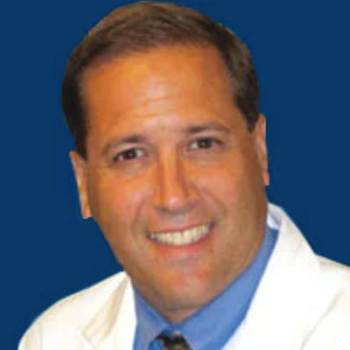
Opinion leaders provide a glimpse into the future of what approaches adopted during COVID-19 may persist in oncology after the pandemic ends.

Amitkumar Mehta, MD, the safety profile of liso-cel and how it is advancing the relapsed/refractory large B-cell lymphoma treatment paradigm.
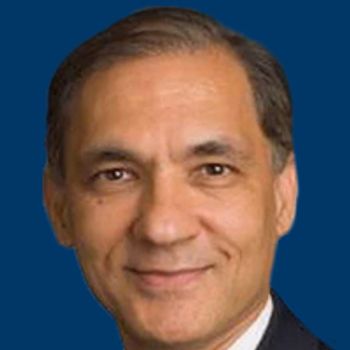
Nikhil C. Munshi, MD, discusses how idecabtagene vicleucel has potentially marked the beginning of a new chapter for cellular therapy in multiple myeloma.
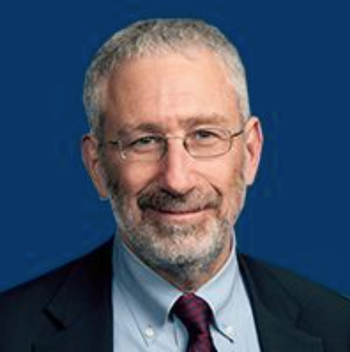
The challenges of assessing COVID-19 vaccines shows that events in the real world may differ from those of a formal objective scientific analysis, especially in a setting where such evaluations of necessity involve very small numbers.