
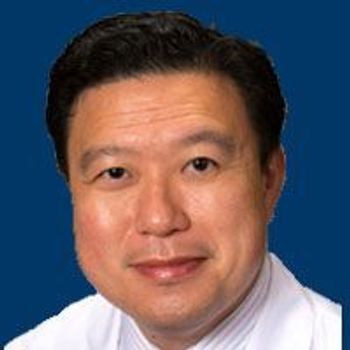
Treatment strategies for patients with advanced-stage non–small cell lung cancer have shifted away from platinum-based doublet chemotherapy and toward combination strategies that include immune checkpoint inhibitors.
Treatment strategies for patients with advanced-stage non–small cell lung cancer have shifted away from platinum-based doublet chemotherapy and toward combination strategies that include immune checkpoint inhibitors.

KRAS has topped the most wanted list of therapeutic targets in oncology for decades, but it has resolutely resisted all efforts, garnering it a reputation as undruggable.

The COVID-19 pandemic may have stalled some physician retirements, but some experts are predicting an exodus of oncologists within the next 1 or 2 years. Practice managers are working now to mitigate the impact with both formal and informal initiatives.

Although a majority of pancreatic cancer cells are highly dependent on endogenous biosynthesis of cholesterol, new research from investigators at Fox Chase Cancer Center has demonstrated that some more aggressive pancreatic cancers are completely independent of this process.
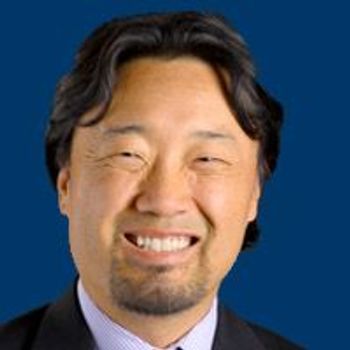
ADP-A2M4CD8, a novel T-cell therapy, is being investigated in a range of tumor types that express MAGEA4, an antigen expressed in solid tumors that investigators say represents a promising target for cellular immunotherapy.
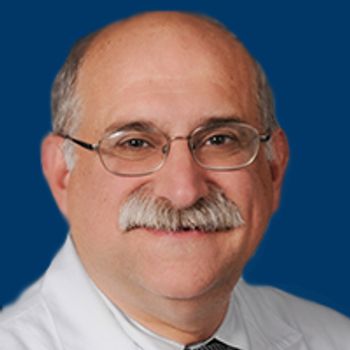
A recent wave of drug approvals for treating prostate cancer in earlier disease states, coupled with genomic advances, may help pave the way for a shift toward handling the malignancy as a chronic condition.
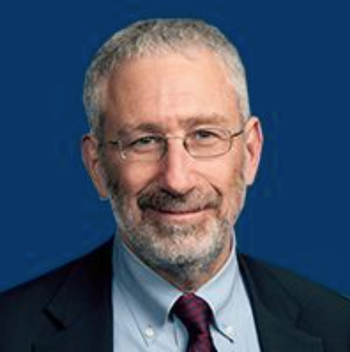
When one is dealing with the topic of cancer, its treatment and consequences, language that clinicians and members of the cancer research community use may have an even greater impact.
Patients with metastatic renal cell carcinoma have a new frontline treatment alternative following FDA approval of the combination of nivolumab plus cabozantinib combination.