
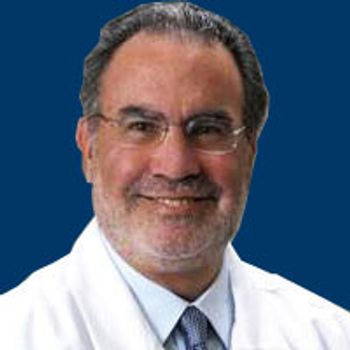
Robert A. Figlin, MD, highlights advances made with immunotherapy in renal cell carcinoma and sheds light on the challenges that remain.
Robert A. Figlin, MD, highlights advances made with immunotherapy in renal cell carcinoma and sheds light on the challenges that remain.
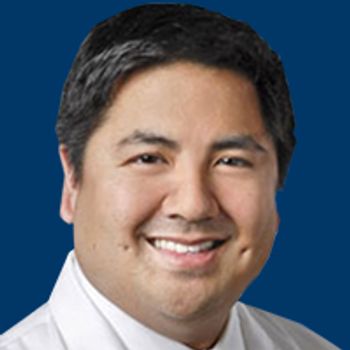
Edwin M. Posadas, MD, FACP, discusses recent prostate cancer data and sheds light on where emerging therapies may fit into this landscape.
Robert A. Figlin, MD, director, Division of Hematology/Oncology, Steven Spielberg Professor of Biomedical Sciences and Medicine, Cedars-Sinai Medical Center, discusses the future of treatment for patients with renal cell carcinoma.
Robert A. Figlin, MD, director, Division of Hematology/Oncology, Steven Spielberg Professor of Biomedical Sciences and Medicine, Cedars-Sinai Medical Center, discusses considerations when combining TKIs and immunotherapy agents in the management of advanced renal cell carcinoma.
Using wearable activity monitors may eventually supplement standard assessments of performance status and functionality that could inform clinicians, especially because objective evaluation of performance status is difficult to determine.
Timothy J. Daskivich, MD, assistant professor of surgery, Cedars-Sinai Medical Center, discusses the future treatment landscape of prostate cancer.
Edwin M. Posadas, MD, medical director, Urologic Oncology Program, co-director, Translational Oncology Program, associate professor of medicine, Cedars-Sinai Medical Center, discusses unmet needs in prostate cancer.
Hyung L. Kim, MD, Medallion Group Chair in Urology, co-medical director of the Urologic Oncology Center, associate director, Surgical Research in the Samuel Oschin Comprehensive Cancer Institute at Cedars-Sinai Medical Center, discusses the potential combination of immunotherapy and tyrosine kinase inhibitors in metastatic renal cell carcinoma.

Robert A. Figlin, MD, director, Division of Hematology/Oncology, professor of biomedical sciences and medicine, Cedars-Sinai Medical Center, discusses the future of kidney cancer treatment.
Hyung L. Kim, MD, discusses perioperative systemic therapy for patients with kidney cancer.
Howard M. Sandler, MD, discusses the emergence of hypofractionation as a viable treatment approach for patients with prostate cancer.
Stephen J. Freedland, MD, shares his insight on how to counsel patients with prostate cancer on the benefits of leading a healthier life.
Timothy J. Daskivich, MD, discusses the use of High-intensity focused ultrasound and other treatment strategies in the prostate cancer armamentarium.
Amit Gupta, MD, urologic oncologist, Department of Surgery, Cedars-Sinai Medical Center, discusses how the use of immunotherapy agents is altering the role of surgery in bladder cancer and the need for Bacillus Calmette-Guérin (BCG) alternatives.
Edwin M. Posadas, MD, discusses the evolution of prostate cancer therapy, including the earlier use of advanced-stage agents and the potential for immunotherapy in the field.
Robert A. Figlin, MD, discusses the expanding RCC armamentarium and balancing the benefits and risks of standard and emerging treatments to achieve optimal outcomes.
Howard M. Sandler, MD, chair, Department of Radiation Oncology, Ronald H. Bloom Family Chair in Cancer Therapeutics, director, Samuel Oschin Comprehensive Cancer Institute at Cedars-Sinai Medical Center, discusses hypofractionation in prostate cancer.

Hyung L. Kim, MD, Medallion Group Chair in Urology, co-medical director of the Urologic Oncology Center, associate director, Surgical Research in the Samuel Oschin Comprehensive Cancer Institute at Cedars-Sinai Medical Center, discusses cytoreductive nephrectomy in patients with metastatic renal cell carcinoma.
Stephen J. Freedland, MD, director, Center for Integrated Research in Cancer and Lifestyle, co-director, Cancer Genetics and Prevention Program, associate director, Faculty Development Samuel Oschin Comprehensive Cancer Institute, professor of surgery, Cedars-Sinai Medical Center, discusses nuanced diet and lifestyle interventions in patients with prostate cancer.
Timothy J. Daskivich, MD, assistant professor of surgery, Cedars-Sinai Medical Center, discusses developing and available imaging modalities in prostate cancer.
Robert A. Figlin, MD, director, Division of Hematology/Oncology, professor of biomedical sciences and medicine, Cedars-Sinai Medical Center, discusses the tolerability and toxicity of immune-oncology agents in kidney cancer.
Edwin M. Posadas, MD, medical director, Urologic Oncology Program, co-director, Translational Oncology Program, associate professor of medicine, Cedars-Sinai Medical Center, discusses the future of detection in metastatic castration-resistant prostate cancer (mCRPC).
The presence of metastatic lymph nodes was directly correlated with poorer survival in patients with oral cancer, according to findings published in the Journal of Clinical Oncology.
William Oh, MD, reviews some of the biomarkers under investigation in GU cancers and possibilities for major advances in the field over the next few years.
Andrew E. Hendifar, MD, medical oncology lead for the Gastrointestinal Disease Research Group, Cedars-Sinai Medical Center, discusses the current treatment landscape in pancreas cancer.

Robert A. Figlin, MD, the Steven Spielberg Family Chair in Hematology-Oncology and associate director of academic program development in the Samuel Oschin Comprehensive Cancer Institute at Cedars-Sinai Medical Center, discusses the major novel agents at the forefront of the treatment landscape of renal cell carcinoma.
Robert A. Figlin, MD, the Steven Spielberg Family Chair in Hematology-Oncology and associate director of academic program development in the Samuel Oschin Comprehensive Cancer Institute at Cedars-Sinai Medical Center, discusses tyrosine kinase inhibitors that he uses to treat patients with renal cell carcinoma.

Howard M. Sandler, MD, chair, Department of Radiation Oncology, professor of Radiation Oncology, Cedars-Sinai Medical Center, discusses potential combination regimens with chemotherapy as treatment for patients with prostate cancer.
Robert Figlin, MD, FACP, professor of Medicine and Biomedical Sciences, Steven Spielberg Family Chair in Hematology Oncology, director, Division of Hematology Oncology, deputy director, Samuel Oschin Comprehensive Cancer Institute, Cedars-Sinai Medical Center, provides advice to community oncologists who are treating patients with renal cell carcinoma.
Robert Figlin, MD, and Daniel Petrylak, MD, discuss emerging agents in RCC they are excited about and what challenges still remain in treating the disease.