

Comprehensive insights on FLAURA2, which looked at osimertinib and chemotherapy in the front line for patients with EGFR-mutant NSCLC.
Comprehensive insights on FLAURA2, which looked at osimertinib and chemotherapy in the front line for patients with EGFR-mutant NSCLC.
A panel of thoracic medical oncologists discuss the first-line treatment options for patients with EGFR-mutant advanced non–small cell lung cancer.
Expert perspectives on the role of clinical biomarkers in selecting appropriate patients for antibody-drug conjugates in non–small cell lung cancer.
Joshua K. Sabari, MD, reviews data from the TROPION-Lung04 study, and the panel offers key takeaways on Dato-DXd and immunotherapy in advanced NSCLC.

Christine Bestvina, MD, discusses strategies for managing adverse effects associated with the ROS1 TKI repotrectinib in patients with ROS1-positive metastatic non–small cell lung cancer.
Edward B. Garon, MD, MS, reviews data from the EVOKE-02 study, and the panel offers their thoughts on antibody-drug conjugates for the treatment of advanced NSCLC.
The expert panel reviews the results from the TROPION-Lung01 study and discusses how the data can inform treatment decisions for patients with previously treated NSCLC.
Solange Peters, MD, PhD, reviews key data from TROPION-Lung01 investigating datopotamab deruxtecan (Dato-DXd) in patients with previously treated advanced non–small cell lung cancer.
Clinical insights on how the level of PD-L1 expression informs treatment decisions for patients with non–small cell lung cancer.
Experts on non–small cell lung cancer discuss the role of CTLA-4 inhibitors in the NSCLC treatment landscape.
A panel of thoracic medical oncologists provide an overview of first-line treatment strategies for advanced non–small cell lung cancer (NSCLC).
Peter Riedell, MD, discusses the clinical utility of EZH2 mutation testing when navigating treatment options for patients with relapsed/refractory follicular lymphoma.

The University of Chicago Medical Center ranks among the nation’s best hospitals in 10 specialties, according to results of the U.S. News & World Report’s annual survey.
Gregory W. Roloff, MD, discusses real-world outcomes from treatment with brexucabtagene autoleucel in adults with relapsed/refractory B-cell acute lymphoblastic leukemia.
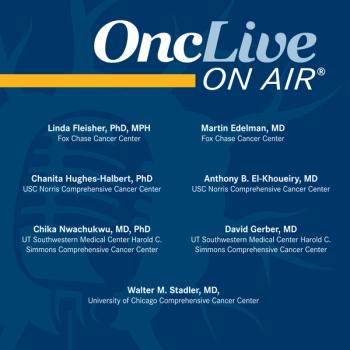
Faculty across 4 institutions discuss their participation in a 4-team initiative launched by Stand Up To Cancer® that focuses on expanding access to cancer care and research.
Sarah Ackroyd, MD, MPH, discusses the rationale and key results from a study of time-related treatment burden in patients receiving treatment for advanced, recurrent endometrial cancer.
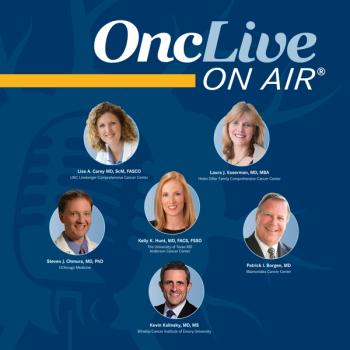
Faculty from the 40th Annual Miami Breast Cancer Conference® feature updates in the treatment of patients across the breast cancer continuum.
Total ablation of all metastases in addition to standard systemic therapy did not improve progression-free survival or overall survival compared with standard systemic therapy alone in patients with oligometastatic breast cancer.

Walter M. Stadler, MD, discusses his role within the Stand Up To Cancer® 4-team initiative, where he will aim to enhance diversity in early-phase clinical trials in underserved urban community.

Andrzej Jakubowiak, MD, PhD, highlighted several key studies that influenced the development and design of the ATLAS trial, introduced conclusions from the initial efficacy data, and discussed how ongoing analysis could further contextualize and inform post-transplant treatment approaches in multiple myeloma.

Andrzej Jakubowiak, MD, PhD, discusses initial efficacy results from the phase 3 ATLAS trial in multiple myeloma.
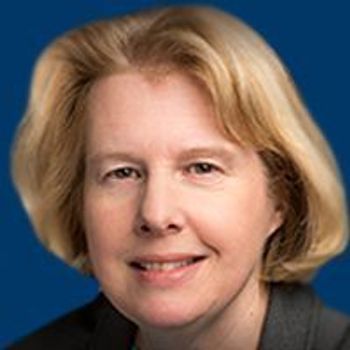
Efforts to target the folate metabolism network have entered a new stage, with the approval of a novel therapy directed at folate receptor–α and the potential for additional agents aimed at that target in solid tumors.

Five-year follow-up data from the phase 3 KEYNOTE-189 trial further confirms the use of first-line pembrolizumab in combination with pemetrexed and platinum improves long-term survival outcomes for patients with treatment-naïve, metastatic, nonsquamous non–small cell lung cancer.

Pembrolizumab plus platinum/pemetrexed continued to demonstrate an overall survival and progression-free survival benefit vs platinum/pemetrexed alone in patients with previously untreated, metastatic squamous non–small cell lung cancer.

Selina M. Luger, MD, FRCPC, Gail J. Roboz, MD, and Wendy Stock, MD, discuss how being female affected their careers and share the scientific achievements they most want to be remembered for in the leukemia field.

Selina M. Luger, MD, FRCPC; Gail J. Roboz, MD; and Wendy Stock, MD, discuss how they turned their leukemia career “lemons” into “lemonade.”

Selina M. Luger, MD, FRCPC; Gail J. Roboz, MD; and Wendy Stock, MD, discuss what motivated them to continue working toward improvements in the leukemia field, even when outcomes were dismal and treatment options were scarce.

Selina M. Luger, MD, FRCPC; Gail J. Roboz, MD; and Wendy Stock, MD, discuss the challenges that accompanied the lack of progress in leukemia treatment when they began their fellowships and express their excitement about encouraging developments that have since emerged in the arena.
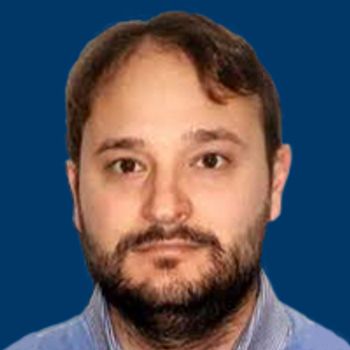
Giuseppe Lo Russo, MD, PhD, highlights the future role of liquid biopsy, the evolution of targeted therapies for KRAS G12C mutations, data to look forward to with EGFR-targeted agents, and the striking effects the COVID-19 pandemic has had on the mortality rates of patients with lung cancer.
Leveraging EGFR TKIs as a backbone for combination therapies will be pivotal for expanding treatment options and delivering more personalized therapies in the first-line setting for patients with non–small cell lung cancer harboring EGFR mutations.