
Thomas F. Gajewski, MD, PhD, discusses how the combination of PD-1 and IDO inhibitors could change the standard of care for patients with melanoma, and highlights other emerging targets on the horizon.
Thomas F. Gajewski, MD, PhD, discusses how the combination of PD-1 and IDO inhibitors could change the standard of care for patients with melanoma, and highlights other emerging targets on the horizon.
Everett Vokes, MD, John E. Ultmann Professor of Medicine and Radiation Oncology, physician-in-chief, University of Chicago Medical Center, chair, Department of Medicine, University of Chicago Medicine, discusses biomarkers for immunotherapy in head and neck cancer.
Jason J. Luke, MD, discusses adjuvant therapy for patients with melanoma, as well as the future of targeted agents and immunotherapy.
Christopher R. Shea, MD, expresses the importance of expanding melanoma knowledge to more specialists as well as the advancements in pathology over the last several years.
Jason J. Luke, MD, assistant professor of Medicine, The University of Chicago Medicine, discusses some of the ongoing adjuvant therapies in development for patients with melanoma. Luke shared this insight during the 2017 OncLive State of the Science Summit on Melanoma and Immuno-Oncology.
Stacie Levine, MD, associate professor of Medicine, director, Geriatrics and Hospice and Palliative Medicine Fellowship Program, University of Chicago Medicine, discusses the benefits of palliative care for patients with non–small cell lung cancer (NSCLC).

Tanguy I. Seiwert, MD, assistant professor of Medicine, University of Chicago Medicine, discusses ongoing clinical trials in the field of head and neck cancer.
Everett Vokes, MD, John E. Ultmann professor of Medicine and Radiation Oncology, physician-in-chief, University of Chicago Medical Center, chair, Department of Medicine, University of Chicago Medicine, discusses different settings of patients with head and neck cancer.

Stacie Levine, MD, associate professor of Medicine, Director, Geriatrics and Hospice and Palliative Medicine Fellowship Program, The University of Chicago Medicine, discusses a trial regarding simulation in the management of EGFR-mutated advanced NSCLC

Tanguy I. Seiwert, MD, assistant professor of Medicine, University of Chicago Medicine, discusses the next steps researchers are taking to improve survival outcomes for patients with head and neck cancer.
Everett Vokes, MD, John E. Ultmann Professor of Medicine and Radiation Oncology, physician-in-chief, University of Chicago Medical Center, chair, Department of Medicine, University of Chicago Medicine, discusses recent progress in the treatment landscape of head and neck cancer.
Everett Vokes, MD, John E. Ultmann Professor of Medicine and Radiation Oncology, physician-in-chief, University of Chicago Medical Center, chair, Department of Medicine, University of Chicago Medicine, discusses the possibility of moving immunotherapy agents into the frontline setting for patients with head and neck cancer.
Jason J. Luke, MD, an assistant professor of Medicine at the University of Chicago Medicine, discusses ongoing studies exploring immunotherapy for the treatment of patients with melanoma.
Everett Vokes, MD, John E. Ultmann Professor of Medicine and Radiation Oncology, physician-in-chief, University of Chicago Medical Center, chair, Department of Medicine, University of Chicago Medicine, discusses how to choose between nivolumab (Opdivo) and pembrolizumab (Keytruda) for second-line treatment for patients with head and neck cancer.
Stefani Spranger, PhD, postdoctoral fellow, Cancer Research Institute at The University of Chicago Medicine, discusses how the presence or absence of CD8 T cells can affect treatment approaches for patients with melanoma.
Tanguy Y. Seiwert, MD, assistant professor of Medicine, University of Chicago Medicine, discusses the current prognosis for patients with head and neck cancer prior to the FDA approvals of immunotherapy agents nivolumab (Opdivo) and pembrolizumab (Keytruda) as treatments.
Jonas de Souza, MD, assistant professor of Medicine, University of Chicago Medicine, discusses some of the upcoming next steps regarding immunotherapy in head and neck cancer.
Jason Luke, MD, an assistant professor of Medicine at the University of Chicago Medicine, discusses some of the challenges that oncologists may face when administering immunotherapy agents to patients with melanoma.

Stefani Spranger, PhD, postdoctoral fellow, Cancer Research Institute at The University of Chicago, discusses immune checkpoint blockade therapies that are currently being used to treat patients with melanoma.
Everett Vokes, MD, John E. Ultmann Professor of Medicine and Radiation Oncology, physician-in-chief, University of Chicago Medical Center, chair, Department of Medicine, University of Chicago Medicine, discusses curative treatment approaches for patients with head and neck cancer.
The concept of using immunotherapies to treat patients with glioblastoma multiforme is gaining ground among researchers who are interested not only in evaluating checkpoint blockade agents that have proved effective in other tumor types but also in exploring novel targets.
Gregory Zagaja, MD, professor of Surgery, director of the Prostate Cancer Center at the University of Chicago Medicine, discusses the benefits of radical prostatectomy for patients with prostate cancer. Zagaja shared this insight during an interview at the 2016 OncLive State of the Science Summit on GU and Prostate Cancer.

Scott Eggener, MD, associate professor of Surgery, Urologic Oncology, at the University of Chicago Medicine, discusses his views on PSA-based screening and how to appropriately use it for patients with early-stage prostate cancer. Eggier shared these thoughts during the 2016 OncLive State of the Science Summit on GU and Prostate Cancer.
Jason Luke, MD, assistant professor of Medicine, The University of Chicago Medicine, discusses the various methods involved in immunotherapy diagnostics in the treatment landscape of melanoma.
Stefani Spranger, PhD, postdoctoral fellow, Cancer Research Institute at The University of Chicago, discusses the basic knowledge all oncologists should have regarding immunotherapy.
Jason Luke, MD, discusses some of the exciting research that is happening across the field of immunotherapy in melanoma, including combination strategies, novel agents, and next-generation diagnostics.
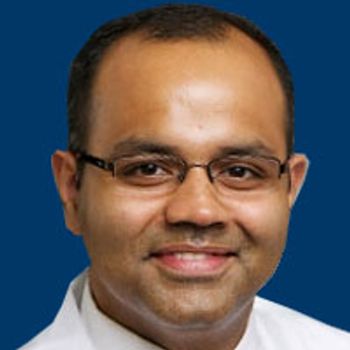
The field of sarcoma may have reached a turning point, according to Kiran K. Turaga, MD.
Jason Luke, MD, Assistant Professor of Medicine, The University of Chicago Medicine, discusses IDO inhibitors in melanoma.
Kiran Turaga, MD, MPH, surgical oncologist, University of Chicago Cancer Center, discusses advancements in the field of sarcoma.
Kiran Turaga, MD, MPH, surgical oncologist, University of Chicago Cancer Center, discuses regional therapies in melanoma.