

Srdan Verstovsek, MD, PhD, discusses ongoing research in myelofibrosis-related anemia.
Srdan Verstovsek, MD, PhD, discusses ongoing research in myelofibrosis-related anemia.

Krina K. Patel, MD, MSc, discusses the integration of CAR T-cell therapy into the treatment paradigm of relapsed/refractory multiple myeloma.

Kanwal Raghav, MBBS, MD, discusses first-line treatment options for patients with colorectal cancer.
The phase 2a MYLOX-1 trial is evaluating GB2064, a novel, oral LOXL2 inhibitor, as a potential anti-fibrotic treatment option for patients with myelofibrosis.

Michael Wang, MD, discusses the use of acalabrutinib in the phase 2 ACE-LY-004 trial in mantle cell lymphoma.
Jennifer K. Litton, MD, discusses the rationale for examining neoadjuvant talazoparib in patients with BRCA1/2-positive, early HER2-negative breast cancer, safety and efficacy results from NEOTALA, and next steps for research.

Krina K. Patel, MD, MSc, discusses future research directions with CAR T-cell therapy in patients with multiple myeloma.
A new era for patients with newly diagnosed Philadelphia chromosomepositive acute lymphoblastic leukemia may be on the horizon as investigative efforts aimed away from chemotherapy-based regimens prove efficacious.

Jennifer Litton, MD, discusses the safety of talazoparib (Talzenna) in the neoadjuvant treatment of patients with germline BRCA1/2-positive, early-stage HER2-negative breast cancer.

Krina K. Patel, MD, MSc, discusses the potential utility of elranatamab in multiple myeloma.

Ferdinandos Skoulidis, MD, PhD, MRCP, discusses the rationale to target TROP-2 in lung cancer.
Acalabrutinib monotherapy continued to be highly active and safe in patients with relapsed/refractory mantle cell lymphoma with longer-term follow-up.

Krina K. Patel, MD, MSc, discusses the use of CAR T-cell therapy in multiple myeloma, potential target antigens beyond BCMA, the rich research landscape, and the role of quadruplets and radiation therapy.

Hans Lee, MD, discusses the evolving treatment paradigm in relapsed/refractory multiple myeloma.
The first participants from the United States have been dosed with LUT014, a novel, topical BRAF inhibitor in a phase 2 trial that is evaluating the agent in patients with metastatic colorectal cancer who have developed dose-limiting acneiform lesions following treatment with an EGFR inhibitor.
Elisabet E. Manasanch, MD, discusses key lessons learned from the phase 3 CASSIOPEIA trial in patients with newly diagnosed multiple myeloma.
Elisabet E. Manasanch, MD, discusses outcomes seen with elranatamab in patients with relapsed or refractory multiple myeloma.
Ferdinandos Skoulidis, MD, PhD, discusses the necessity for targeting and screening patients for KRAS G12C mutations.

The IDH2 inhibitor enasidenib demonstrated promising efficacy in combination with azacitidine and as a single agent in patients with high-risk, IDH2-mutated myelodysplastic syndrome.

Milind Javle, MD, discusses the potential impact of infigratinib on the treatment landscape of FGFR2 fusion–positive cholangiocarcinoma.

Sairah Ahmed, MD, discusses optimizing treatment with axicabtagene ciloleucel in large B-cell lymphoma.
Dr. Jabbour discusses the optimal use of ponatinib in chronic myeloid leukemia and data from the 2021 ASCO Annual Meeting with the combination of blinatumomab and ponatinib in Ph-positive acute lymphoblastic leukemia.

The combination of atezolizumab plus bevacizumab elicited encouraging, durable responses in patients with advanced malignant peritoneal mesothelioma, irrespective of tumor mutational burden and PD-L1 expression status.

Prithviraj Bose, MD, discusses data with pelabresib from the MANIFEST trial and future research directions for BET inhibition in patients with myelofibrosis.
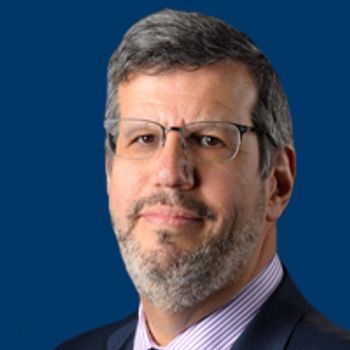
Richard Gorlick, MD, expands on the process of identifying these novel targets in osteosarcoma and the clinical implications of this research for these patients.
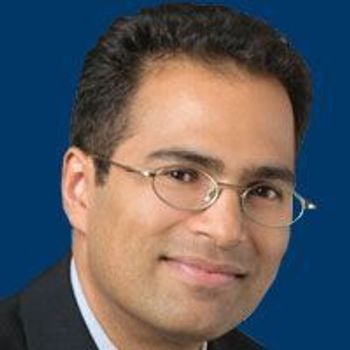
Naveen Pemmaraju, MD, discusses approaches to adequately manage symptoms experienced by patients with myelofibrosis, challenges faced with defining disease progression, and strategies for when to initiate or delay treatment.
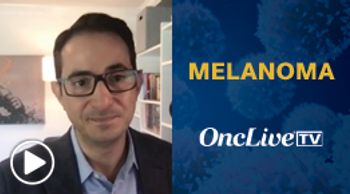
Hussein A. Tawbi, MD, PhD, discusses the safety profile of relatlimab plus nivolumab in advanced melanoma.
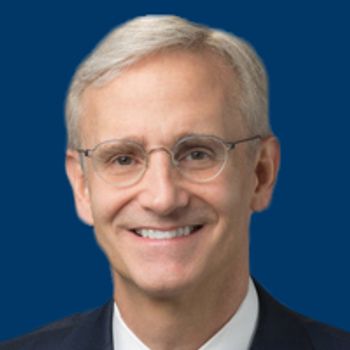
The University of Texas MD Anderson Cancer Center is pursuing several novel approaches, including viro-immunotherapy and genetically engineered natural killer cells to treat patients with glioblastoma, while also conducting tumor analysis to better comprehend the disease.
Srdan Verstovsek, MD, PhD, discusses the efficacy demonstrated with pacritinib in the treatment of patients with myelofibrosis.
Dr. Pant discusses the current role for germline and somatic testing in pancreatic cancer, examines the research landscape with PARP inhibitors, KRAS inhibitors, and other targeted agents, and shares his hope for the future of drug development in the field.