
Up to 40% of patients with diffuse large B-cell lymphoma are refractory to or relapse after first-line treatment.
Up to 40% of patients with diffuse large B-cell lymphoma are refractory to or relapse after first-line treatment.

Srdan Verstovsek, MD, PhD, discusses the future of ALK2 inhibitors in myelofibrosis.
Jason R. Westin, MD, discusses the evolving landscape of CAR T-cell therapy in non-Hodgkin lymphoma.
Srdan Verstovsek, MD, PhD, discusses addressing anemia in patients with myelofibrosis.
Press Release
The University of Texas MD Anderson Cancer Center was awarded more than $10 million in grants to support collaborative research teams working to advance novel interception and treatment strategies that will improve outcomes for several cancer types with the greatest unmet need.
Srdan Verstovsek, MD, PhD, discusses the preliminary results of the MOMENTUM study and the potential for ALK2 inhibitor success in the larger anemia treatment landscape.
Srdan Verstovsek, MD, PhD, discusses the mechanisms of action of momelotinib in myelofibrosis.
Yi Lin, MD, PhD, discusses treatment updates in CAR T-cell therapy in multiple myeloma.
The addition of novel anti–LAG-3 antibody relatlimab-rmbw to antiPD-1 antibody nivolumab offers treatment-naïve patients with unresectable or metastatic melanoma an efficacious and tolerable immunotherapy treatment option.
Hussein A. Tawbi, MD, PhD, discusses the utilization of relatlimab plus nivolumab in unresectable or metastatic melanoma.
David S. Hong, MD, discusses data examining the use of sotorasib (Lumakras) and adagrasib in colorectal cancer.
Tapan M. Kadia, MD, discusses what makes uproleselan unique from other agents under investigation in acute myeloid leukemia and sheds light on the many research efforts dedicated to further exploring its use in this disease.
The combination of the CD40 agonist antibody sotigalimab and pembrolizumab demonstrated a favorable safety profile and led to immunologic changes that correlated with clinical response in patients with unresectable stage III or IV metastatic melanoma.
Scott Kopetz, MD, PhD, FACP, discusses the phase 3 BEACON CRC study and the subsequent efficacy response analysis in patients with BRAF V600E–mutant metastatic colorectal cancer.
The investigational Wee1 inhibitor ZN-c3 was found to be safe and to produce a disease control rate of 90.9% and an objective response rate of 27.3% in patients with advanced or recurrent uterine serous carcinoma.
Durvalumab plus either oleclumab, monalizumab, or damvatirsen led to an improvement in major pathologic response vs durvalumab alone as neoadjuvant therapy in patients with resectable, early-stage non–small cell lung cancer, according to findings from the phase 2 NeoCOAST clinical trial.
The oral ataxia-telangiectasia and Rad3–related protein inhibitor elimusertib produced durable and prolonged responses in patients with advanced solid tumors who have ATM gene alterations and BRCA1/2 defects.
The T-cell attributes of axicabtagene ciloleucel impacted tumor burden, efficacy outcomes, peak levels of proinflammatory cytokines, and toxicities such as neurologic events and cytokine release syndrome in patients with relapsed/refractory large B-cell lymphoma.
The innate cell engager AMF13 combined with preactivated and expanded natural killer (NK) cells induced “very encouraging activity” in patients with heavily pretreated lymphoma.
Dr Tripathy explains the rationale for the TBCRC049 trial, the challenges of investigating a disease that appears in less than 5% of patients with breast cancer, and potential avenues for future investigations.
Srdan Verstovsek, MD, PhD, discusses the efficacy of momelotinib in myelofibrosis.
Tapan M. Kadia, MD, discusses the utilization of uproleselan with chemotherapy in relapsed/refractory acute myeloid leukemia.
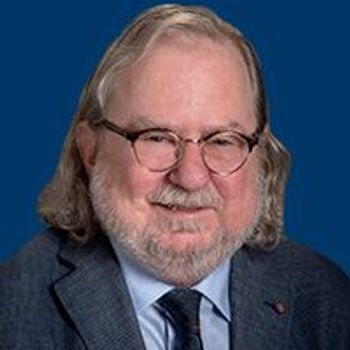
James P. Allison, PhD, a Nobel Laureate and Giants of Cancer Care® award winner, will head up the new James P. Allison Institute at The University of Texas MD Anderson Cancer Center.

Debu Tripathy, MD, discusses the implications of results from the phase 3 NALA trial in patients with HER2-positive metastatic breast cancer with brain metastases.
Hussein A. Tawbi, MD, PhD, discusses the FDA approval of relatlimab plus nivolumab in unresectable or metastatic melanoma.

Clinicians with patients who are experiencing cardiotoxicity as a result of their breast cancer treatment should address the cardiotoxicity using a team-oriented approach based on guideline-directed therapies.
Debu Tripathy, MD, discusses the emergence of genomics research in breast cancer.
Jason R. Westin, MD, director, discusses the utilization of CAR T-cell therapy in relapsed/refractory large B-cell lymphoma.
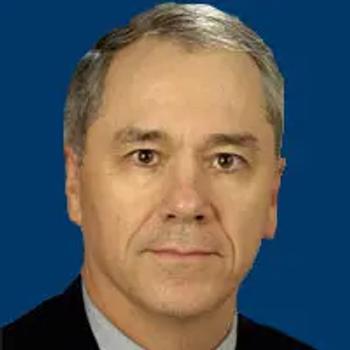
The MEK inhibitor trametinib reduced the risk of disease progression or death by 52% compared with current standard-of-care therapies in patients with relapsed or persistent low-grade serous ovarian carcinoma, making it the potential new SOC for this patient population.
Jan A. Burger, MD, PhD, discusses the current landscape of CAR T-cell therapy in chronic lymphocytic leukemia.